




Diamond
Table of Contents
- Diamond
- What Is a Diamond?
- Diamond Properties
- Diamond Prices
- Diamond Colors
- Blue Diamond
- Red Diamond
- Black Diamond
- Classification of Diamonds
- Benefits of Diamond
- Cleaning and Caring for Diamonds
- How Can You Tell if It's a Diamond?
- How Do Diamonds Form?
- Where Are Diamonds Found?
- Does Diamond Conduct Electricity?
- How Can You Tell a Real Diamond?
- Diamond Products
Diamond Products


20 Adet Çubuk Tütsü ( 1 Paket )


Kan Taşı Elastik Bileklik ( 8 mm )


Lapis Lazuli Taşı Elastik Bileklik


Çakra Taşlarından Bileklik - Elastik


Herkimer Kuvars Taşı Gümüş Kolye - İşlenmemiş Herkimer Dimond


Larimar Taşı Elastik Bileklik ( 8 mm ) - Gümüş Aparat
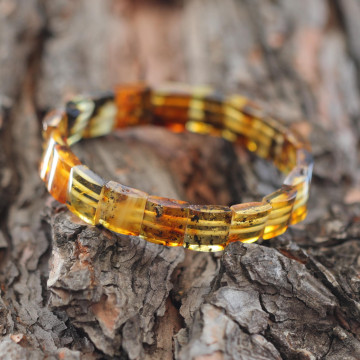

Kare Kesim Baltık Kehribar Bileklik – Doğal Gerçek Kehribar (Elastik) - Fosilli


Selestit Taşı Doğal Taş Elastik Bileklik - 10 mm
Diamond is the purest and most natural form of the crystal structure of carbon, the hardest mineral found in nature. Chemically, it consists of pure carbon (C) and forms over millions of years under high pressure and temperature. Diamond is highly valued for its brilliance, durability and rarity. It is a precious stone most often used in jewelry, but it is also used in industrial applications. The formation of diamonds is generally associated with volcanic activity millions of years ago. Diamonds usually form deep in magma chambers or in the mantle under high pressure and temperature. They are later brought to the surface by volcanic eruptions. However, some diamonds can also form underground through chemical reactions.
Diamonds stand out for their unique optical and physical properties. Their optical properties include brilliance, fire, color and transparency. Physically, their hardness, scratch resistance and conductivity are notable. These qualities make diamond a material used in industrial cutting, grinding, drill bits and precision instruments. Diamonds can be colorless in nature, and in rare cases they occur in various colors. Colored diamonds are natural ornamental stones that are highly sought after and valued in jewelry because of their rarity and uniqueness.
However, diamonds do not form only naturally. They can also be synthesized in laboratory conditions. Synthetic diamonds have the same physical and chemical properties as natural diamonds, but the production process can be controlled and the cost is lower.

Diamond
Diamond is one of nature's most valuable and rare stones, and it carries both physical and symbolic meanings. Formed by the crystallization of the element carbon, diamond is known as the hardest natural substance on Earth. This hardness makes diamond unmatched in the jewelry world, and factors such as cut and brilliance raise its value. Diamonds usually come in white, yellow, pink and blue, but rare colors such as green and red carry even higher values. The size and cut shape of a diamond are also important factors that affect its value.
For centuries, diamond has been more than an ornament, and it carries cultural and spiritual meanings. Regarded as a symbol of wealth and power, diamond has been a favorite of kings and nobles throughout history. In many cultures, diamonds symbolize eternity, immortality and strength. In modern times, it is one of the most valuable gems and is especially preferred for engagement rings. The loyalty and love that diamond stands for make it an essential part of special occasions. The formation of diamonds in nature is a process that takes millions of years. Deep in the Earth's crust, under high temperature and pressure, carbon atoms are compressed into diamond crystals. Over time, these crystals reach the surface through volcanic eruptions. Finding and processing diamonds is a laborious process. A good diamond is known for its excellent cut, high quality and clarity, and these are the main factors in determining its value. Diamonds obtained by both natural and synthetic methods are also used in the technology industry today, where their durability is a major advantage for cutting tools, lasers and other precision instruments.
What Is a Diamond?
Diamond is a mineral known as the hardest natural substance found in nature, and it is generally considered one of the most valuable stones in the jewelry world. Chemically it consists of carbon atoms, and its crystal structure gives it unmatched hardness and brilliance. This hardness earns diamond a "10," the highest value on the Mohs hardness scale. In other words, no other natural substance can scratch a diamond. The carbon atoms in its crystal structure are held together by strong bonds, which gives diamond its durability.
Diamonds form deep in the Earth's crust under high temperature and pressure. Under these conditions, carbon atoms are compressed and crystallize, creating the diamond's characteristic bright structure. Diamonds generally reach the surface through volcanic eruptions. These eruptions carry diamonds up to the surface along with a rock called kimberlite from deep within the Earth. The value of a diamond is generally determined by four main factors: color, cut, clarity and carat (weight). Natural diamonds can be found in different colors such as white, yellow, blue and green. Color varies depending on the traces and elements inside the diamond. The most valuable diamonds are those with pure, intense colors. A diamond's ability to reflect light is also directly related to the quality of its cut. Cut is one of the most important factors affecting a diamond's brilliance. In conclusion, diamond is important not only physically but also symbolically, and it is regarded as a symbol of wealth, power and immortality.
Diamond Properties
Its most distinctive property is that it scores 10 on the Mohs hardness scale, making it the hardest natural substance in the world. The way diamonds interact with light is another feature that sets them apart from other stones. Diamond reflects light perfectly and shows the multicolored flashes known as "fire." The crystal structure inside a diamond bends and reflects light, which gives it a unique brilliance. This quality is especially important in jewelry. The high brilliance of diamonds makes them valuable and attractive. Although diamonds are transparent or white, they can also be found in other colors. Yellow, blue, pink, green and brown are rare diamond varieties, and these colors can increase a diamond's value. A diamond's color varies depending on the traces and chemical composition inside it. Diamonds also draw attention with their cut shapes. A good cut increases a diamond's brilliance, and cut quality directly affects its value.
Diamond is one of the most valuable and most special gemstones on Earth.
Hardness: Diamond is the hardest substance found in nature. It rates 10 on the Mohs hardness scale. This makes it much harder than most other minerals, and most substances cannot scratch it.
Brilliance and Fire: Diamond has remarkable brilliance and fire. Brilliance comes from the reflection and refraction of light off the diamond's surface. This gives the diamond its own distinctive sparkle and turns focused light into points that glitter in many colors.
Color: Diamonds are usually colorless or clear, although naturally colored diamonds are occasionally found in nature. These colors can come in shades such as blue, pink, yellow and green, and they are highly valuable because of their rarity.
Transparency: Pure diamonds are highly transparent and absorb almost no light. This increases the diamond's brilliance and gives it sharpness and clarity.
Durability: Diamonds are extremely durable. Their high hardness and crystal structure let them withstand long-term use. This is one of the main reasons they are used in jewelry and industrial applications.
Diamond Products
Available as Natural and Synthetic: Diamonds form naturally underground, but they can also be synthesized in laboratory conditions. Synthetic diamonds have the same physical and chemical properties as natural diamonds, but they can be produced at a lower cost.
These properties set diamonds apart from other gemstones and make them valuable. Thanks to both their beauty and their durability, diamonds have fascinated people for thousands of years and have become valued symbols.
Diamond Prices
Diamond prices can vary depending on many factors, and several criteria determine the value of these stones. One of the most basic factors is the carat weight of the diamond. Carat measures a diamond's size and weight, and larger stones are generally more expensive. However, carat is not the only factor. The diamond's other qualities also affect its price. Cut, color and clarity, known together with carat as the "4Cs," play an important role in determining a diamond's value.
Cut shows how well the diamond has been worked and determines how well it reflects light. A good cut increases the diamond's brilliance and raises its value. Color refers to how colorless the diamond is. Completely colorless diamonds are the most valuable and are graded "D" (colorless). Diamonds can have yellow or brown tones, but rarer colors such as blue, pink or green are much more expensive. Clarity refers to how few natural marks (inclusions) and surface flaws the diamond has. Diamonds with fewer flaws are more valuable. The diamond's source can also affect its price. For example, rare blue diamonds or historically significant stones (such as the Hope Diamond) can sell for much higher prices. Origin is also an important factor, and diamonds mined in countries such as South Africa, Russia, Canada and Australia can fall into different price ranges. Diamond prices vary widely depending on the combination of these four basic factors and on market demand. High-quality, rare diamonds are generally sold at very high prices, while more common, lower-quality diamonds can be bought at more affordable prices.
Diamond Colors
Diamonds hold great value in the jewelry world because of their colors. Although they are generally known as transparent or white, diamonds can be found in a variety of colors. A diamond's color generally varies depending on the traces inside it, its chemical composition and the way it interacts with light. Diamond colors are generally classified on a scale set by the GIA (Gemological Institute of America), which consists of a series of letters from D to Z. The letter "D" describes completely colorless and most valuable diamonds, while "Z" refers to those with yellowish or brownish tones.
White diamonds are mostly transparent and create a bright effect by reflecting light perfectly. However, some diamonds can be colored from birth. Colors such as blue, green, pink, purple, yellow and brown are among the rarer and more valuable types of diamonds. Blue diamonds get their color from the element boron they contain, while pink diamonds are mined especially in regions such as Japan and Australia, and their color comes from molecular irregularities in the crystal structure. A diamond's color affects not only its rarity and aesthetic value but also its price. The most valuable and expensive diamonds are generally those with deep, intense colors such as blue and pink. On the other hand, yellow diamonds are also quite popular and are generally known as "Canary" diamonds. When combined with high purity and a good cut, these diamonds show exceptional brilliance and beauty. A diamond's color is also enhanced by its cut shape and the way it interacts with light, so colored diamonds create great aesthetic appeal in jewelry.
Blue Diamond
The blue diamond is one of nature's rarest and most valuable stones. This special type of diamond gets its blue color from the presence of boron atoms inside it. Most diamonds, which form through the crystallization of carbon atoms, are colorless, but blue diamonds gain their blue tone from rare mineral components. The best-known qualities of the blue diamond are its natural beauty and its extraordinary value. Blue diamonds form very deep in the Earth's crust under high pressure and temperature, which makes them a treasure that is very hard to find.
Blue diamonds gain great value depending on factors such as clarity, color intensity and cut. The most valuable blue diamonds are those with deep blue colors. The cut of the diamond is another factor that affects its brilliance and value. Blue diamonds are generally found in sizes ranging from 5 to 10 carats, but blue diamonds of 50 carats and above are very rare and can sell for record prices. One of the world's most famous blue diamonds is known as the "Hope Diamond." This diamond weighs 45.52 carats and has been the subject of many legends throughout its history. The rarity and history of blue diamonds are what make them stand out in the jewelry world. Blue diamonds also carry cultural and spiritual meanings, not only visual ones. Their color symbolizes peace, loyalty and faithfulness, so they are often used in special jewelry. Today, blue diamonds are still considered a very valuable and popular gem, and a symbol of wealth and prestige.
Red Diamond
The red diamond is one of nature's rarest and most valuable diamond varieties. This extraordinary stone gets its red color from a special structural distortion in the diamond crystal and the way it interacts with light. Other diamonds generally form when carbon atoms line up in an orderly way, but in red diamonds, some irregularities between atoms along the path of the light create this unique color. Like blue diamonds, red diamonds are very scarce in the world, which makes them priceless.
Red diamonds are so rare that they may appear in only one out of 100,000 diamonds. For this reason, very few examples are available on the market, and they are generally part of the collections of major jewelry houses. Their colors can range from dark red to lighter reddish tones. The size, color and clarity of the diamond are the main factors that determine its value. However, measuring the quality of red diamonds is more complex than for other diamonds because the range of color tones is quite wide. The history of red diamonds is also quite interesting. One of the most famous red diamonds, the "Muzo" diamond, weighs 5.03 carats and was sold at a record price at a major jewelry auction in 2009. Red diamonds are much more expensive than other diamonds and are often used in prestigious jewelry. They carry great value both aesthetically and symbolically, and red is regarded as a symbol of passion, love and courage. For this reason, red diamonds hold great spiritual importance not only for their beauty but also for the meanings they carry.
Black Diamond
The black diamond is a type of stone that stands out in the jewelry world and carries many different meanings. Unlike other diamonds, black diamonds are generally black or dark gray because of the carbonaceous mineral inclusions (internal flaws) and microscopic structures they contain. Because this limits the diamond's ability to transmit and reflect light, black diamonds do not create the bright, sparkling effect of other diamonds. Instead, they have a matte, opaque look, which gives them a distinctive and sophisticated air.
Diamond Products
One of the biggest features of black diamonds is their rarity. Most black diamonds found in nature do not form by natural processes alone. Some black diamonds contain "nearly opaque" carbonaceous mineral compounds that absorb light, while others are diamonds that have been chemically treated or exposed to radiation. These are considered quite valuable and intriguing in the jewelry world. Black diamonds are generally smaller, often between 1 and 5 carats, but black diamonds of 10 carats and above are also very valuable. Many different cultures throughout history have given black diamonds a special place. They are regarded as symbols of power, prestige and mystery. According to some beliefs, black diamonds protect against bad energies and bring their owner happiness and luck. Today, black diamonds are generally chosen as a prestigious option for engagement rings, necklaces and bracelets. Aesthetically, these diamonds have a simple and elegant look, and they are used in both modern and classic jewelry, gaining further meaning from the deep symbolism they carry.
Classification of Diamonds
The classification of diamonds rests on many different factors, and several criteria are used to determine a stone's qualities.
Diamonds can form naturally underground or be synthesized in a laboratory. Natural diamonds are those that formed through a natural geological process, while synthetic diamonds are produced in laboratories. Diamonds can be colorless, and in rare cases they can also occur in natural colors. Colored diamonds fall into two groups: natural colored diamonds and treated diamonds. Natural colored diamonds are diamonds in rare natural colors, and they are usually highly valued. Treated diamonds are diamonds whose color has been altered by human intervention.
4 main characteristics are taken into account when identifying diamonds: carat, cut, color, and clarity.
Diamonds can also be classified by clarity level, according to the flaws inside them. Clear diamonds, which have no visible flaws inside, are the most valuable. Diamonds with internal flaws are valued lower. Diamonds come in different cutting styles and shapes. The round cut is the most common, but other styles exist too, such as the princess cut, emerald cut, and cushion cut. The size of a diamond is measured in carats. One carat equals 0.2 grams. Diamonds are classified by carat weight, and their value generally rises as their size increases. Diamonds can also be classified by the region or country where they are found. Diamonds from some regions can be rarer or of higher quality than others.
These classifications play an important role in the diamond trade and provide information about a diamond's quality, rarity, and value. People working in the related industries and jewelry experts classify and price diamonds by assessing these various characteristics.
Benefits of Diamond
Diamond has fascinated people for centuries, not only for its sparkle and rarity, but also for the healing and metaphysical properties it is believed to hold.
Physical Benefits:
- Diamond is believed to support the immune system and the body's natural resilience.
- Diamond is believed to have a calming effect that may ease stress and worry.
- Diamond is believed to support a steadier sleep routine and better sleep quality.
- Diamond is believed to help ease tiredness and lift energy levels.
- Diamond is traditionally associated with balanced circulation and cardiovascular well-being.
Emotional and Mental Benefits:
- Diamond is believed to help increase a sense of courage and self-confidence.
- Diamond is believed to help increase mental clarity and concentration.
- Diamond is believed to help boost creativity and inspiration.
- Diamond is believed to help balance emotional ups and downs and bring a sense of calm.
- Diamond is believed to help strengthen love and commitment and make relationships more solid.
Spiritual Benefits:
- Diamond is believed to help encourage spiritual wisdom and enlightenment.
- Diamond is believed to help clear negative energy and blockages in the aura.
- Diamond is believed to help form a protective shield against negative influences.
- Diamond is believed to support spiritual growth and development.
Cleaning and Caring for Diamonds
Diamonds are durable and long-lasting by nature, but they still need regular care and cleaning. If you do not wear your diamond jewelry every day, store it in a jewelry box. This protects it from dust, dirt, and other harmful substances. Also, apply cosmetics such as perfume, lotion, or cream before you put on your diamond jewelry, because these products can stay on the diamond and reduce its shine. To clean diamonds, you can use a soft brush (for example, a baby toothbrush) and warm soapy water. Brush lightly and gently clean the whole surface of the diamond. Then rinse the diamond with clean water and dry it with a soft cloth.
Never use abrasive cleaners or chemicals when cleaning diamonds. Such substances can damage the diamond's shine and color, or harm other gemstones in the jewelry. Take your diamond jewelry to a professional jeweler at least once a year to be checked and cleaned. Experts can spot any damage to the piece and repair it if needed. When storing your diamond jewelry, keep each piece separately in its own pouch or box. Also make sure your pieces do not touch each other, because this can cause scratches. When you wear diamond jewelry during daily activities, take care to protect it from scratches and knocks. It is a good idea to take your jewelry off, especially when exercising or doing heavy work. With regular care, you can keep your diamond jewelry shiny and beautiful for many years. Careful maintenance protects the value and durability of your diamond jewelry and keeps it looking beautiful and sparkling at all times.
How Can You Tell if It's a Diamond?
Diamond Products


Diamond is a precious stone often used in jewelry, but telling a real diamond from a fake one can sometimes be hard. Still, a few simple tests and some characteristics to watch for make it possible to recognize a real diamond. First, a diamond is extremely hard. As the hardest known natural substance on Earth, diamond scores 10 on the Mohs hardness scale. This means that other stones cannot scratch a diamond. If a stone can be scratched by another hard material, it is most likely not a diamond.
Another distinctive feature is how a diamond reflects light. A diamond shows multiple color reflections, which are called "fire." The surface of a diamond refracts light and produces flashes of light in various colors. This varies with the quality of the cut and the clarity, but the light that natural diamonds give off is far more striking and brilliant than that of other stones. Fake stones usually give off a more matte, dull light.
Another common test looks at a diamond's thermal conductivity. Diamond is an excellent conductor of heat, whereas stones that usually stay at a low temperature have a hard time warming up. A real diamond feels cold right away when it touches the skin, because it conducts heat away quickly. A certificate for the diamond can also serve as a guarantee that it is an original and valuable stone. Diamonds can also be verified through detailed tests, usually carried out by gemology experts. The weight of a diamond is another important indicator. A real diamond feels much heavier than a glass or cubic zirconia stone of the same size. This relates to the density of diamond and is one of its natural characteristics. All of these tests can help you tell a real diamond from its imitations.
How Do Diamonds Form?
Diamond forms deep in the Earth's crust through a process that takes millions of years. A diamond forms when carbon atoms crystallize under high temperature and pressure. At depths of roughly 140 to 190 kilometers, under high temperatures (roughly 1,300°C to 1,600°C) and extraordinary pressures (roughly 4.5 GPa to 6 GPa), carbon atoms are squeezed together and form diamond crystals. These conditions are the main reason diamond is the hardest substance on Earth. Over time, these crystals move toward the surface by natural routes.
Diamonds mostly reach the surface through volcanic eruptions. These eruptions throw out diamonds along with volcanic rocks called "kimberlite," which carry the diamond crystals formed deep in the crust up to the surface through magma. Kimberlite is the best-known type of rock that carries diamonds and brings them to the surface. The fact that diamonds are brought up by these volcanic eruptions plays an important role in locating diamond mines. The formation of a diamond takes a very long time. The crystallization of carbon atoms and the development of diamond's hard structure can sometimes take hundreds of millions of years. For this reason, diamonds are naturally formed, very rare, and valuable stones. Each diamond is unique because of the different geological processes behind it, which makes diamonds special and valuable. To understand how rare and valuable diamonds are in nature, we need to consider their extraordinarily long and complex formation process.
Where Are Diamonds Found?
Diamonds form under specific geological conditions and are found in places where those conditions were met. Diamonds form deep in the Earth's crust under high temperature and pressure. These conditions are usually found at depths of 140 to 190 kilometers, in the lower layers of the crust. At these depths, diamonds form as carbon atoms crystallize, and over time they reach the surface through volcanic eruptions. For this reason, diamonds are concentrated in specific places, especially in regions with old volcanic rocks.
The places where diamonds are found most are in countries on the African continent. South Africa, Botswana, Namibia, and Angola in particular are among the world leaders in diamond production. The "Kimberley Mine" in South Africa and the "Jwaneng Mine" in Botswana are some of the richest diamond deposits in the world. Russia is also an important diamond producer. The world's largest diamond deposits are in the Yakutia region of Siberia. Russia is also one of the leading countries in diamond production.
Canada is another important region that has drawn attention in diamond production in recent years. Since the early 1990s, Canada's diamond mines have gained an important place in the world diamond market. Australia also plays an important role in diamond production, and the natural pink diamonds of the "Argyle" mine in particular have become famous worldwide. Diamonds are also taken from underground mines in all of these regions and offered to the world for use as jewelry after various processing techniques. The extraction and processing of these rare stones carries great economic and cultural importance.
Does Diamond Conduct Electricity?
Thanks to its chemical composition and crystal structure, diamond shows an interesting physical property: electrical conductivity. Natural diamonds have a crystal structure in which carbon atoms are arranged in an orderly way, so they generally do not conduct electricity. In other words, pure diamonds do not carry electric current. For this reason, diamond is generally regarded as an insulator. This electrical property makes diamond unsuitable for many electrical applications.
However, the electrical conductivity of diamond can be changed through certain treatments. The carbon atoms in the crystal structure of diamond can be doped with certain elements (for example, boron), which gives the diamond electrical conductivity. Such diamonds are known as "boron-doped diamonds" and show electrical conductivity under certain conditions. Boron-doped diamonds can be used as a material with semiconductor properties. They are used especially in high-performance electronics and optoelectronic devices, in radio frequencies, and in applications that must withstand high temperatures. Together with its many other special properties, diamond's lack of electrical conductivity makes it very useful, especially in industrial fields. For example, thanks to its high hardness and thermal conductivity, diamond is used in cooling and abrasion applications in microelectronic devices. Its lack of electrical conductivity also makes diamond ideal for use as an insulating material. As boron-doped diamonds and other types gain electrical conductivity through new technologies, they are finding a wider range of applications.
How Can You Tell a Real Diamond?
A real diamond is in high demand in the jewelry world as a precious stone, but telling it apart from fake diamonds can sometimes be hard. Several important characteristics and tests can be used to recognize a real diamond. First, hardness is the most distinctive feature of a real diamond. Diamond is known as the hardest natural substance, with a score of 10 on the Mohs hardness scale, so no other substance can scratch a real diamond. As a simple test, you can try to scratch the stone with a hard material such as metal or glass. If the stone does not scratch, it is most likely a real diamond.
Another method is to examine how the diamond reflects light. Real diamonds refract light superbly and show a very bright "fire." In other words, light is reflected from the surface of the diamond as multiple colors. Fake stones usually look more matte and do not reflect light as effectively. How a real diamond interacts with light also depends on the quality of its cut, so diamonds with a clean, symmetrical cut are brighter. Another test concerns the thermal conductivity of the diamond. Diamond is an excellent conductor of heat, whereas other stones conduct heat more slowly. A real diamond feels cold right away when it touches the skin. A certificate for the diamond is also a good way to confirm the authenticity of the stone. Tests by a professional gemologist can also establish with certainty whether a diamond is real. The weight of a diamond is another important indicator. A real diamond feels heavier than a glass or zircon stone of the same size. All of these factors can help you identify a real diamond.
Table of Contents
- Diamond
- What Is a Diamond?
- Diamond Properties
- Diamond Prices
- Diamond Colors
- Blue Diamond
- Red Diamond
- Black Diamond
- Classification of Diamonds
- Benefits of Diamond
- Cleaning and Caring for Diamonds
- How Can You Tell if It's a Diamond?
- How Do Diamonds Form?
- Where Are Diamonds Found?
- Does Diamond Conduct Electricity?
- How Can You Tell a Real Diamond?
- Diamond Products