The Art of Prayer Beads
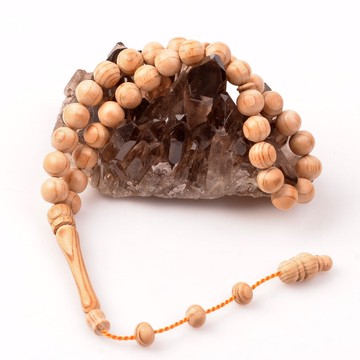
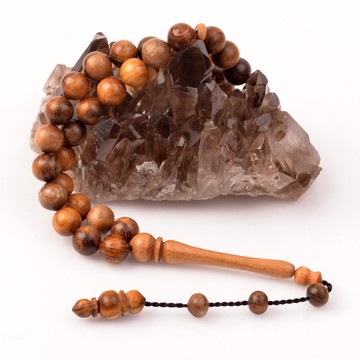
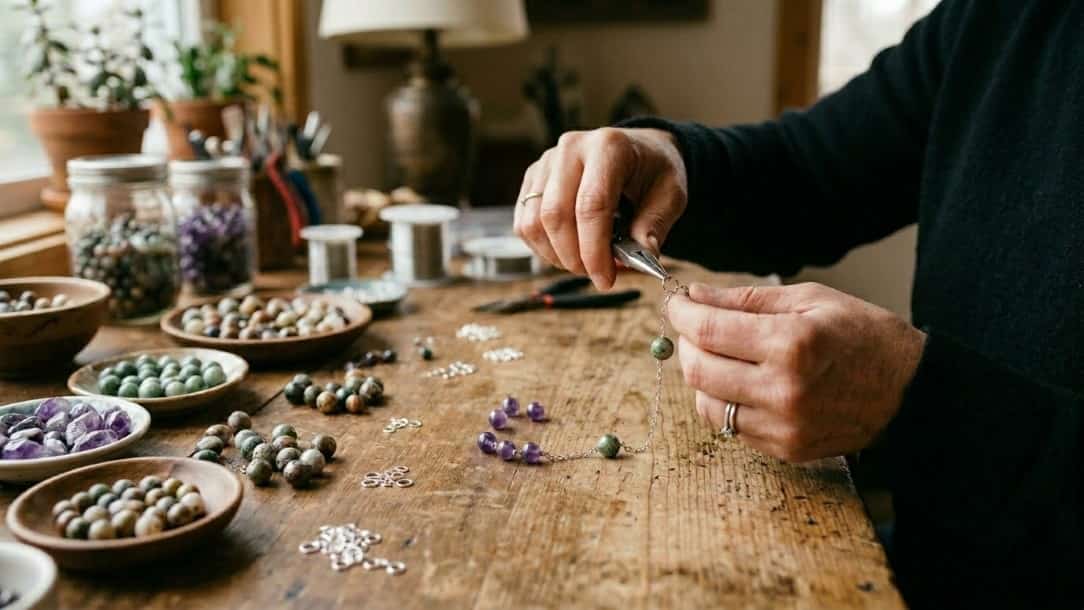
The art of prayer beads (tasbih) is regarded as a special handcrafted field that has developed over centuries in both its spiritual and its aesthetic sides. It is seen not only as a craft but also as a carrier of cultural heritage. Patience, attention, and fine workmanship lie at its foundation, because each bead is shaped, drilled, sanded, and brought together with the others in a certain harmony one by one. The materials used set the character of the prayer beads directly. Natural stones, wood types, amber, and similar materials each have a different texture and a different level of difficulty to work. Some natural stones are believed to carry energetic properties, so prayer beads are considered not only a visual object but also a spiritual tool. Masters bring not just technical skill to each set but also an aesthetic eye, because details such as the order of the beads, the balance of weight, the feel as they glide through the hand, and the harmony of their sound decide the quality of the product. For this reason, no two prayer beads are the same, and each carries its own identity. The imame (the lead bead), the tassel, and the overall design details are also considered part of the art of ornamentation, and they add to the visual value of the piece. Over time the art has developed with different interpretations in different regions, but its basic logic has not changed. Prayer beads made with traditional methods still keep their importance today, both for collecting and for use.
Turkish Prayer Bead Art
Turkish prayer bead art is regarded as a traditional handicraft that developed as an important part of Anatolian culture and has reached the present day from the Ottoman period. At its origin are both the influence of religious life and a tradition of skilled handwork. Over time it moved beyond producing a tool of worship and became an aesthetic and cultural value. In this tradition, kuka, Oltu stone, amber, ivory, and various natural stones have been widely used, and each material is known to have its own working process. Natural stone prayer beads in particular are believed to carry certain properties. This belief gives the prayer beads a spiritual meaning and also creates collector value. Within Turkish prayer bead art, masters do not only make beads. They also plan the harmony of each piece, its feel in the hand, its sound balance, and its weight distribution with care, because the quality of prayer beads is judged not only by their look but also by the sensation they give in use. This art, inherited from the Ottomans, led over time to different schools of mastery, and each master developed a personal style and added a different interpretation to prayer bead making. Some masters leaned toward finer workmanship and elegant designs, while others preferred to make heavier models with more character. This variety enriched Turkish prayer bead art and gave each set its own identity. The tradition continues today and draws great interest in both daily use and collecting, and thanks to this interest Turkish prayer bead art is kept alive as a cultural heritage.
What Is the Art of Prayer Beads?
The art of prayer beads is regarded as a traditional field of handcraft in which natural or processed materials are brought together in a certain order and turned into an aesthetic form. It is seen not only as a technical production process but also as a form of expression that carries cultural, historical, and spiritual meanings. Intense patience and attention lie at its foundation, because each bead is chosen, shaped, and drilled one by one, and then goes through a long process of craftsmanship before it joins the whole set. The materials used are quite varied, and natural stones, wood types, amber, and other organic materials are among the most preferred. There are beliefs that natural stones in particular carry certain properties, and these stones are thought to have an effect in areas such as energy, balance, or focus. For this reason prayer beads are seen not only as a visual object but also as a spiritual tool. During production, masters adjust the size, weight, and surface smoothness of each bead with great care, because the feel of the beads in the hand and the comfort of use depend on these details. The harmony and rhythm in the order of the beads also matter greatly from an aesthetic point of view. That is why the art of prayer beads stands out as a special field that needs both technical knowledge and an artistic eye. Over time it developed with different interpretations in different cultures, but its basic logic has not changed, and prayer beads made with traditional methods still keep their importance today, both for daily use and for collector value.
Ottoman Prayer Bead Art
Ottoman prayer bead art is regarded as a special branch of craft that developed under the influence of palace culture and took shape around an approach that demanded very fine workmanship. In this period, making prayer beads was no longer just an activity for daily use. It also became a sign of a high aesthetic sense and artistic taste. Gold, silver, amber, ivory, and rare precious stones were often preferred, and each material required different working techniques. This forced the masters to develop both technical knowledge and great manual skill. In the Ottoman period, prayer beads were also seen as a symbol of social status and elegance, and the special designs used around the palace were made with more showy and detailed craftsmanship. Each piece was considered not just an accessory but a work of art that reflected the aesthetic sense and cultural structure of its time. For this reason, details such as the symmetry of the beads, the surface work, the balance of weight, and the feel in the hand mattered greatly during production. The belief that some natural stones carry spiritual properties also gave prayer beads an extra meaning in this period, and these beliefs raised the value of the pieces further. Ottoman prayer bead masters generally trained through an apprenticeship that lasted many years, and each developed a personal style and formed different schools. Thanks to this variety, Ottoman prayer bead art gained a rich structure and became a strong heritage whose influence continues to the present day.
The Art of Crafting Prayer Beads
The art of crafting prayer beads refers to the process of taking raw material and turning it into beads with special techniques. This process requires close attention and experience.
Because the structure of each material is different, the working techniques vary as well. When natural stones in particular are worked, great care is taken against the risk of breaking or cracking. For this reason, mastery is the most important part of the process.