A chakra is one of the seven main energy centers said to exist in the human body, carrying life energy (prana). The word chakra means "wheel" in Sanskrit, and chakras are pictured as spinning rings of light. They are believed to influence physical, mental, emotional and spiritual well-being, and each is traditionally associated with a specific color, symbol, element, sound, organ, emotion and quality. Chakras working in harmony and balance are said to help a person reach self-realization and happiness. Blocked or disturbed chakras are said to be linked to problems such as illness, stress, fear, depression or dependency. There are various ways to cleanse, open and balance the chakras, such as meditation, yoga, reiki, breathing exercises, crystals, music, aromatherapy or color therapy.
Chakra
Chakra is a word of Sanskrit origin meaning "wheel" or "rotation," and it represents the energy centers in our body. Chakras are energy centers located at specific points of the body, and each is said to govern certain physical, emotional and spiritual functions. There are seven main chakras, arranged along the spine from top to bottom: the Root Chakra (Muladhara), the Sacral Chakra (Svadhisthana), the Solar Plexus Chakra (Manipura), the Heart Chakra (Anahata), the Throat Chakra (Vishuddha), the Third Eye Chakra (Ajna) and the Crown Chakra (Sahasrara). Each chakra is associated with a particular region of the body and is traditionally thought to be connected with our physical well-being. Each chakra is also associated with a specific color, element, sound and emotional state.
Balanced chakras are said to let energy flow smoothly and to support harmony between body, mind and spirit. Blocked or unbalanced chakras are believed to create various physical discomforts, emotional distress or spiritual obstacles. For example, the root chakra is linked with our sense of trust and security, while the throat chakra is said to govern our ability to communicate and express ourselves. The heart chakra is associated with love, compassion and empathy, whereas the crown chakra symbolizes our subconscious connections and our union with universal consciousness. Chakras are considered not only an individual's own energy but also connected to a universal energy. For this reason, balancing the chakras is regarded as an important way to find inner peace and to live in harmony with life.
There are various practices for keeping the chakras in balance. Methods such as meditation, breathing techniques, yoga and energy therapies are traditionally used to open, cleanse and balance them. These practices are also said to bring spiritual calm and inner balance.
What Is a Chakra?
What is a chakra? What does chakra mean? Chakra is a Sanskrit word meaning "wheel." According to Indian philosophy, the chakra system describes the energy centers of the human body, and there are seven main chakras in our body. These chakras are said to correspond to nerve points in the physical body, and each is associated with a particular organ or gland. Each chakra also represents certain emotional and mental qualities. The chakra system is regarded as an energy system rooted in Eastern philosophies such as Hinduism and Buddhism. In this system, each of the seven main chakras is associated with a different color, element, emotion and vibration. Keeping these chakras balanced and active is considered very important for our physical, emotional and mental well-being.
The names, locations, colors, elements, sounds and qualities of the chakras are as follows:
- Root Chakra (Muladhara): Located at the base of the body, between the tailbone and the genitals. It is red, and its element is earth. Its seed sound is "Lam." It is associated with survival, security, stability, physical needs, the material world and roots. When open, a person is said to feel safe, solid, connected and supported. When closed, a person is said to feel fear, anxiety, insecurity, deprivation, dependency or loneliness.
- Sacral Chakra (Svadhisthana): Located two finger-widths below the navel, between the spine and the abdomen. It is orange, and its element is water. Its seed sound is "Vam." It is associated with sexuality, creativity, emotions, relationships, pleasure, flow and change. When open, a person is said to feel passionate, creative, sensitive, flexible and adaptable. When closed, a person is said to feel guilty, ashamed, repressed, disconnected, rigid or insensitive.
- Solar Plexus Chakra (Manipura): Located two finger-widths above the navel, between the spine and the abdomen. It is yellow, and its element is fire. Its seed sound is "Ram." It is associated with personality, will, power, self-confidence, self-respect, control, decision-making and purpose. When open, a person is said to feel strong, brave, decisive, free, autonomous and successful. When closed, a person is said to feel weak, fearful, indecisive, dependent, passive or worthless.
- Heart Chakra (Anahata): Located in the middle of the chest, just above the heart. It is green, and its element is air. Its seed sound is "Yam." It is associated with love, compassion, mercy, forgiveness, acceptance, harmony, peace and healing. When open, a person is said to feel loving, caring, merciful, forgiving, accepting, harmonious, peaceful and healed. When closed, a person is said to feel unloved, harsh, merciless, jealous, judgmental, out of harmony, restless or wounded.
- Throat Chakra (Vishuddha): Located in the throat area, just above the larynx. It is blue, and its element is ether. Its seed sound is "Ham." It is associated with communication, expression, creativity, truth, honesty, wisdom and freedom. When open, a person is said to be able to express themselves, communicate, be creative, speak the truth, be honest, be wise and feel free. When closed, a person is said to be unable to express themselves, communicate or be creative, and to lie, be false, act foolishly or feel suppressed.
- Third Eye Chakra (Ajna): Located in the middle of the forehead, between the eyebrows. It is purple or indigo, and its element is light. Its seed sound is "Om." It is associated with the mind, intuition, perception, imagination, vision, consciousness, understanding and enlightenment. When open, a person is said to feel intelligent, intuitive, perceptive, imaginative, visionary, conscious, understanding and enlightened. When closed, a person is said to feel foolish, illogical, blind, lacking in imagination, without vision, unaware, uncomprehending or in the dark.
- Crown Chakra (Sahasrara): Located at the top of the head, at the highest point of the skull. It is white or gold, and its element is spirit. It has no seed sound. It is associated with the spirit, the universe, the divine, the source, oneness, wholeness, infinity and nirvana. When open, a person is said to feel spiritual, universal, divine, connected to the source, one, whole, infinite and in nirvana. When closed, a person is said to feel soulless, lonely, separate, fragmented, limited or in anguish.
Chakras are considered important energy centers that are believed to influence a person's physical and spiritual well-being. Chakras working in harmony and balance are said to contribute to feeling good, happy and fulfilled. Blocked or disturbed chakras are said to leave a person feeling bad, unhappy and incomplete. There are various ways to cleanse, open and balance the chakras, such as meditation, yoga, reiki, breathing exercises, crystals, music, aromatherapy or color therapy. Knowing, understanding and working with the chakras is said to help a person know, develop and realize themselves.
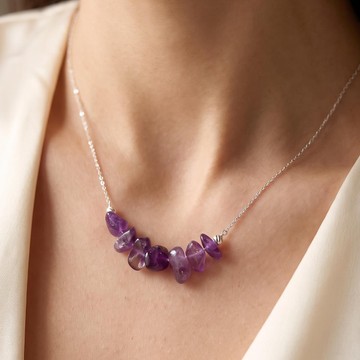
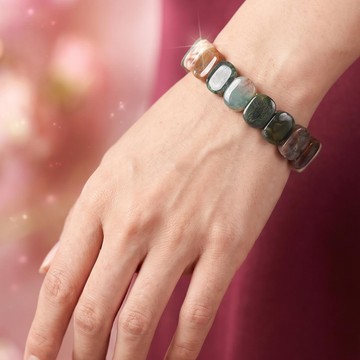
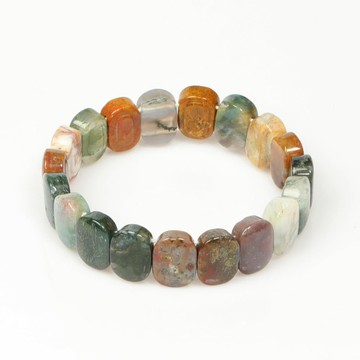
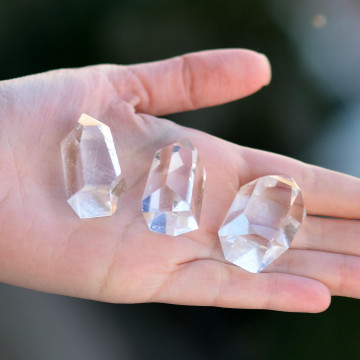
Chakra Stones
What are chakra stones? Chakras and their stones:
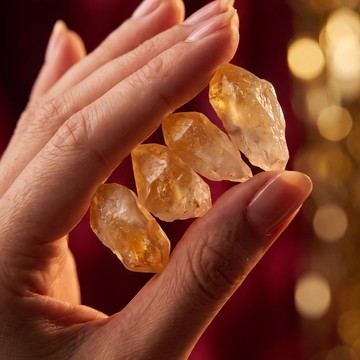
- Root Chakra: Agate, Anyolite, Aventurine, Charoite, Diopside, Smoky Quartz, Galena, Hematite, Jasper, Bloodstone, Tiger's Eye, Chrysocolla, Garnet, Obsidian, Onyx, Rhodonite, Citrine, Vanadinite, Ruby
- Sacral Chakra (Lower Abdomen): Agate, Aventurine, Sunstone, Jasper, Tiger's Eye, Garnet, Obsidian, Citrine, Tourmaline, Vanadinite
- Solar Plexus Chakra (Stomach): Agate, Amber, Ametrine, Charoite, Diaspore, Sunstone, Heliodor, Jasper, Tiger's Eye, Chrysoprase, Garnet, Malachite, Obsidian, Onyx, Peridot, Pietersite, Prehnite, Pyrite, Rhodochrosite, Sapphire, Citrine, Topaz, Tourmaline, Vanadinite
- Heart Chakra: Amazonite, Anyolite, Aventurine, Aquamarine, Diaspore, Diopside, Hemimorphite, Chrysocolla, Chrysoprase, Kunzite, Garnet, Malachite, Morganite, Obsidian, Peridot, Rose Quartz, Prehnite, Rhodochrosite, Rhodonite, Sapphire, Celestite, Tanzanite, Tourmaline, Variscite, Jade, Emerald
- Throat Chakra: Amazonite, Angelite, Apatite, Aquamarine, Hemimorphite, Chalcedony, Chrysocolla, Lapis Lazuli, Larimar, Sapphire, Celestite, Tanzanite, Topaz, Turquoise-Colored Stone, Tourmaline
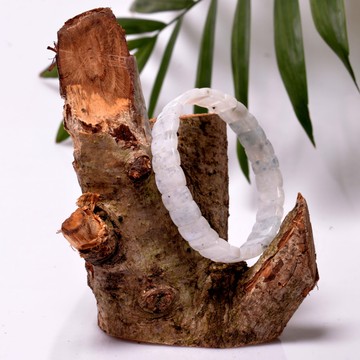
- Third Eye Chakra (Brow): Amethyst, Angelite, Anyolite, Apatite, Aventurine, Moonstone, Azurite, Charoite, Diaspore, Dumortierite, Hematite, Hemimorphite, Herkimer Quartz, Iolite, Jasper, Chalcedony, Cavansite, Quartz, Lapis Lazuli, Onyx, Obsidian, Pietersite, Sapphire, Selenite, Sodalite, Sugilite, Tanzanite, Topaz, Tourmaline, Vanadinite, Jade
- Crown Chakra: Amethyst, Ametrine, Angelite, Aura Quartz, Moonstone, Azurite, Charoite, Hematite, Hemimorphite, Herkimer Quartz, Chalcedony, Cavansite, Garnet, Sapphire, Celestite, Selenite, Sugilite, Tanzanite, Topaz, Jade
- All Chakras: Aragonite, Fluorite, Calcite, Quartz, Kyanite, Labradorite, Lepidolite, Magnetite, Moldavite, Opal, Rutilated Quartz, Seraphinite, Serpentine, Shivalingam, Shungite, Spinel, Unakite, Zircon
Chakra Colors
What are the chakra colors? What do the chakra colors mean?
Chakras are said to be the energy centers of the body, and each one is associated with a different color. In traditional belief, each of these colors is linked to our physical, emotional, and spiritual well-being.
1. Root Chakra (Red): The root chakra is located at the very bottom of the body, at the base of the spine. It is associated with security, stability, and our basic needs. Red is the color of the root chakra, and it is said to represent strength, vitality, and the survival instinct on the physical level.
2. Sacral Chakra (Orange): The sacral chakra is located in the abdomen and is associated with sexuality, creativity, and emotional balance. Orange is the color of the sacral chakra, and it is said to represent emotional balance, passion, and creativity.
3. Solar Plexus Chakra (Yellow): The solar plexus chakra is located in the upper part of the abdomen and is associated with personal power, self-esteem, and willpower. Yellow is the color of the solar plexus chakra, and it is said to represent self-esteem, strong willpower, and personal power.
4. Heart Chakra (Green): The heart chakra is located in the chest and is associated with love, compassion, forgiveness, and relationships. Green is the color of the heart chakra, and it is said to represent love, tenderness, and balanced relationships.
5. Throat Chakra (Blue): The throat chakra is located in the throat area and is associated with communication, expression, honesty, and creativity. Blue is the color of the throat chakra, and it is said to represent open communication, freedom of expression, and creativity.
6. Third Eye Chakra (Purple): The third eye chakra is located in the forehead area and is associated with insight, wisdom, intuition, and mental clarity. Purple is the color of the third eye chakra, and it is said to represent insight, wisdom, and mental clarity.
7. Crown Chakra (Purple or White): The crown chakra is located at the very top of the head and is associated with spiritual connection, universal wisdom, and enlightenment. Purple or white is the color of the crown chakra, and it is said to represent spiritual connection, universal wisdom, and enlightenment.
Chakra colors and their meanings appear in many practices that aim to balance the flow of energy in the body and support well-being. It is believed that these energy centers can be balanced through practices such as meditation, yoga, and reiki. Chakra stones are also used to support that balance.
By learning about the colors and meanings of the chakras, we can take the steps we feel we need to balance our own energy centers. Understanding chakra colors and their meanings is considered important for physical, emotional, and spiritual well-being. We can consciously work to bring our lives into balance and harmony with the color of each chakra.
Signs of the 7 Chakras Opening
What are the signs of the 7 chakras opening? Chakra is a Sanskrit word meaning "wheel." Chakras are the seven main energy centers believed to be found in the body, and they are thought to influence our physical, emotional, and spiritual well-being. When these centers are balanced, they are said to bring balance and harmony to every area of life. So what are the signs of the chakras opening? Here is detailed information about the signs of the 7 chakras opening:
1. Root Chakra Opening Signs: The root chakra is the energy center at the very bottom of the body, and it represents our basic sense of security. When it is balanced and open, a person is said to feel more self-confident and firmly connected to the earth. Signs of an open root chakra may include a decrease in feelings of insecurity, a stronger sense of connection to life, and feeling physically stronger and more energetic.
2. Sacral Chakra Opening Signs: The sacral chakra represents emotional balance and creativity. When it is balanced and open, a person is said to feel emotionally balanced and at ease and to bring out their creative potential. Signs of an open sacral chakra may include feeling more emotionally balanced, an increase in creativity, and communicating in a healthier way in relationships.
3. Solar Plexus Chakra Opening Signs: The solar plexus chakra represents personal power and self-esteem. When it is balanced and open, a person is said to feel more self-confident and to be more determined and strong in life. Signs of an open solar plexus chakra may include growing self-esteem, becoming aware of your personal power, and being more determined and strong in life.
4. Heart Chakra Opening Signs: The heart chakra represents love, compassion, and forgiveness. When it is balanced and open, a person is said to live with a loving heart and to be understanding and compassionate toward others. Signs of an open heart chakra may include feeling full of love, being understanding toward other people, and being forgiving.
5. Throat Chakra Opening Signs: The throat chakra represents communication and expression. When it is balanced and open, a person is said to express their inner truth more easily and to communicate in a healthy way. Signs of an open throat chakra may include finding it easier to express yourself and a growing ability to communicate in a healthy way.
6. Third Eye Chakra Opening Signs: The third eye chakra represents insight and intuition. When it is balanced and open, a person is said to reach their inner wisdom and find the right path in life. Signs of an open third eye chakra may include sensing inner guidance, stronger intuition, and greater access to inner wisdom.
7. Crown Chakra Opening Signs: The crown chakra represents spiritual connection and enlightenment. When it is balanced and open, a person is said to experience spiritual enlightenment and a connection to universal consciousness. Signs of an open crown chakra may include feeling spiritually enlightened and a sense of connection to universal consciousness.
The signs described above can appear differently in each person. If you think you are experiencing one or more of them, you can try practices such as meditation, yoga, and reiki to balance your chakras. One important point to remember: these signs can also be a symptom of other health problems. If you have any complaint, be sure to consult a qualified doctor.
Sacral Chakra
What is the sacral chakra? The Sacral Chakra (known in Sanskrit as Svadhisthana) is said to be an energy center located in the lower abdomen, at the base of the spine, in the area between the tailbone and the navel. The Sacral Chakra is linked to the water element and to emotional and creative energy. The word Svadhisthana means "one's own place" or "my place," which is taken to express a person's capacity to discover and make sense of their own essence, emotional needs, desires, and pleasures. The Sacral Chakra is also strongly associated with sexuality, creativity, pleasure, and emotional balance.
This chakra is said to govern a person's emotional relationships and to guide sexual energy and harmony in relationships. It is also connected with creativity; it is considered the source of new ideas, projects, and artistic work. On the emotional side, the sacral chakra is thought to encourage enjoying pleasure, savoring life, and expressing desires. An emotional block, or a blocked sacral chakra, is traditionally believed to lead to emotional imbalance, sexual difficulties, or creative obstacles. For this reason, balancing the energy of the sacral chakra is considered important for emotional healing and for the rebirth of creativity.
On the physical level, the sacral chakra is traditionally associated with the abdominal area, the pelvic region, the kidneys, the digestive system, and the reproductive organs. When the sacral chakra is balanced, a healthy flow of energy is said to reach these areas of the body. In contrast, when the sacral chakra is out of balance, digestive problems, pain, sexual health problems, or pelvic discomfort are said to appear. These are traditional beliefs, not medical claims.
Practices such as yoga, breathing techniques, meditation, and especially connecting with water are recommended for balancing the sacral chakra. Being in water, spending time with the water element, and moving with the rhythm of water are believed to encourage the flow of the sacral chakra's energy. When this chakra opens, a person is said to feel more creative, more joyful, emotionally healthier, and more balanced in relationships.
How Are Chakras Opened?
How are chakras opened? Chakras are said to be the energy centers of our body, and they are believed to play an important role in our spiritual, emotional, and physical well-being. Having balanced and open chakras is thought to help us live in balance and harmony in every area of life. So how are chakras opened? The answer is a fairly detailed and personal subject. Here is some information on how chakras are opened.
1. Learning: The first step is to learn about the chakras. Each chakra represents a specific concept or emotional state. The root chakra is associated with security and basic needs, while the crown chakra is associated with spiritual connection and enlightenment. It is important to know the function of each chakra and how to keep it in balance.
2. Meditation: Meditation is considered an effective method for opening and balancing the chakras. There are specific meditation techniques for each chakra. The point you focus on during meditation is believed to activate the energy of that chakra and bring balance.
3. Yoga: Yoga is a wonderful way to balance body and mind. There are yoga poses and techniques designed specifically for opening the chakras. With these techniques, you can stretch your body while also working to balance your chakras.
4. Reiki and Healing Practices: Energy healing practices such as reiki are believed to help open the chakras. By working with an experienced reiki practitioner, you may seek to balance and open chakras that feel blocked or out of balance.
5. Natural Stones: Some natural stones are believed to help open the chakras. For example, amethyst is said to help balance the crown chakra, while tourmaline is said to help balance the root chakra. You can use the energy of natural stones to support the balance of your chakras.
6. Nutrition: Healthy eating is considered important for balancing the body's energy centers. By eating colorful vegetables and fruits, you can support the balance of your chakras. For example, orange foods are said to help balance the sacral chakra.
7. Self-Care: You can also balance your chakras with some techniques you can do on your own. For example, you can work on balancing your chakras by doing breathing exercises or using affirmations.
Balanced and open chakras are believed to improve our quality of life and to have a positive effect on our spiritual, emotional, and physical well-being. For this reason, it is considered important to check the state of your chakras regularly and, if needed, to practice opening and balancing techniques. Guidance from an experienced teacher on the techniques you practice can also be helpful. Remember that every person's chakra system is different, and personal approaches may be needed. Give your chakras the attention they deserve for a healthy and balanced life!
Chakras and Their Meanings
Chakras are said to be centers in our body that enable the flow of energy. These energy centers are believed to influence our physical, emotional, mental, and spiritual well-being. Balanced and harmonious chakras are thought to play an important role in maintaining overall well-being. So what are the meanings of each chakra? Here is detailed information about the chakras and their meanings:
1. Root Chakra
It is located at the tailbone. The adrenal glands, which sit on top of both kidneys and regulate the chemical makeup of body fluids, are traditionally associated with this chakra.
2. Sacral Chakra (Lower Abdomen)
It is located below the navel, in the abdominal area. The ovaries, testes, and prostate gland are traditionally associated with it. This chakra is said to govern both sexual and creative energy.
3. Solar Plexus Chakra (Stomach)
It is located below the chest and above the navel. Organs such as the stomach, liver, and spleen are traditionally associated with it. The pancreas, a gland located just behind the stomach, is also linked to this chakra. The pancreas secretes insulin, which plays an important role in balancing blood sugar levels and controlling the metabolism of carbohydrates.
4. Heart Chakra
It is located in the middle of the chest. The thymus gland is traditionally associated with it. There is a close relationship between the work of the thymus gland and the immune system.
5. Throat Chakra
It starts at the Adam's apple in front, runs along the back of the neck, and ends just below the medulla oblongata. The thyroid gland is traditionally associated with it.
6. Third Eye Chakra (Brow)
It is located on the forehead. The pituitary gland is traditionally associated with it. The function of this gland is to secrete hormones that cover growth and metabolism. This chakra is said to be directly connected with sight, both in the physical and the spiritual sense.
7. Crown Chakra
It is located at the top of the head. The pineal gland is traditionally associated with it. Although its function has not been fully established medically, it is thought to be related to growth.
To help your chakras work in balance and harmony, you can try techniques such as meditation, yoga, breathing exercises, and reiki. Proper nutrition, physical activity, and positive thinking are also believed to help your chakras stay balanced.