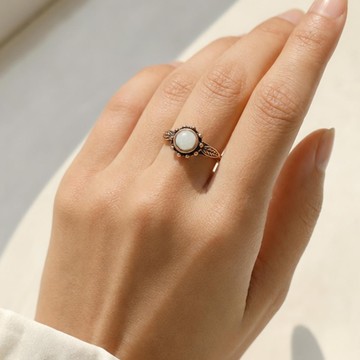
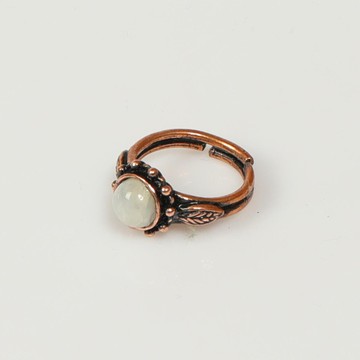
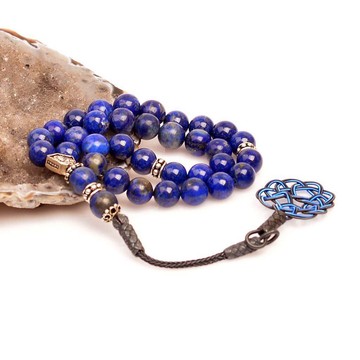
Do natural stones break? What happens if a natural stone breaks? What should you do if one does? Can real natural stone break? Natural stones form from minerals and elements over millions of years of geological processes, so each one has a unique and fragile structure. Natural stones are remarkable creations of nature. Each is made of a different mineral and is believed to carry its own energy. Besides their beauty, these stones are also used in healing and energy practices.
But like every beautiful thing, natural stone is delicate and can break. Depending on the type of stone, its hardness, and the force of the impact, it may chip, split into pieces, or break completely.
Some factors that can cause natural stones to break:
Impact and drops: Dropping a stone on a hard floor or hitting it against a hard object is the most common cause of breakage.
Temperature changes: Sudden changes in temperature can cause some stones to crack and break.
Scratches: Contact with sharp, hard objects can scratch the surface of a stone and weaken it.
Chemicals: Perfume, detergent, and products containing chemicals can damage a stone's structure and make it brittle.
Natural flaws: Cracks and weak points that formed with the stone raise the risk of breakage.
What Happens If a Natural Stone Breaks?
Natural stones are generally known for being durable and solid, but they can break in some situations. When a natural stone breaks, different outcomes are possible depending on the type of stone and how it breaks.
Aesthetic Value: When a natural stone breaks, its aesthetic value usually drops. The broken area can spoil the stone's look and affect its beauty.
Energy: Some people believe in the energy of natural stones and use them to balance energy centers or for healing purposes. When a stone breaks, some people may believe this affects its energy.
Possibility of Repair: In some cases, especially for precious stones, a broken stone can be repaired by professionals. With repair work done by experts, it may be possible to make the stone usable again.
Change of Meaning: Natural stones often carry symbolic meanings and may be used for personal growth or spiritual purposes. When a stone breaks, some people interpret it as a time of transformation or change.
When a natural stone breaks, the outcome depends on the stone's type, size, and the way it breaks. A broken natural stone can therefore be viewed in different ways, depending on personal preferences and beliefs.
Lifespan of Natural Stones
Natural stones form deep within the earth through geological processes that last for years, and they reflect the unique beauty of nature. How long a natural stone lasts, however, usually depends on its type, its quality, and the conditions it is used in. Factors that affect the lifespan of a natural stone include:
Durability: Many natural stones can last for many years if they are properly cut and cared for. For example, hard natural stones like diamond can last a very long time, while softer ones can be scratched or broken easily.
Where It Is Used: Where a natural stone is used is an important factor in its lifespan. Stones that are in constant contact, such as those in jewelry, can wear down and get damaged more. Stones used in decorative objects or home decor face less wear and can last longer.
Care: Regular care is important for extending the life of natural stones. For jewelry in particular, regular cleaning and care help keep the stone's shine and reduce the risk of damage.
Environmental Factors: Environmental conditions are another factor that affects a stone's lifespan. Moisture, light, and chemicals can affect the structure of a stone and shorten its life.
Quality and Craftsmanship: The quality of a natural stone and the way it is worked directly affect its lifespan. A high-quality natural stone can last longer, while a low-quality or poorly worked stone may have a shorter life.
In general, the lifespan of natural stones depends on how they are used, how they are cared for, and their quality. Still, with proper use and regular care, many natural stones can last for many years and keep their beauty.
Breakage in Precious Stones
Precious stones are generally known for being harder and more durable than other natural stones. In some cases, though, precious stones can also break. How likely a precious stone is to break depends on its type, its hardness, and how it is used.
Hardness of Precious Stones: Precious stones are usually rated on the Mohs hardness scale. This scale sets the hardness level of each stone, and the risk of breakage is judged accordingly. For example, diamond has a hardness of 10, while emerald is rated 7.5-8.
Causes of Breakage: Precious stones usually break because of outside factors such as impact, scratches, or sudden temperature changes. If a stone has structural weaknesses or cracks, this can also raise the risk of breakage.
Repairing Broken Precious Stones: A broken precious stone should generally be repaired by experts. Experts can repair a stone by joining the broken pieces back together. In some cases, though, repair may not be possible if the break is very large or has damaged the structure of the stone.
Using Precious Stones: When using precious stones, it is important to be careful and protect them from impact. Taking off jewelry with precious stones during daily activities or while exercising can prevent damage to the stone.
How likely a precious stone is to break depends on its quality, its hardness, and how it is used. It is therefore important to protect and use precious stones properly.
Can Real Natural Stone Break?
The durability and breakage resistance of natural stones vary with the stone's type, composition, structural properties, and conditions of use. Some natural stones are quite durable, while others can be more brittle.
Type of Stone: How easily a natural stone breaks depends on its type. For example, hard and durable stones like diamond are quite resistant to breaking. More brittle stones like tourmaline, however, can break easily.
Crystal Structure: Many natural stones have a crystalline structure, and the shape and arrangement of these crystals affect how easily the stone breaks. Crystals with a regular structure are generally more durable, while fractured or cracked structures can be more brittle.
Refractive Index: The refractive index measures how a material bends and reflects light. Stones with a high refractive index can often be more brittle.
Cleaning and Care: The cleaning and care of natural stones can affect how brittle they are. A dirty or worn stone can become more brittle. Regular cleaning and care can increase a stone's durability.
Conditions of Use: The conditions a natural stone is used in affect how easily it breaks. Stones that are in constant contact, such as those in jewelry, can be more exposed to impact and wear. Stones under high impact or pressure can break.
Because natural stones are natural, organic materials, they can break naturally. With proper use and regular care, however, many natural stones can last a long time. Depending on the type of stone and how it is used, the risk of breakage can be reduced and the life of the stone extended.
What to Do If a Natural Stone Breaks
Natural stones are often used during energy work, meditation, or rituals, and they sometimes break on their own. If one of your natural stones breaks:
Accept Your Stone: The energy of a broken stone is said to remain. Take some time, sit with your stone, and acknowledge and appreciate everything you have worked on with it.
Bury the Pieces in the Earth: If you do not want to part with your stone, bury its pieces in the soil of your favorite plant. This is thought to help the stone give its energy back to the earth.
Cleansing and Recharging: Traditionally, people cleanse the stone with white sage incense. Then they take it outside into the sunlight to let it recharge its energy.
Look Into the Stone's Meaning: Take a deeper look to understand the symbolism of the broken stone. Perhaps it is a sign of a stage you are working through on your life journey.
Do Not Throw Away Broken Crystals: Each piece of a crystal is believed to hold its own value. Broken crystals are traditionally believed to keep a healing quality. Instead of throwing them away, you can still make use of their energy.
Cleanse and Neutralize Your Stone: You can cleanse your stone with water, soil, or moonlight. This is thought to help the stone refresh its energy.
Take Care of Your Stone: Natural stones are like people. Treat yours with care, clean it when needed, and recharge its energy when needed.
There are beliefs that natural stones break on their own as a way of releasing energy or as a sign of moving into a new phase. For many people, this is seen as a natural part of a spiritual cycle, and the advice is to let the process run its course.
The breaking of natural stones and the practices around it can be understood within the framework of energy sensitivity and spiritual belief. This information covers some of the methods accepted in this field, and it can vary with personal belief and experience. Any method or practice may differ depending on personal preference and belief.
Tips for Protecting Your Natural Stones
Protect your stones from hard impacts and drops.
Keep your stones away from extreme temperature changes.
Keep your stones away from chemicals and abrasive materials.
Store your stones separately in a soft container.
Clean your stones regularly and dry them with a soft cloth.
Take care to keep your stones from being scratched by hard objects.
By using your natural stones with care and protecting them properly, you can enjoy them for many years.