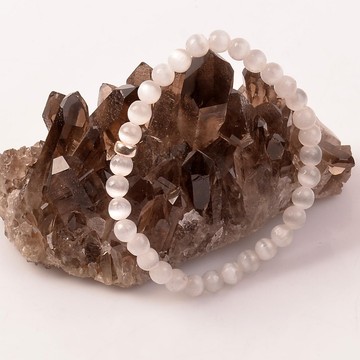
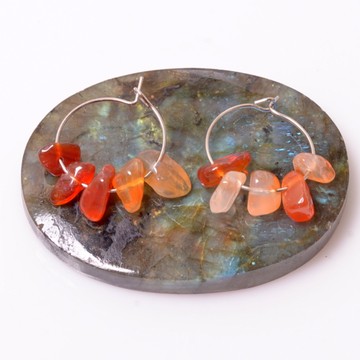
What are glow-in-the-dark natural stones? What types of glow-in-the-dark natural stone necklaces are there? What makes a glow-in-the-dark natural stone special? Glow-in-the-dark natural stones are generally stones that absorb light and then give it off in the dark, thanks to their phosphorus content. Because they contain phosphorescent minerals, they can absorb and emit light. Among the best-known glow-in-the-dark natural stones are opal, quartz, tourmaline, and agate. These stones are also used often in jewelry design. They are especially popular in necklaces, where they create a distinctive look and effect. Among glow-in-the-dark natural stone necklace types, the most popular are usually those made from stones such as opal and quartz. These necklaces stand out at evening parties and special events.
The defining feature of a glow-in-the-dark natural stone is that it absorbs light and releases it in the dark. This feature comes from the phosphorescent minerals inside the stone. With this feature, a glow-in-the-dark natural stone is seen as a distinctive and striking choice in jewelry design. The natural, one-of-a-kind look of these stones also helps explain why jewelry lovers choose them.
For centuries, natural stones have opened the door to a fascinating world with their beauty and their energies. Glow-in-the-dark natural stones are part of that mysterious world. Here are their features and some popular types:
-
Phosphorescent Stones:
- Phosphorescent stones glow in the dark because they can absorb and emit light.
- These stones store energy under sunlight or artificial light and keep glowing through the night.
- One of the best-known phosphorescent stones is phosphorescent quartz.
-
Amethyst:
- Amethyst is a purple variety of quartz.
- It is said to glow faintly in the dark and to help with dream recall.
- It is used during meditation and is said to calm the mind.
-
Opal:
- Opal is a stone famous for its play of color.
- It changes color as light reflects off it, and it may glow in the dark.
- Opal is regarded as a mystical, enchanting stone.
-
Aquamarine:
- Aquamarine is a sea-blue stone.
- It is associated with the sea and is said to glow faintly in the dark.
- It is believed to bring inner peace and calm.
-
Luminous Stones:
- Some stones are prepared with a special coating or additive so that they glow in the dark.
- These stones give off an impressive glow at night and are often used in jewelry designs.
Glow-in-the-dark natural stones are valued both for their beauty and, as many people believe, as carriers of energy. Each stone has its own story and meaning. When you wear or use them, you can enjoy their beauty and what many people see as their energies.
Glow-in-the-Dark Stones
Quite popular among natural stones, these stones create a mystical, enchanting effect. Glow-in-the-dark stones are known for glowing in the dark after long exposure to light. They are excellent choices for many settings. You can use them in decor, jewelry, or fine jewelry to add a touch of magic. They are not only a wonderful gift of nature. They also draw attention and are said to bring calm and relaxation.
These glowing stones go by different names. They include "phosphophyllite," "fluorite," "amazonite," and "apatite." Each stone has its own brightness and range of colors. Glow-in-the-dark stones are a mysterious, captivating creation of nature. They absorb light and later give it off in the dark, which creates an extraordinary effect.
Glow-in-the-dark stones show luminescence. This property mostly comes from phosphorus minerals or other chemical substances inside the stone. These minerals absorb light and then release that energy, which lets them emit light in the dark. Glow-in-the-dark stones can form naturally, but synthetic stones that create the same effect can also be made. Naturally occurring ones usually owe their glow to minerals that contain phosphorus, while synthetic ones are made with specially formulated chemical compounds.
Glow-in-the-dark stones come in many colors and sizes. The most common colors are green, blue, and yellow, but some have rarer colors such as red or orange. Their sizes range from small grains to large blocks.
Glow-in-the-dark stones can create a mysterious atmosphere and spark people's curiosity. A stone that shimmers at night brings back childhood daydreams and can highlight the magic of the night. They are also a subject of interest for scientists and researchers, because understanding the luminescence of these stones may contribute to the development of new materials. Glow-in-the-dark stones can save energy. When used for lighting in particular, they may reduce electricity consumption and lower environmental impact. In some cases they can also be charged by exposure to sunlight, which lets them give off light for longer. Glow-in-the-dark stones are a magical gift of nature, and they spark people's imagination and curiosity. With both decorative and practical uses, these stones have become part of modern life, and they will keep growing in importance in the future.
Types of Glow-in-the-Dark Natural Stones
Stones that can glow in the dark hold a special place among natural stones. One of the most popular stones that can glow in the dark is "phosphophyllite." This stone glows in blue and green tones in the dark. It also stands out for being rare.
Another stone that can glow at night is "fluorite." Fluorite can glow in a variety of colors and stands out especially for its purple and green tones. The brightness of this stone can change depending on the light.
"Amazonite" is among the rarer stones that can glow at night. This stone usually glows in green tones and has a natural look. Amazonite is often used in home decor and jewelry making.
Finally, "apatite" is another stone that can glow in the dark. Apatite usually glows in blue and green tones and has a bright look. This stone is used in jewelry making and is traditionally associated with energy balancing.
There are many more types among the stones that can glow in the dark. Each stone has its own features and colors. These stones are just a few of the rare beauties nature offers us.
Features of Glow-in-the-Dark Natural Stones
Stones that can glow in the dark have features that set them apart from ordinary stones. Their most distinctive feature is that they glow in the dark. This glow happens because the phosphorus inside the stone stores energy after exposure to light and releases it in the dark. This effect makes the stones visible and creates a mystical atmosphere.
The colors of glowing stones vary depending on the stone's chemical composition. For example, phosphophyllite glows in blue and green tones, while fluorite stands out with purple and green tones. The colors come from the elements inside the stones.
Glow-in-the-dark natural stones show luminescence (the ability to glow). This property depends on the presence of phosphorus, calcium, or other elements inside the stone. These elements absorb light during the day and release this energy in the dark, which lets them give off light.
These stones generally come in a variety of colors. The most common colors are green, blue, yellow, and purple, but some can come in rarer colors. The color varies with the mineral components and chemical structure inside the stone.
Glow-in-the-dark natural stones usually have a crystal structure. These crystals can reflect light and show luminescence. The crystal structure has a large effect on the stone's brightness and glow.
These stones usually form over many years through natural processes. Igneous, sedimentary, or metamorphic processes can play a role in their formation. For example, phosphorite usually forms when minerals that contain phosphorus build up.
Glow-in-the-dark natural stones are usually durable and long-lasting. They can withstand a variety of environments and conditions. These qualities make them ideal for decorative purposes and allow long-term use.
These stones are visually appealing and spark people's curiosity. A stone that shimmers at night highlights the mystery and magic of nature. They also interest scientists and researchers, because understanding the luminescence of these stones may lead to new discoveries and applications.
Stones that glow at night are a natural beauty that nature offers us. They are known both for their striking looks and for being traditionally associated with balancing different energies. For this reason, working with these stones has become a calming practice for many people.
Names and Features of Glow-in-the-Dark Natural Stones
Glow-in-the-dark stones are known by different names and types. The stone called "phosphophyllite" glows in blue and green tones at night. It stands out for being rare and is popular among collectors.
"Fluorite" is a stone that can glow in purple and green tones at night. Its brightness can change depending on the light, and it can appear in different colors.
"Amazonite" is a stone that usually glows in green tones. It has a natural, calming look and is often used in jewelry making.
"Apatite" is a stone that can glow in blue and green tones. It is traditionally associated with energy balancing and can be found in different colors.
Opal is a colorful, opaque stone, and some types can glow in the dark. Some varieties of opal in particular can absorb light and show a noticeable glow in the dark. Precious opals are usually found in red, green, blue, or yellow tones.
Calcite is a mineral often found as white or colored transparent crystals. Some types of calcite can glow in the dark, especially because of their fluorescent properties in various colors. These stones can show a noticeable glow when exposed to ultraviolet light.
Goldstone or astrophyllite is usually a black stone that can show noticeable luminescence in the dark. These stones usually contain calcite and give off light in the dark because of the mineral structure inside. The glow of goldstone comes from the crystal structure of the calcite inside it.
Selenite is a mineral that usually looks white or transparent, and some types can glow in the dark. Because selenite has a crystal structure, it can reflect light, which can create a noticeable brightness in the dark.
Larimar: With turquoise and blue tones that recall the depths of the ocean, larimar is believed to encourage communication and peace.
Glow-in-the-dark stones are also known by other names. While they keep their natural beauty and brightness, they also create a mystical atmosphere. For this reason, many people regard them as fascinating, valuable treasures.
Uses of Glow-in-the-Dark Stones
Glow-in-the-dark natural stones offer great options for use in many areas.
The first use is decoration. Glow-in-the-dark natural stones can add a mystical atmosphere to spaces such as a home or office. They look especially impressive when used in lighting items such as night lights or desk lamps.
The second use is in jewelry and fine jewelry making. Glow-in-the-dark stones can be used as part of jewelry such as necklaces, bracelets, and rings. These stones give jewelry a different feel and an eye-catching look.
The third use is meditation and energy work. Glow-in-the-dark natural stones are traditionally associated with balancing energy and spiritual relaxation. For this reason, many people use these stones during meditation, believing this helps balance their energies.
Stones that glow at night have a wide range of uses. While they attract attention with their natural beauty and brightness, they can also help create different atmospheres.
Caring for Glow-in-the-Dark Stones
Glow-in-the-dark stones do not need special care. However, it is important to take a few precautions to keep their brightness and properties.
First, it is important to keep the stones clean and dry. Stones can be affected by water or moisture and may lose their brightness. For this reason, a damp cloth is recommended for cleaning or handling them.
Second, it is important not to drop the stones or expose them to impact. Stones that glow at night can crack or break from hard impacts. For this reason, it is important to store them in a protective box or pouch.
Third, it is important not to expose the stones to direct sunlight. Sunlight can fade the stones' colors and reduce their brightness. For this reason, we recommend keeping the stones away from sunlight.
Glow-in-the-dark stones need only simple care to keep their natural beauty and brightness. With good care, they keep glowing with the same brightness for many years.
What to Look For When Buying Glow-in-the-Dark Natural Stones
When buying a glow-in-the-dark natural stone, it is important to keep a few tips in mind. First, make sure you choose a stone of the right type with a good glow. It is also important to consider the quality and craftsmanship of the stone. Make sure the stone is durable and long-lasting. Keep your budget in mind too, and choose a stone in a suitable price range. Finally, it is important to care for the stone you buy and help it last.
- Where Can You Find Glow-in-the-Dark Stones?
At Taş Sandığı, you can find everything you need to discover and buy glow-in-the-dark stones. Taş Sandığı offers its customers a unique shopping experience with its high-quality and varied phosphorescent stones. If you are looking for a perfect gift for yourself or your loved ones, you will find many options at Taş Sandığı. Step into this magical world and add a glow to the night with shimmering stones.