How Many Beads Do Prayer Beads Have?
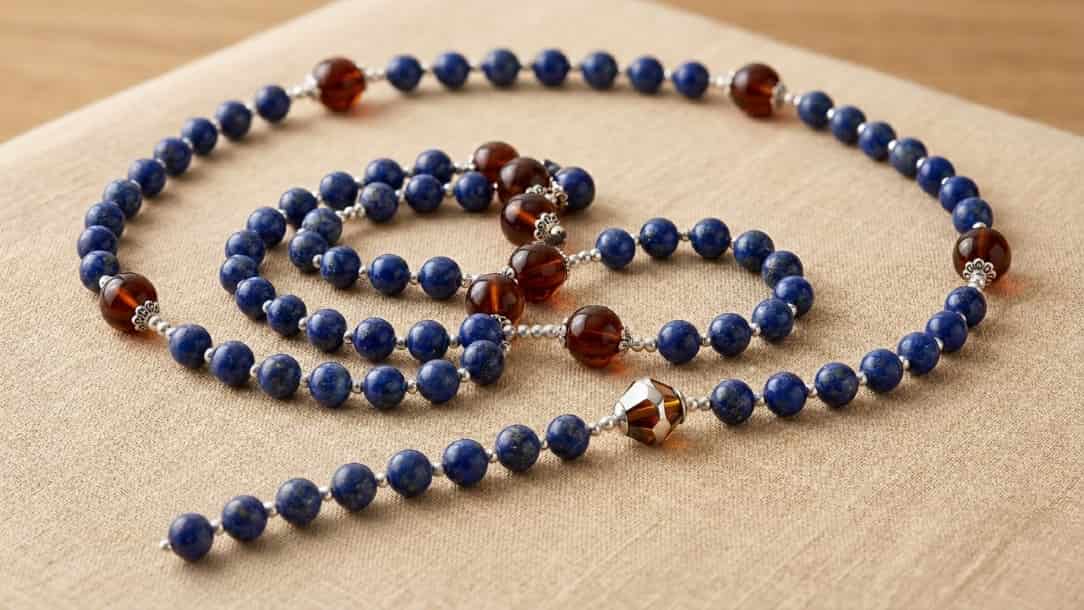
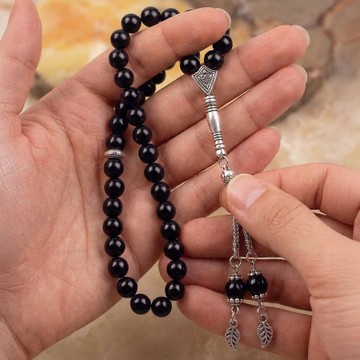
The number of beads on prayer beads is not fixed, and it covers a wide range depending on the purpose of use. The most common models have 33 and 99 beads, but there are other options as well, such as 11, 17, 27, 41 and 101 beads. 33-bead prayer beads stand out as one of the most practical choices for daily use, because they turn comfortably in the hand and suit short sessions. 99-bead models offer a more orderly counting experience thanks to their longer form. Models with fewer beads are preferred especially for carrying in a pocket or for quick use. In general, the number of beads is a detail shaped entirely by ease of use and personal habit.
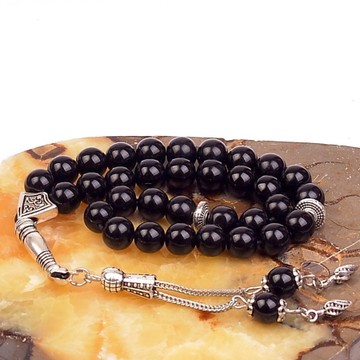
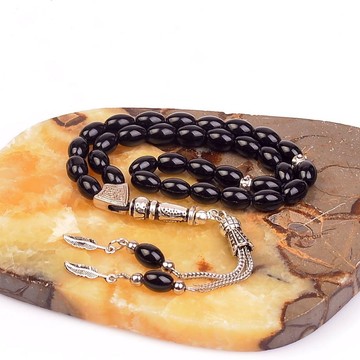
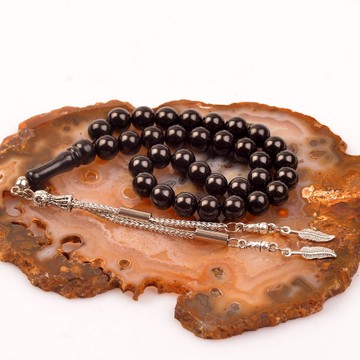
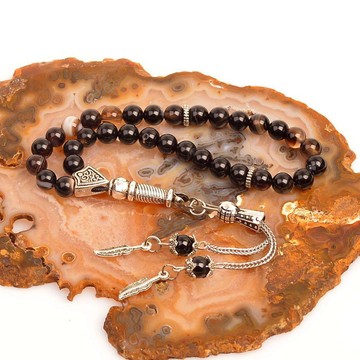
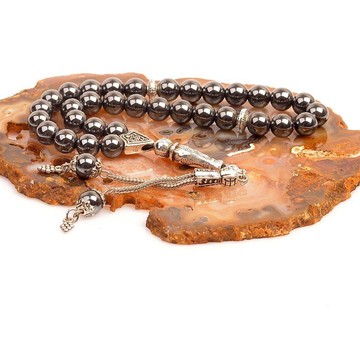
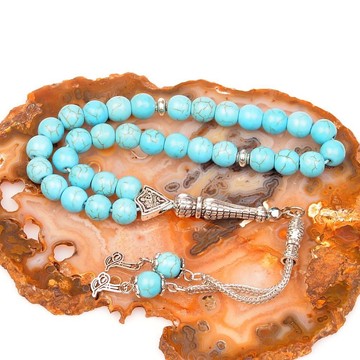
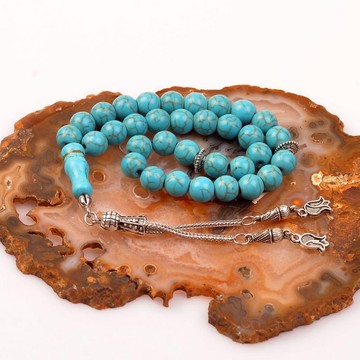
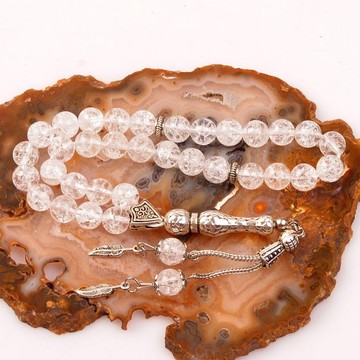
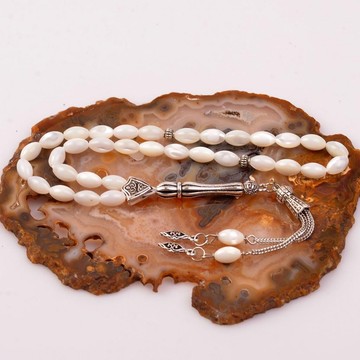
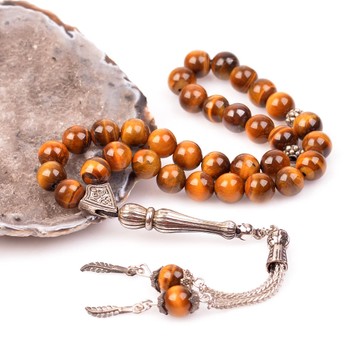
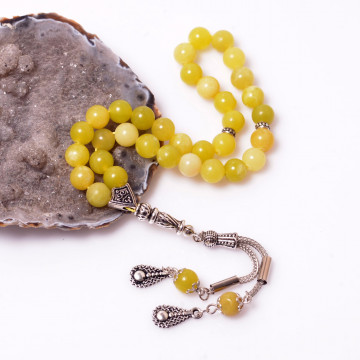
Unlike this structure, natural stone prayer bead models are judged mostly by their material. These prayer beads are made from different types of stone, such as agate, amethyst, obsidian and amber, and each offers a different experience both visually and to the touch. Natural stone prayer beads are chosen for their look, their feel in the hand and their collector value. For this reason, with natural stone prayer beads the structure of the material and the craftsmanship matter more than the number of beads.
Related content: How to make prayer beads?
Exactly How Many Beads Do Turkish Prayer Beads Have?
In Turkish prayer bead culture, the most common standard is the 33-bead model, which has become almost a classic for daily use. This is because it is ergonomic and gives a comfortable cycle in the hand. 99-bead prayer beads are among the longer models that feel more like collector's pieces. In Türkiye, 17, 27 and 41-bead prayer beads are also often made and used, and 17-bead ones in particular offer a more modern, practical use thanks to their short form. In Turkish prayer beads, the material, the craftsmanship and the design matter as much as the number of beads. Different materials such as Oltu Stone, amber, Kuka and natural stones add visual variety and define the character of the piece.
Is There a Standard Number of Beads on Prayer Beads?
It is not accurate to speak of a single standard number of beads on prayer beads, because these items are designed with different numbers according to both usage habits and production traditions. The best-known and most widely used models generally have 33 or 99 beads. 33-bead models offer comfort in daily use thanks to their more compact form, while 99-bead models give a smoother feel in use because of their longer form. Prayer beads with other bead counts, such as 11, 17, 27, 41 and 101, are also made. This variety comes from prayer beads being a product shaped around different needs, not just a single purpose.
Prayer Bead Sizes in Cultural Use
The number of beads has also created different habits in different cultures. 33-bead models in particular are the form most often seen in the daily habit of turning prayer beads in the hand, and they have kept their popularity for many years because of their practical form. 99-bead models are preferred for longer sessions and are considered mostly in the special design category. In Türkiye, 17 and 41-bead models are also quite common, and their shorter form allows quick use. In cultural use, the feel in the hand, the weight and the smoothness of the prayer beads are as important as the number of beads in shaping preferences.
Frequently Asked Questions About How Many Beads Prayer Beads Have
How many beads are most commonly used on prayer beads?
The most common prayer beads generally have 33 or 99 beads. 33-bead ones offer shorter, more practical use, while 99-bead models offer a smoother counting experience with their longer form. Beyond these, bead counts such as 11, 17, 27 and 41 may also be chosen according to different usage habits.
What are 33-bead prayer beads used for?
33-bead prayer beads are one of the most preferred models for daily use, since they turn comfortably in the hand. Reaching 99 after three rounds also makes this model more systematic. It offers a form that is both practical and ergonomic.
Why are 99-bead prayer beads preferred?
99-bead prayer beads give a continuous, orderly feel in use thanks to their longer form. They are preferred especially by users who want to count in detail. They are also regarded as a more showy, collector's model.
What are the short prayer bead models?
Prayer beads with 11 and 17 beads are generally among the short models. These prayer beads suit carrying in a pocket, so they are practical in daily life. They are often preferred by users who want quick use.
Is the number of beads on prayer beads fixed?
The number of beads on prayer beads is not fixed and changes with the purpose of production. Although certain numbers stand out in traditional models, many different designs exist today. This makes prayer beads a flexible, personal item.
Which model is used most in Turkish prayer beads?
In Turkish prayer bead culture, the most common model is the 33-bead prayer beads. This model is very popular because of both daily use and traditional habits. Its ease of use is the main reason people choose it.
What are the long prayer bead models?
Prayer beads with 99 and 101 beads are generally among the long models. These models offer a smoother feel in use and a longer turning experience in the hand. They are also more eye-catching visually.
Does the number of beads matter when choosing prayer beads?
The number of beads is an important factor, but not the only one. The purpose of use, the feel in the hand and the quality of the material also play a big role in the choice. For this reason, the most suitable model for the user depends on personal preference.
What do different bead counts change?
The number of beads directly affects the length of the prayer beads, the speed of use and how they flow in the hand. Models with fewer beads offer faster, more practical use, while models with more beads offer a more orderly, longer-lasting experience.
Are prayer beads used only for worship?
No. Today prayer beads are used not only for worship but also for other purposes, such as reducing stress, improving focus and building habits. In this way they have become both a traditional and a modern accessory.