




How to Identify Oltu Stone
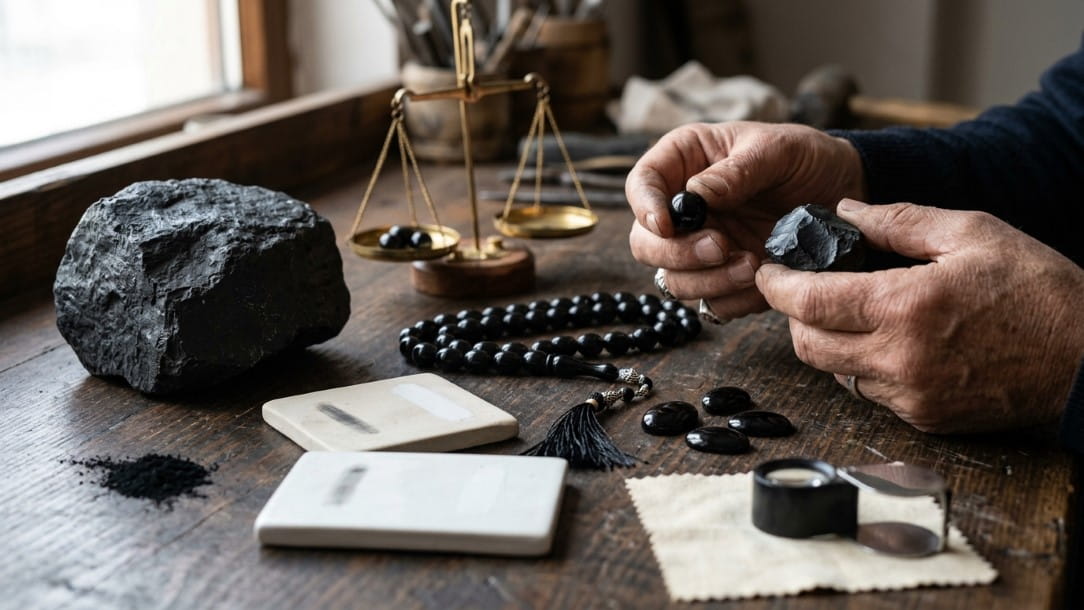
Oltu stone is widely used among natural stones, especially for making prayer beads (tasbih), and is closely associated with the Erzurum region. This gives it a special place both culturally and aesthetically. Because it is light, it does not feel heavy even when held in the hand for a long time, which adds real comfort to daily use. Its most notable traits include a gentle warmth when touched and a natural shine that develops on the surface over time with use. Genuine Oltu stone shows small differences from piece to piece because of its natural formation, and this is seen as an important sign that the stone comes from a natural source rather than a uniform one. Weight is one of the key points in recognizing the stone: real Oltu stone is quite light, and this lightness is regarded as a deciding feature for telling it apart from plastic or glass imitations. The surface is also not perfectly flawless. Natural veins, slight differences in tone and small natural transitions may be visible, which shows that the stone keeps its natural character even after being worked. The surface growing shinier with use is likewise considered a completely natural process. This shine is seen not as an added treatment but as a reaction of the stone's own structure over time.
How to Identify Oltu Stone Prayer Beads
Oltu stone prayer beads stand apart from other kinds of prayer beads in how they feel in the hand, and this difference becomes clearer with long use. Genuine Oltu stone prayer beads are light and do not feel heavy when held for a long time. This makes them comfortable for daily use and is considered one of the reasons people choose them. When the beads rub against each other, they can make a soft sound, which is seen as a result of the structure of the natural stone. This feel of friction is also a sign that the surface of the stone is natural. As use increases, the surface of the beads gradually becomes shinier, and this shine appears on its own without any outside treatment. It is seen as a natural change linked to the structure of the stone. It is also a sign of natural formation that no two beads are exactly the same, since real Oltu stone is not expected to be fully standard or uniform. These small differences show the natural character and individuality of the prayer beads.
How to Identify Real Oltu Stone
Real Oltu stone shows itself through its physical and structural features, and these become clearer with careful observation. One of its most distinctive traits is lightness, which brings clear comfort when the stone is held for a long time. It feels more natural than plastic or glass imitations, and the surface responds to touch in a softer, more organic way. Rubbing can create a slight static charge, which can be noticed by the stone's tendency to attract small, light pieces. This trait may not always appear with the same strength, but it is regarded as an important sign of a natural material. Real Oltu stone also does not look completely uniform. Natural color transitions, slight waves and vein patterns may show on the surface. These differences suggest that the stone comes from a natural formation process rather than an artificial one, and they make each piece unique.
How to Identify Genuine Oltu Stone
Genuine Oltu stone stands apart from similar materials through the natural feel it gives in use, and this difference becomes clearer with long contact. When held in the hand, it creates a mild feeling of warmth, and this feeling settles into a steadier level over time. This is linked to the natural structure of the stone and is traditionally explained as the stone taking on body heat during use. On genuine stones the surface grows shinier with time, and this shine appears as a natural result of use rather than a sudden or artificial look. The shine the stone gains from friction develops without any coating effect, which gives it a more natural and deeper look. The excessive shine seen on fake products, on the other hand, comes from an artificial process and leaves a plastic-like effect on the surface. So even if the look is attractive at first glance, it gives an impression far from that of natural stone.
How to Identify Erzurum Oltu Stone
Erzurum Oltu stone is one of the best-known and most preferred types in the region, and it stands out especially for the look that emerges when it is combined with traditional handcraft. These stones are known for being light, and because they do not cause discomfort when held for a long time, they are widely preferred for daily use. The stone is also easy to work, so craftsmen can turn it into different designs, which widens its range of uses. A natural shine forms on its surface over time. Because this shine develops with use, it is regarded as an important sign of quality. It comes not from an outside treatment but entirely from friction and use. Erzurum Oltu stone may also show small differences in color and texture because of its natural structure, and these differences are seen as supporting the stone's authenticity. The fact that no two pieces are exactly alike is also considered a result of this natural structure and forms the stone's characteristic look.
How to Identify Original Oltu Stone
Original Oltu stone stands apart from imitations through its natural structure and the feel it gives in use. One of its most distinctive traits is lightness. It does not feel heavy in the hand and causes no discomfort even with long use. This is a clear advantage, especially for prayer beads and accessories. On Oltu stone considered original, the surface is not perfectly flawless. Natural transitions, slight differences in color tone and vein-like patterns may be visible inside. These features are among the important signs that the stone formed in nature over long periods. The surface growing shinier over time is also considered a natural process.
How to Identify Original Oltu Stone Prayer Beads
Original Oltu stone prayer beads can be told apart easily by how they feel in the hand. Prayer beads made from real stones are light and do not weigh on the hand even with long use. This brings real comfort, especially in daily use. When the beads rub against each other, they can make a soft sound, which is seen as one of the characteristic traits of natural stone. As use increases, the surface of the beads also becomes shinier. This shine is not the result of an outside treatment but entirely a natural result of use.
How to Identify Erzurum Oltu Stone Prayer Beads
Erzurum Oltu stone prayer beads are among the best-known and most preferred products of the region. They are known for being light and for taking shape easily in the hand. With long use, they develop a natural smooth feel in the hand. On Oltu stone prayer beads from the Erzurum region, the shine that forms over time is quite pronounced. This shine does not feel like an artificial coating and develops entirely through use. It is also considered a result of the natural stone structure that each bead shows small differences.
How to Identify Fake Oltu Stone
Fake Oltu stone is made from plastic or synthetic materials, so it feels different from natural stone. One of the clearest differences is weight. Fake products are often heavier, or extremely light. The surface of fake Oltu stones is also usually overly shiny and looks artificial. Instead of the shine that forms over time on natural stones, they carry a shine applied during production. This leaves an impression far from a natural look.
How to Identify Fake Oltu Stone Prayer Beads
Fake Oltu stone prayer beads give a different feel in use compared to natural stones. Fake prayer beads usually do not create much of a warming feeling in the hand, and their surfaces do not change over time. The natural shine that forms on real Oltu stone prayer beads over time is not seen on fake products. The beads may also look artificially uniform, which differs from the characteristic structure of natural stone.
How to Tell If Prayer Beads Are Made of Oltu Stone
Whether prayer beads are made of Oltu stone can be understood from how light they feel in the hand and how they behave in use. Real Oltu stone prayer beads are light and cause no discomfort when held for a long time. The beads may also make a soft sound when they rub together, which is regarded as a sign of natural structure. The surface gaining shine over time is another important distinguishing trait.
How to Judge Oltu Stone Quality
Oltu stone quality is judged by how workable the stone is, its surface structure and the feel it gives in use. High-quality Oltu stones are easier to work and give a smoother surface. Quality stones gain a more even shine over time. The absence of excessive flaws inside the stone is considered a feature that adds to its value. Lightness and natural texture are also among the key factors that determine quality.
How to Identify Fake Oltu Stone
Fake Oltu stone is usually made from plastic or resin-based materials, so its structure differs from natural stone. One of the clearest differences is a surface that is overly smooth and has an artificial shine. Fake stones also usually do not show the natural static charge and do not change in use. The shine that real stones gain over time is not found on fake products.
How to Identify Oltu Stone in Prayer Beads
Oltu stone in prayer beads is recognized above all by the light feel in the hand and the natural responses it gives in use. Real Oltu stone prayer beads develop a natural smooth feel in the hand after long use. The soft sound made when the beads rub together and the shine that grows over time point to the natural structure of the stone. Small differences from bead to bead are also a result of using natural stone.
Frequently Asked Questions About Identifying Oltu Stone
How can you tell if Oltu stone is real?
Whether Oltu stone is real can be judged by its lightness, the warmth it gives when held, and the natural shine that appears on the surface after rubbing. Oltu stone considered real does not look completely uniform and may show natural differences in texture.
Why do Oltu stone prayer beads get shinier over time?
Oltu stone prayer beads gain a natural shine as use increases and they rub against the hand. This shine is not an outside coating but a natural effect of the stone's structure changing with use.
How can you tell fake Oltu stone?
Fake Oltu stone is made from plastic or resin-based materials, so it has an overly smooth and artificially shiny surface. The slight static charge and the surface change over time that are seen in natural stones are not found on fake products.
Why is Oltu stone light?
The lightness of Oltu stone is linked to the natural formation process in its structure and to materials of organic origin. This lightness is regarded as an important trait that brings comfort, especially in prayer beads and accessories.
Does Oltu stone warm up in the hand?
When held in the hand, Oltu stone can gradually take on body heat and give a mild feeling of warmth. This is seen as a feature of the stone's natural structure and becomes more noticeable during use.
Why does Oltu stone create static electricity?
Oltu stone can build up a slight static charge when rubbed. This is noticeable when small, light pieces are attracted, and it is regarded as an important sign of its natural structure.
Why do Oltu stone prayer beads make a sound?
When Oltu stone prayer beads rub against each other, they can make a soft sound. This sound is related to the hardness and natural surface texture of the stone and is usually felt more clearly with real stones.
Why does Oltu stone change color over time?
Depending on how long it is used, Oltu stone may show a natural darkening and a change in shine on its surface. This happens as a result of the stone's structural features and its interaction with outside factors.
How can you tell Oltu stone from plastic?
Oltu stone is usually told apart from plastic by its weight, surface feel and how it behaves in use. Plastic products have a more artificial shine, while Oltu stone develops a natural shine over time.
Why are Oltu stone prayer beads valuable?
Oltu stone prayer beads are considered valuable both for their natural formation process and for how difficult they are to work. The look they gain in use and their place in traditional culture also add to this value.