How to Measure Bracelet Size
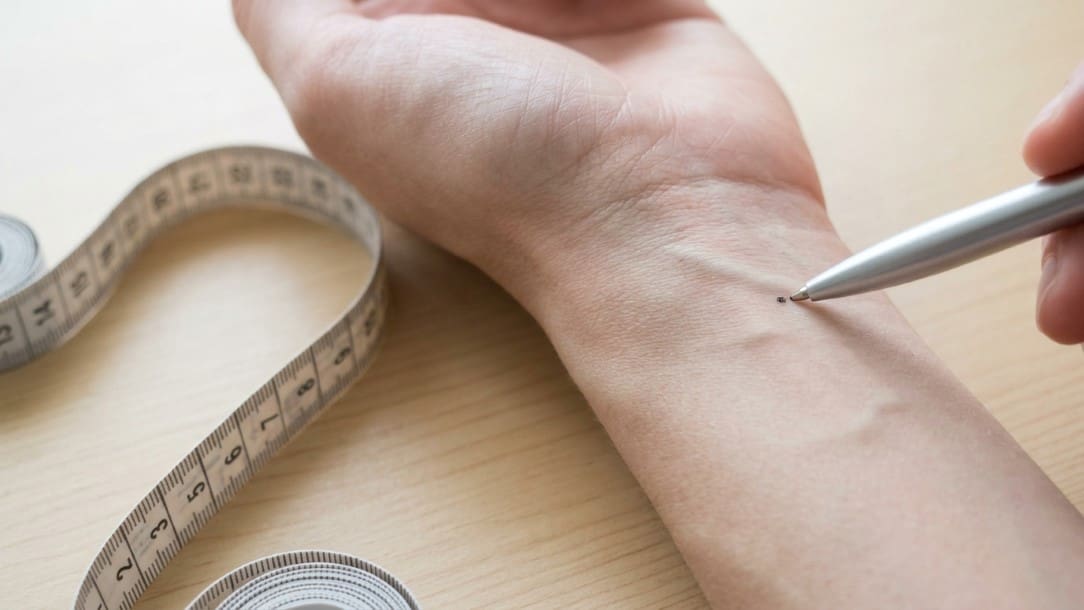
Measuring your bracelet size is the most basic step toward a comfortable fit, and it directly affects comfort in everyday wear. If the measurement is wrong, the bracelet either squeezes your wrist or keeps sliding around, which is a problem for both looks and wear. The easiest method is a flexible tape measure. Wrap it around the thinnest part of your wrist so that it touches naturally, neither too tight nor too loose. If you do not have a tape measure, you can use a thin piece of string or a paper strip. Wrap it once around your wrist, mark the point where the ends meet, and then measure it with a ruler. Add a small allowance to that length, depending on the bracelet style, usually between 1 and 2 centimeters. With stone or rigid styles, the right allowance improves freedom of movement, while a smaller addition is enough for more flexible pieces. For models that hold a fixed shape, such as a natural stone bracelet, also allow for the slight swelling of your wrist during the day. That keeps the bracelet looking good and avoids discomfort over long wear. Because the weight and form of natural stone can vary, do not choose a size that is too tight. A little room helps the bracelet sit evenly and stay comfortable for long periods.
How to Measure Your Wrist for a Bracelet
The most important detail when measuring is choosing the right spot, because a bracelet sits in a balanced and attractive way only when it is measured there. Take the wrist measurement just above the wrist bone. This is the area where a bracelet sits most stably. Do not press the tape into your skin. Let it lie naturally and simply follow the surface of the wrist without squeezing it. A small gap makes everyday wear more comfortable and prevents discomfort as your wrist moves. With the string method, make sure the string goes fully around the wrist, mark the start and end points clearly, and check that nothing slips, since even a small error can throw off the measurement. For rigid models, leave a little extra room for the natural swelling of the wrist during the day. This makes the bracelet more comfortable and lets you wear it comfortably for longer.
Measuring a Bracelet Size
Measuring for a bracelet is not just a technical task. Personal habits matter too. Some people prefer a snugger fit, while others find looser styles more comfortable. Your wrist can change during the day with heat and movement, and that affects the size you pick. Tight sizes in particular can become uncomfortable over long wear. The material also matters, because metal, leather, and elastic sit differently on the wrist.
Standard Men's Bracelet Size
Men's wrists are generally thicker, so the size ranges differ. The average wrist circumference is mostly between 18 cm and 21 cm. It can be larger for people who exercise or have a broad bone structure. For men's styles, the ideal fit wraps the wrist lightly without squeezing it. When choosing, adding a small allowance to your measurement gives a better result.
Standard Bracelet Size
The sizes generally produced for adults mostly range from 16 cm to 20 cm. This range fits a wider variety of wrists in adjustable or chain styles. It is a popular choice for gifts because it suits different wrist shapes. Not every model will sit the same way on everyone, though, so the design of the bracelet matters as well.
Baby Bracelet Size
A baby's wrist is very thin and delicate, so sizes range from 8 cm to 12 cm. Never wrap the measuring tape tightly. Find the circumference with only a light touch. For safety, choose soft and flexible materials. Leave a small allowance for growth, since babies grow quickly.
How to Choose a Bracelet Size
The circumference alone is not enough to choose well. The purpose of use, the type of bracelet, and personal comfort should also be taken into account. Looser models suit everyday wear, while closer-fitting options stand out in special designs. Chain, leather, and stone bracelets each sit differently on the wrist. For this reason, the choice depends not only on the measurement but also on the wearing experience.
Frequently Asked Questions About Measuring Bracelet Size
What is the easiest way to measure bracelet size?
The easiest method is a flexible tape measure. Wrap it around the thinnest part of your wrist so that it is neither too tight nor too loose. If you do not have a tape measure, you can find your wrist circumference with a thin piece of string and then measure its length with a ruler. Adding a small allowance to the result, depending on the model, gives a better fit.
Does measuring with a string give an accurate result?
Used correctly, a string gives a reliable result. The key is that the string goes fully around the wrist and that the start and end points are marked clearly. The string must not slip, so that the ruler measurement has no error. This method is very handy when you do not have a tape measure.
Where on the wrist should you measure?
The measurement is usually taken just above the wrist bone. This is the spot where a bracelet sits best. Measurements taken higher or lower can give a wrong result and leave the bracelet either too tight or too loose.
Does wrist size change during the day?
Your wrist can change slightly during the day. Hot weather, physical activity, or fluid retention can cause small amounts of swelling. For this reason, avoiding a very tight size when measuring makes wear more comfortable.
What is the ideal size range for men?
Men's wrists are generally larger, and the average circumference ranges from 18 cm to 21 cm. This can vary with a person's build, though. Models that do not squeeze the wrist and leave a little room to move are a better choice.
What is the size range for women?
Women's wrists are generally thinner, so sizes mostly range from 16 cm to 18 cm. Design and personal habits can lead people to choose outside this range, however. A slightly loose fit is the more common preference.
How do you choose a size for children?
Children's wrists are smaller than adults', and because they grow quickly, flexible models are the better choice. Do not wrap the measuring tape tightly, and leave a small allowance for growth. That way the bracelet can be worn for longer.
What should you watch for with a baby bracelet?
Measure very carefully for babies, because their wrists are very thin. Choose soft and flexible materials instead of hard, tight ones. Do not apply pressure while measuring, and always put safety first.
Does a standard size fit everyone?
Standard sizes cover a wide range, but they may not fit every wrist exactly. Adjustable models are enough for most people, while a custom-made piece gives a better result when a special size is needed.
What is the most common mistake when measuring?
The most common mistake is measuring the wrist too tightly. This makes the bracelet uncomfortable to wear. Measuring at the wrong spot can also lead to wrong results. With the right technique, these mistakes are easy to avoid.