How to Polish a Silver Necklace?
A silver necklace can lose its natural shine over time as it comes into contact with air, moisture, sweat, cosmetics and other environmental factors, and its surface may turn dull. Regular care and the right cleaning methods can reduce this noticeably in most cases. Before cleaning, gently wipe away dust and dirt with a soft cloth for a more effective result. Then a gentle wash with warm water and mild soap helps loosen the residue on the surface. Hard sponges, abrasive cloths and strong chemical products can scratch the surface, so it is important to avoid them. After cleaning, dry the necklace carefully with a clean, dry cloth to help the silver look brighter and livelier. Storing it in a dry, closed place after use, limiting contact with moisture and keeping it away from chemicals helps preserve the shine in the long run. Silver pieces that get regular care are known to discolor more slowly and keep their look for longer.
How to Polish a Tarnished Silver Necklace?
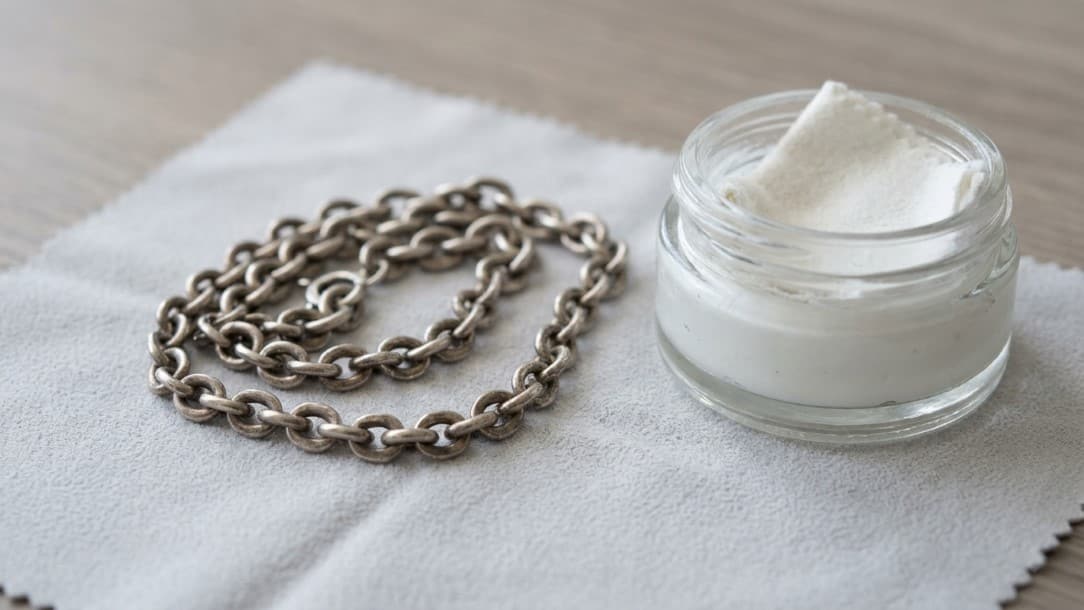
Tarnish is one of the most common problems with silver jewelry. It shows up as a thin dark layer that forms on the surface after contact with sulfur compounds in the air. During daily wear, sweat, perfume, cream and other environmental factors can speed this up and dull the shine of the piece. For light tarnish, gently wiping with a microfiber cloth can help reduce the thin layer, and doing it regularly keeps the necklace looking cleaner. For heavier discoloration, a mixture of baking soda and water can be used. Mixed into a paste, it can be applied carefully to the surface to soften the dirt and oxide layer. Then rinse well with plenty of water to remove all residue. It is very important to dry the piece completely after cleaning, because new tarnish is known to form faster on surfaces that stay damp. Pieces with natural stones, that is, natural stone necklaces, need a more careful approach. Some natural stones are thought to be more sensitive to strong chemicals or abrasive treatments, so softer and more controlled cleaning methods are best for these pieces. With a regular care habit, tarnishing slows down and the silver stays bright and attractive for longer.
How to Polish a Silver Necklace at Home?
A silver necklace can lose its dull look and regain a livelier appearance with simple, regular care at home. A mixture of warm water and a small amount of liquid soap in a bowl is a suitable solution for everyday cleaning. Leaving the necklace in this mixture for a short time helps soften the dirt and oil that have built up on the surface. Then wiping it gently with a soft, clean cloth cleans the surface without damaging it. During this process, it is very important to stay away from products with heavy chemicals, because they can cause lasting damage or discoloration on silver. Avoid harsh handling, especially on delicate pieces with fine craftsmanship or sensitive details. Light cleaning at regular intervals can slow heavy tarnish and help the silver keep its attractive look for longer.
How to Restore the Color of a Silver Necklace?
Surfaces that have lost their shine need careful care to bring back their vibrancy. A layer of built-up dirt and signs of oxidation can overshadow the natural look of the metal over time. Wiping regularly with a clean, soft cloth can reduce the dull look on the surface. In some cases, baking soda, soapy water or special polishing cloths can be used. Avoid pressing too hard while cleaning. Protecting the surface helps you get better results in the long run. Jewelry that gets regular care is known to look livelier and more attractive.
How to Polish a Silver Necklace at Home with Everyday Items?
Some materials found easily in the kitchen can help with care. Warm water, mild soap and a soft cloth are often considered enough for basic cleaning. Gently removing the dirt on the surface can give a cleaner look. After cleaning, rinse carefully and dry the piece completely with a dry cloth. Jewelry left damp can dull and change color faster. Building a regular care habit helps keep the piece looking attractive.
Polishing a Silver Necklace in a Home Setting
Regular care at home can help silver jewelry look cleaner and shinier. Dust, oil and other residue from daily wear build up on the surface over time and create a dull look. For this reason, light cleaning at regular intervals can be useful. A gentle cleaning mixture made with warm water can help loosen the dirt on the surface. Soft-textured cloths are recommended to reach all the details of the piece. Choosing gentle methods over harsh chemicals and abrasive materials is known to protect the surface better. Jewelry that is fully dried after cleaning and stored in suitable conditions keeps its attractive look for longer.
How to Polish Silver Necklaces and Rings?
Necklaces and rings made of silver have similar care needs, but they can get dirty to different degrees depending on how they are worn. Rings in particular come into contact with more things during the day, so oil, soap and other residue can build up on them. Necklaces, on the other hand, can dull from perfume, cream and sweat. For both, gentle cleaning is the better choice. Regular care with soft cloths can help reduce the dull look on the surface. It is also important to store the pieces separately after cleaning. Pieces that touch each other can get scratched by friction. With regular care and the right storage conditions, you can keep an attractive look for longer.
How to Polish a Silver Chain Necklace?
Chain models have many links, so they can trap dirt and residue more easily. Dust and oil that build up between thin links can reduce the shine over time. For this reason, you need to clean not only the outer surface but also the areas around the links with care. Chains left in warm water for a short time loosen residue more easily. Gently wiping with a soft cloth afterward can improve the look. Avoid hard pulling and bending, which can damage the chain. Regular care reduces heavy dirt buildup around the links and keeps the chain looking brighter.
How to Polish a Silver Necklace That Looks Rusty?
Technically, silver does not rust like iron. Even so, surfaces left without care for a long time can develop dark spots that look like rust, along with heavy oxidation. In these cases, you need a more careful cleaning process. Trying to scrape off the built-up layer harshly can damage the surface. Gentle cleaning methods are the better choice instead. Light mixtures of baking soda and water can help reduce heavy dullness on the surface in some cases. After cleaning, it is important to rinse the piece well and dry it completely. For pieces neglected for a very long time with advanced discoloration, you may also consider professional care services. Regular care can lower the chance of this kind of heavy surface change.
How to Polish a Necklace Chain?
Necklace chains are always in motion, so they often touch different surfaces while worn. Over time, this can reduce the shine and give the chain a dull look. With thin chains, it is very important to be gentle while cleaning. Rough movements can damage the links. Wiping regularly with a soft cloth can help remove the layer of dirt on the surface. Storing the chain dry after cleaning also helps keep its look. Jewelry left in damp places is known to change color faster. With the right care habits, the chain can keep its attractive look for longer.
Ways to Keep Your Silver Necklace Shiny for a Long Time
Cleaning silver jewelry matters, but making the clean look last matters just as much. Wiping the piece with a dry cloth after daily wear can help remove sweat and residue from the surface. We recommend not applying perfume, hair spray or cosmetics directly onto jewelry. Some ingredients in these products can cause discoloration over time. Limiting contact with air when you are not wearing the piece can also help. Pieces kept in closed boxes or special jewelry pouches keep their shine for longer. With a regular care habit, you may be able to prevent heavy tarnish and dullness.
What to Watch Out for When Cleaning a Silver Necklace
Some mistakes made during cleaning can leave lasting marks on the surface. Hard brushes, abrasive sponges and strong chemical products can scratch silver surfaces. For this reason, gentle care is the better choice. Be more careful with designs that contain natural stones. Some natural stones are thought to be sensitive to certain cleaning products. For pieces with stones, we recommend using the gentlest methods possible. Drying the piece completely after cleaning and not leaving it damp is also an important part of the care process. With the right practices, the piece keeps its attractive look for longer.
Why Regular Care for Silver Necklaces Matters
Regular care can help silver jewelry stay close to how it looked on day one. On surfaces that go uncleaned for a long time, dirt and an oxide layer build up and can lead to heavier discoloration. Light cleaning at regular intervals can prevent this buildup. During regular care, you can also check the links and the clasp. This gives you an advantage not only in looks but also in safety of use. Care habits backed by suitable storage can help silver jewelry last longer.
Frequently Asked Questions About Polishing a Silver Necklace
Why does a silver necklace tarnish?
When a silver necklace comes into contact with air, moisture and substances containing sulfur, oxidation forms on its surface. This natural reaction darkens the silver and gives it a dull look over time. Sweat, perfume and cosmetics can speed up the process.
How can you reduce tarnish on a silver necklace?
Regular cleaning and the right storage conditions can reduce tarnish. Wiping the necklace with a soft cloth after use and keeping it in an airtight box helps the surface stay shiny for longer.
How do you clean a silver necklace at home?
You can clean it gently with warm water and a small amount of soap. Wiping it with a soft cloth and then drying it completely prevents damage to the surface and helps keep the shine.
Does baking soda damage a silver necklace?
Used correctly and without pressing too hard, baking soda can help remove light tarnish. Hard scrubbing can scratch the surface, so apply it with care.
Why does a silver necklace turn dull?
Dirt, oil and environmental effects that build up during daily wear can reduce the shine of silver. Moisture, sweat and air pollution in particular can speed up the dulling.
What happens if a silver necklace gets wet?
Short contact with water usually does no serious harm. However, constant exposure to water, or contact with water that contains chemicals, can speed up oxidation.
How should a silver necklace be stored?
Silver necklaces should be stored in dry places with little contact with air. Closed boxes or special pouches can slow tarnishing and help protect the surface.
How do you clean silver necklaces with stones?
Models with natural stones call for gentler cleaning methods. Harsh chemicals can damage some stones, so soapy water is generally considered the safer choice.
Can scratches on a silver necklace be removed?
Light surface scratches can be reduced with special polishing cloths. Deep scratches may need professional care, which can give more lasting results.
Why does a silver necklace turn black?
Sulfur compounds in the air react with silver and form a dark layer on the surface. This is regarded as a natural oxidation process, and regular care can reduce it.