How to String Prayer Beads
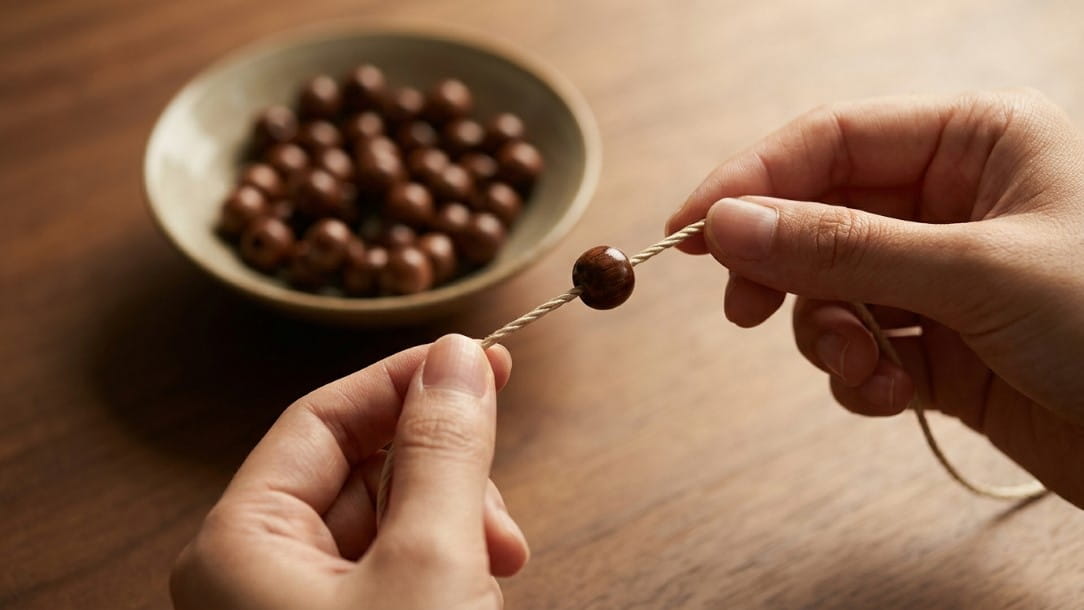
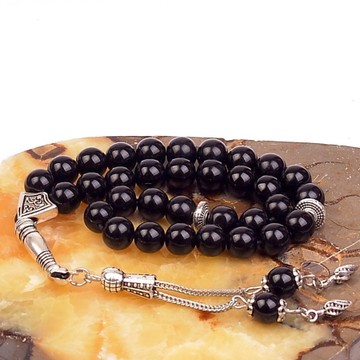
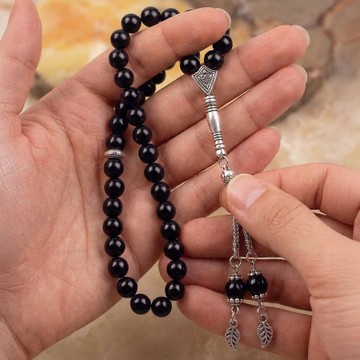
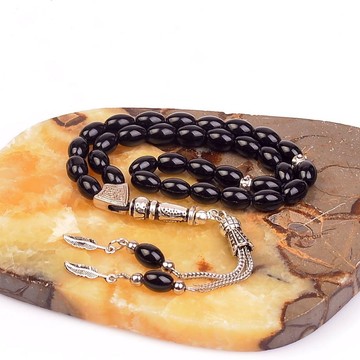
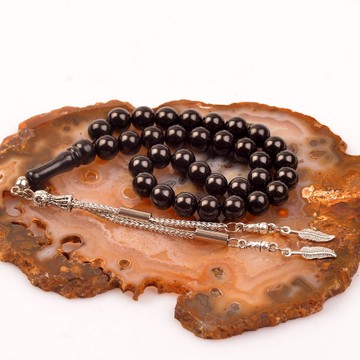
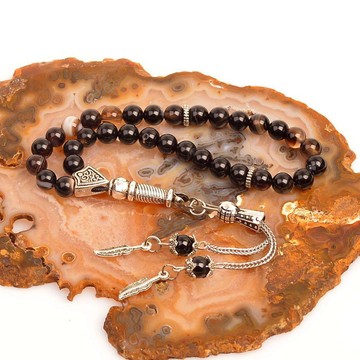
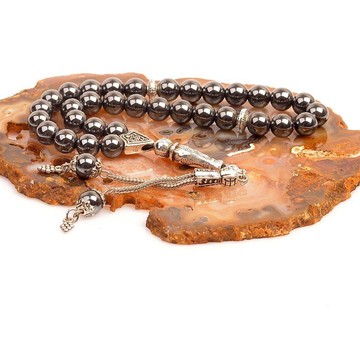
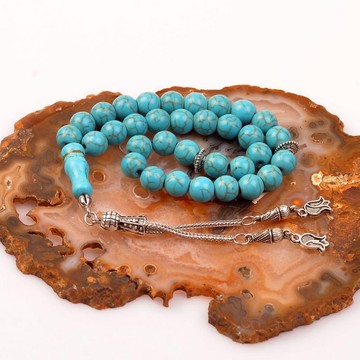
Stringing prayer beads (tasbih) is a fine, detailed craft in which beads are threaded onto cord in a set order and finished with the imame (the lead bead). Before you start, count the beads and choose a cord whose thickness fits the bead holes. This matters even more for natural stone prayer beads, because the hardness, weight, and hole structure of the stones can differ, so cord choice and stringing need extra care. As you thread the beads, leave a balanced amount of play between them. It helps both comfort in use and appearance. A symmetrical, even structure for prayer beads lets them run smoothly in the hand and supports their visual harmony. When all the beads are on, add the imame, knot the ends securely, and finish with a tassel if you like. Stringing done with the right technique gives you prayer beads that are long-lasting, balanced, and comfortable to use.
How to String 33-Bead Prayer Beads
For 33-bead models, count out the beads first and thread them in order onto a cord of the right length. Keeping all the beads facing the same direction gives a neater look. Once every bead is on, move to the imame and bring the ends together there. When the knotting is done, you have a prayer bead strand that is comfortable in the hand, balanced, and tidy.
How to String Small-Hole Prayer Beads
When working with small-hole beads, choose thin cords or a special prayer bead needle. Stiffening the cord tip helps the beads pass more easily. Do not rush, because narrow holes put the beads at risk of damage. With careful work, all the beads fall into line and the assembly is complete.
How to String Prayer Beads in the 33-Count Style
When preparing 33-count models, first make sure the set of beads is complete. Thread the beads one at a time and keep the same spacing throughout. When you reach the imame, bring the ends together to make a strong connection. Do not leave the cord too tight, so the beads move freely in use.
How to String Prayer Beads in the 33-Piece Style
For 33-piece models, even spacing and balanced knotting matter most. After all the beads are on the cord, reinforce the connection points. Adding the imame and a tassel completes the design. Beads that move freely improve comfort in use and give a more polished look.
How to String Fine-Hole Prayer Beads
Fine-hole beads call for careful work. For this reason, choose cords that are as thin and durable as possible. If needed, a beading needle can make the job easier. Once the beads are threaded in order, reinforce the connection points and tighten the knots carefully so the prayer beads last a long time.
How to String Prayer Bead Cord
The foundation of a quality prayer bead strand is the right cord. Prepare the cord to suit the number and weight of the beads. Then thread the beads in the planned order. Because the cord's flexibility and strength directly affect how long the strand lasts, choose sturdy materials. Finish by knotting to complete the assembly.
How to String 500-Bead Prayer Beads
Models with 500 beads are quite long, so they need careful planning. Prepare the beads in groups to make counting easier. Use durable cord that resists breaking. After the long stringing process, reinforce the connection points and check the whole strand before it is ready to use.
How to String Kuka Prayer Beads
Kuka beads are a popular choice for prayer beads because of their natural structure. Before stringing, make sure the holes are clean and even. Thread the beads in order onto a cord of suitable thickness. An imame and tassel that match the wooden look give the piece a cohesive finish. With proper assembly, you get a durable and stylish piece.
How to String Prayer Tasbih
Models used for prayer are usually made with 99 beads. Spacer beads set at regular intervals divide the strand, which makes counting easier during use. Once all the parts are in place, add the imame and knot the cord. Use good quality cord to build a sturdy strand.
How to String Patterned Prayer Beads
Patterned models use parts of different sizes or designs at set intervals. Before you start stringing, prepare a layout plan. Thread the beads to match the plan and check each section carefully. In the last step, bring all the parts together for a neat, professional look.
How to String a Prayer Bead
Count the beads before use and sort them by size. Then thread them one by one onto the chosen cord. As you string, leave enough room that the beads do not rub against each other and get damaged. When all the parts are in place, add the connecting elements and bring the piece to its final form.
How to Thread Prayer Beads onto Cord
To thread the beads, first prepare a cord of suitable length and strength. As you pass the beads on in the set order, take care to keep the pattern. When every bead is on, attach the imame and tie the ends securely. After a final check, you have a prayer bead strand that is both attractive and durable, ready to use.
Frequently Asked Questions About Stringing Prayer Beads
What materials do I need to string prayer beads?
To string prayer beads you use beads, prayer bead cord, an imame, a tassel, and, when needed, a beading needle. Good quality materials make the finished strand more durable.
What should I look for when choosing prayer bead cord?
The cord's thickness should match the bead holes. A cord that is too thick will not pass through the beads, while one that is too thin can break over time. Durable, flexible cords last longer in use.
How do I string small-hole beads more easily?
With small-hole beads, a fine-tipped needle or a stiffened cord end makes the job easier. This way the beads pass through more comfortably and you save time.
Should the beads be tight or loose when stringing prayer beads?
The beads should be neither too tight nor too loose. Leaving enough room for them to move freely improves comfort in use and helps the prayer beads look better.
At what stage is the imame attached?
The imame is attached after all the beads are on the cord. Because it is the point where the two ends of the strand meet, it needs to be fastened carefully.
What should I watch for when preparing 99-bead prayer tasbih?
The bead count must be correct, and spacer beads should be placed at regular intervals. This layout makes counting easier during use.
What kind of cord is best for Kuka beads?
Choose a sturdy, flexible cord that suits the weight of the Kuka beads. This lowers the risk of breaking or loosening over long-term use.
How do I make the prayer bead knot more secure?
You can tie more than one securing knot and tighten the knot points carefully. This greatly reduces the chance of the strand coming undone.
Do the beads need to be strung in the same direction?
Especially with carved or specially cut beads, keeping the same direction helps give a neater, more attractive look.
What should I do after finishing stringing the prayer beads?
Once stringing is done, check the knots, see whether the beads move freely, and test the strength of the connection points.