How to Tell if a Diamond Is Real
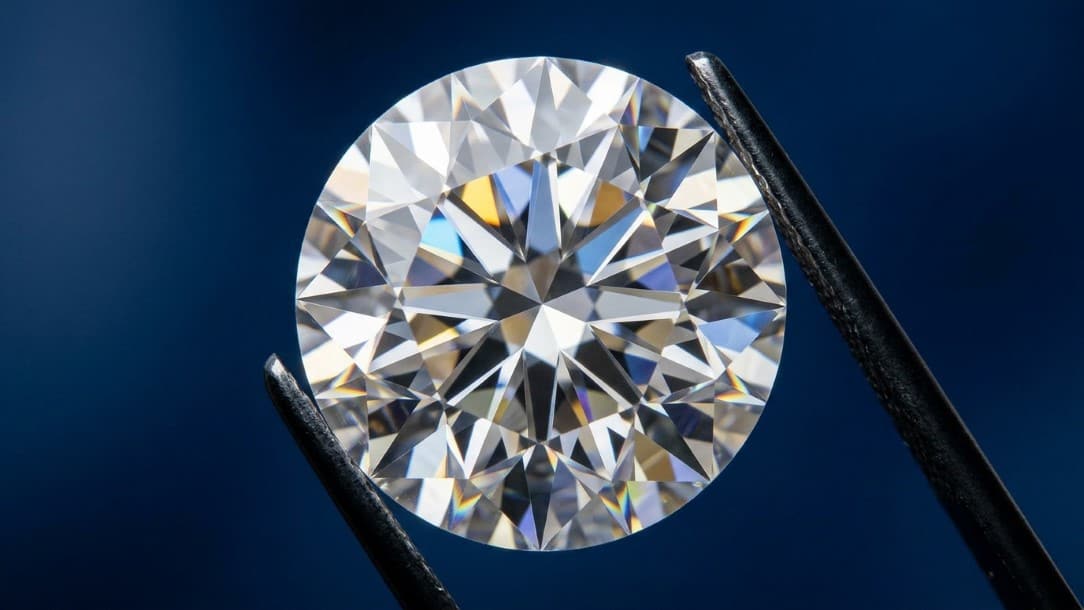
Diamond is a precious mineral considered distinct from other stones for its high hardness and the way it bends light, so no single feature is enough to identify one. Identifying a diamond means weighing its brilliance under light, its surface hardness and the natural marks in its inner structure together. A diamond bends light strongly and produces a "fiery" sparkle, which tends to look more artificial in most imitation stones. Because the surface of a diamond is extremely hard, it does not scratch easily, and this is regarded as an important distinguishing feature in everyday observation. When the form known as diamond stone is used in jewelry and decorative pieces with different cutting techniques, its light performance can become more noticeable. Some natural stones can show a brilliance similar to a diamond, so careful observation is needed when telling them apart. Even so, professional examination methods are known to be more reliable for a definite answer.
How to Tell if a Diamond Is Genuine
A genuine diamond differs from other stones in how it refracts light and in its hardness, which is why it calls for careful observation. A genuine diamond both reflects and bends light, creating a sense of depth from within. This is an important feature that sets it apart from glass or synthetic stones. Genuine diamonds may contain very small inclusions left by their natural formation, and these marks are taken as a sign of the stone's authenticity. A surface that is smooth yet extremely hard is also considered an important criterion for recognizing a genuine diamond.
How to Identify a Raw Diamond
A raw diamond is a diamond in its unprocessed form, as taken from nature, and it can look much more matte and rough than a polished cut. At first glance, such diamonds can look like an ordinary stone, but they are considered distinct from other minerals because of their hardness. The surface of a raw diamond often lacks a glass-like shine and shows a more natural, angular and irregular structure. Because of how it occurs in nature, it may be found together with traces of other minerals, and this is treated as an important clue for recognizing its raw form.
How to Identify a Diamond Stone
The structure described as diamond stone is used to refer to the processed or natural form of a diamond, and the most important criteria for recognizing it are hardness and light performance. Because a diamond stone bends light so strongly, it gives off a distinct brilliance, and this brilliance looks sharper than that of other stones. Its surface is extremely durable and highly resistant to scratches. The natural formation marks in its inner structure and its crystal form also give clues about the authenticity of a diamond stone.
How to Identify a Black Diamond
A black diamond looks different from classic transparent diamonds because of its opaque structure, so it can be harder to identify. Because it lets little light through, its brilliance appears mostly as surface reflection. Surface texture and the feeling of weight play an important role in identifying a black diamond, since this stone is considered to have a dense structure. Natural black diamonds are thought to contain microscopic mineral content, which can keep the stone from looking completely uniform.
How to Identify a Raw Black Diamond
A raw black diamond in its unprocessed state looks quite matte and natural, so it can be confused with ordinary stones. Even so, it is considered distinct from other natural stones because of its high density and hardness. Its surface is uneven and rough, which is an important sign of its raw form. Because it does not shine fully under light, it can look like an ordinary piece of rock at first glance, but differences appear when its structural features are examined.
How to Identify a Diamond in Nature
Spotting a diamond in nature is quite difficult, because in its raw form its outer appearance can resemble other minerals. Diamonds are considered to be found in riverbeds and kimberlite rock, where they occur alongside heavy minerals. Hardness is one of the most important factors in identifying a natural diamond, since it is more durable than many of the minerals around it. Natural fractures on its surface and its angular form are also notable features.
How to Identify a White Diamond
The white diamond is considered one of the best-known diamond types, and it bends light strongly to create high brilliance. These diamonds look close to transparent, and the small natural marks in their inner structure are taken as a sign of authenticity. Light dispersion is one of the most important criteria for identifying a white diamond, because a genuine diamond can reflect light with a rainbow effect and produce different tones.
How to Tell if a Stone Is a Diamond
A single test is not enough to tell whether a stone is a diamond, and several features usually need to be weighed together. Hardness, light refraction and surface structure are among the most important factors in this assessment. A diamond is considered able to scratch even glass, and most fake stones do not have this property. Whether the inner structure shows natural formation marks is also treated as an important criterion.
How to Check if a Diamond Is Authentic
To check whether a diamond is genuine, methods such as a light test, a hardness check and examination with a magnifier are usually used. A genuine diamond bends light to create a brilliance that shines in many directions, and this brilliance stays more limited in artificial stones. The inner structure of genuine diamonds may contain small flaws from the natural formation process, and this is taken as a sign that supports the stone's authenticity.
How to Spot a Fake Diamond
Fake diamonds are usually made from glass or synthetic crystals, so they do not bend light the way a genuine diamond does. Fake stones often show a more uniform brilliance and do not create a sense of depth. Their surface hardness is lower than that of a genuine diamond, so they are more likely to scratch. Stones that look visually flawless and perfectly smooth can also raise suspicion.
How to Tell if Apple Cider Vinegar Is Real
Real apple cider vinegar is considered a product that forms through natural fermentation and contains no artificial additives. It can look cloudy, and sediment at the bottom is regarded as normal. Its smell is sharper and fruity, while artificial products give off a flatter, more uniform acidic smell. Because of the natural fermentation process, its taste may also have a more complex character.
How to Identify a Red Diamond
The red diamond is considered a very rare type of diamond, known for its intense color. Color saturation and light reflection play an important role in identifying these diamonds. In natural red diamonds the color is not uniform, and different tone transitions can be seen. Although it shows similar brilliance to other diamond types, the intensity of its color is what makes it special.
How to Identify a Pure Diamond
A pure diamond is a diamond type with very few inclusions in its inner structure, or one considered almost flawless. These diamonds bend light extremely strongly and create high brilliance. As the level of purity rises, the transparency of the stone rises too, which increases its aesthetic value. However, completely flawless diamonds are known to be very rare in nature.
How to Identify a Diamond Found in Nature
Diamonds found in nature are in their raw form, so they can be mistaken for ordinary stones at first glance. Differences appear when features such as density, hardness and surface structure are examined. Natural diamonds are often angular and irregular, and they are more durable than the minerals around them. For this reason, spotting a diamond in nature is considered a process that requires expertise.
Frequently Asked Questions About Identifying Diamonds
How can you tell if a diamond is real?
Identifying a diamond usually does not depend on a single feature. Light refraction, hardness and the natural marks in the inner structure are weighed together. A genuine diamond bends light in many directions to create strong brilliance, and most fake stones do not show this in the same way.
How do you tell a real diamond from a fake one?
A real diamond shows a more natural, deeper brilliance, while fake stones usually reflect a shallower, more uniform light. The hardness of a real diamond is very high and it is very hard to scratch, whereas fake stones are less durable.
What does a raw diamond look like?
A raw diamond is usually unprocessed, so it looks matte, angular and irregular. It does not sparkle like a polished cut diamond and often looks like an ordinary stone. However, it differs in density and hardness.
Why are diamonds so valuable?
The main reasons a diamond is considered valuable are its rarity, its high hardness and its aesthetic brilliance. The long, natural formation process also adds to the perception of value. These qualities give it a special place in jewelry and investment.
How does a diamond bend light?
A diamond bends light very strongly thanks to the crystal order of its inner structure. The brilliance that results can produce colorful reflections from different angles. This creates an effective sparkle, also described as "fire."
Is a diamond always transparent?
A diamond does not always have to be completely transparent. Diamonds can be found in different color tones in nature. Natural marks in the inner structure and color differences can show that a stone is not entirely flawless.
Can a diamond be scratched?
A diamond is considered one of the hardest materials in nature, so it is very difficult to scratch. It is thought to be scratchable only by other very hard materials. This is one of the most important criteria that set it apart from other stones.
Where are diamonds found in nature?
Diamonds are usually found in rock formations called kimberlite and in ancient volcanic regions. They can also turn up in some riverbeds after being carried there. Even so, finding one in nature is very difficult and rare.
Why does a diamond shine?
A diamond's brilliance comes from its capacity to bend and reflect light. The crystal order of its inner structure spreads light at different angles, which creates a strong sparkle. This makes it highly valued for its looks.
Can you tell if a diamond is real at home?
Observations made at home can give some clues, but they are not enough for a definite result. Features such as light refraction and hardness can offer an idea, but a definite confirmation is not possible without professional tests.