How Can You Identify Amber Prayer Beads?
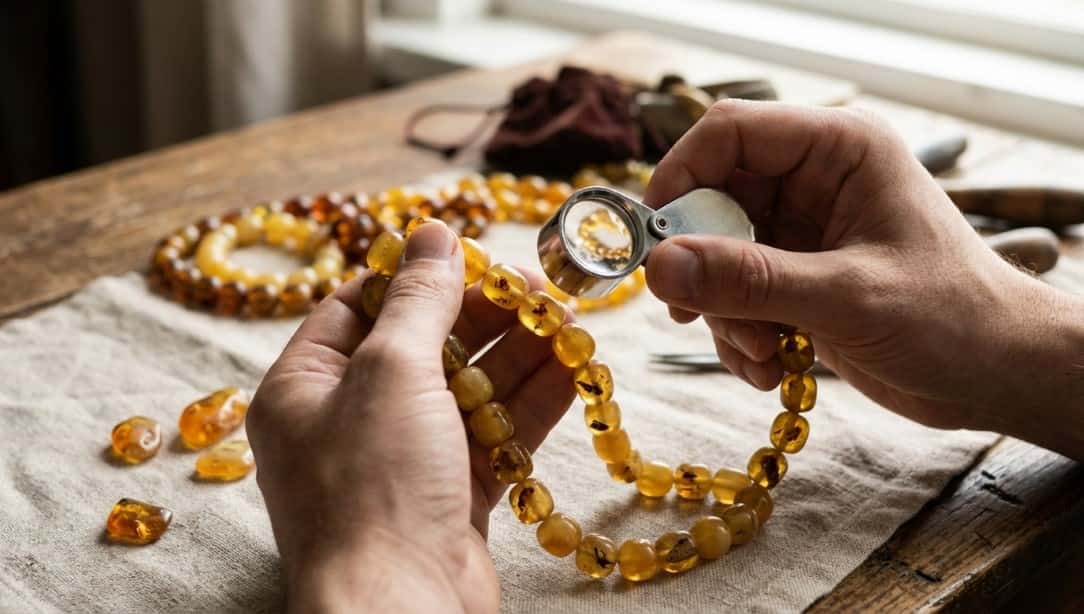
No single method gives a certain answer on whether amber prayer beads are real. Natural amber and processed or synthetic-looking products differ in how they form and how they are made, so a many-sided assessment is needed. This assessment looks at light transmission, internal texture, color transitions, surface feel, perceived weight, and changes that appear with use over time. Natural amber does not look perfectly smooth and flawless like a glass surface. Instead it shows microscopic waves, small air pockets, differences between inner layers, and natural transitions in color intensity, which are thought to come from its formation. These structural features are counted among the most important visual signs of its organic origin. Under light, natural amber shows a translucent depth rather than full transparency, with areas of different density inside, and the light passes more intensely through some areas and more softly through others. This is one of its characteristic traits and gives the piece a layered look rather than a flat one.
How the material reacts in the hand is another important criterion. Amber is considered to take on ambient heat quickly and feel warm within a short time. As friction increases, the surface becomes smoother and more fluid to the touch. With long use, the surface gains a brighter, more settled look. These changes are linked to natural processes. They happen gradually over time, not suddenly, and this too is counted among the material's characteristic traits. The color moves softly between honey, yellow, orange, and red tones rather than staying one fixed shade. It shifts with the light and looks different in depth from different angles, and these points are read in favor of a natural structure. Synthetic or processed products, by contrast, look overly uniform, single-colored, and artificially glossy, with no natural marks inside. Their surface can seem too "perfect," and the changes seen in natural amber over time tend to be more limited. This is considered one of the clearest differences between the two.
How Can You Identify Fire Amber Prayer Beads?
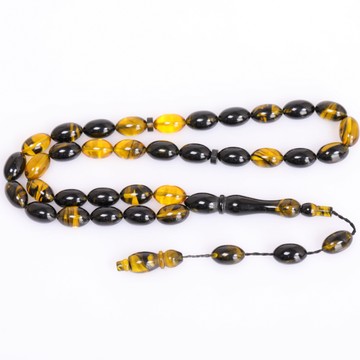
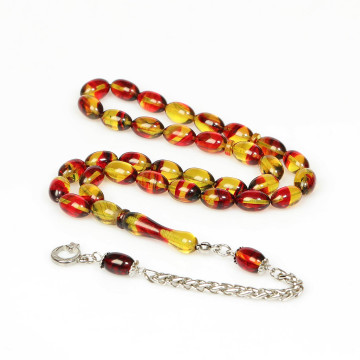
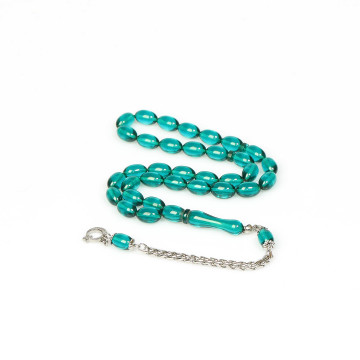
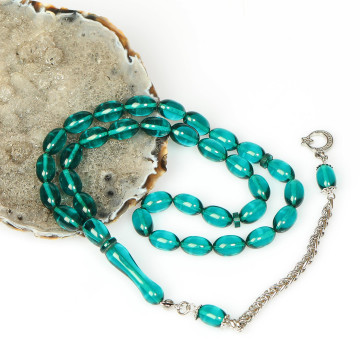
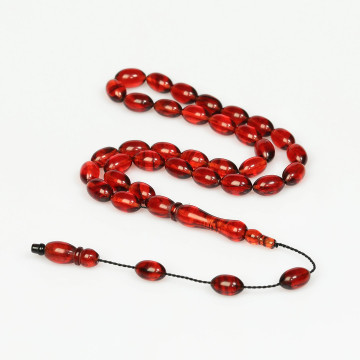
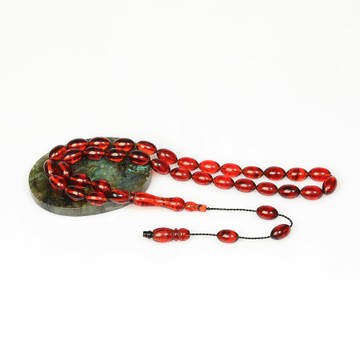
The prayer beads known as fire amber stand out for their very shiny, vivid, eye-catching colors. These colors are considered to have an intense look close to red, orange, and dark honey tones. Most of this type is thought to be made from processed resin or synthetic material rather than natural amber, so a more uniform, regular, visibly even inner structure is a common feature. Under light, the color saturation gives a sense of depth. Unlike the irregular layers of natural amber, though, this depth shows a more controlled, production-made evenness. Under strong light in particular, an inner structure that looks too regular and lacks natural formation marks is treated as an important sign for telling this type apart. In the hand, the surface heats up quickly with friction, feels slicker and shinier as it warms, and shows a slight static electricity effect when held for a long time. As use increases, the surface also becomes noticeably glossier and the material takes on a more "glass-like" feel. Taken together, there is a general view that fire amber types are visually attractive but more uniform and processed in character.
How Can You Tell If Amber Prayer Beads Are Original?
One of the clearest features of amber prayer beads regarded as original is that the material is not completely flawless and uniform. Instead it carries irregular, organic marks thought to come from the natural formation process. Small air pockets visible to the eye or under light, slight waves, layers of different density, and soft but clear shifts in color transitions are counted among the important signs that this type may have a natural structure. This structure differs from the overly uniform, glass-like perfect surface often seen in synthetic products, and it gives a more "alive," more natural sense of depth. Under light, it shows a translucent structure instead of full transparency. The light spreads with more intensity in some areas and more softly in others, and different densities can be felt in the inner layers. These are also important visual criteria that strengthen the impression of natural amber. In the hand, it takes on ambient heat quickly and gives a mild warm feeling. With this warmth the surface gains a softer, slicker texture and feels more settled as use goes on. The surface shine increases naturally over time, and the color takes on a deeper, richer look. These points are counted among the signs of amber's structure changing with use.
How Can You Tell If Amber Prayer Beads Are Genuine?
In products considered genuine amber, structural marks thought to belong to a natural resin origin and signs of organic formation are counted as an important distinguishing feature. Instead of a completely uniform, flawless inner layer, such prayer beads show a look where different densities sit together. Color transitions move in a soft, natural flow, not with hard edges. Under light in particular, amber shows a translucent structure that gives a sense of depth rather than one-dimensional transparency. The light travels more intensely in some areas and more diffusely in others, and the inner texture gives a layered impression. These are counted as important visual criteria that raise the likelihood of natural amber. In the hand, it takes on ambient heat quickly and gives a clear warm feeling. As friction increases, the surface turns smoother and more fluid, and with long use it becomes more settled, shinier, and smoother. As use continues, the color tones deepen slightly and the surface shine increases. These changes are also counted among those linked to amber's natural structure.
How Can You Tell Whether a Set of Prayer Beads Is Amber?
No single feature is enough to tell whether a set of prayer beads is amber. Instead, light transmission, sense of weight, surface texture, and reaction during use are assessed together. Natural amber stands out for its light feel, and this lightness is seen as an important clue for separating it from dense, compact synthetic materials. Under light, it shows a translucent structure rather than a fully opaque or fully transparent one. The light passes through inner layers of different density and creates a sense of depth that looks layered, not uniform. These are visual criteria that raise the likelihood of natural formation. Small air pockets, slight waves, and natural irregularities in color transitions, in place of a perfectly flawless order, are also an important indicator. This is linked to the idea that the material was shaped by environmental effects while it formed. In the hand, it takes on ambient heat quickly and gives a clear warm feeling. With friction, the surface gets slicker, and with long use it gains a natural shine. These changes happen gradually over time, and the material takes on a more "settled" look with use. This too is counted among the important signs of amber's natural structure.
How Can You Identify Drop Amber Prayer Beads?
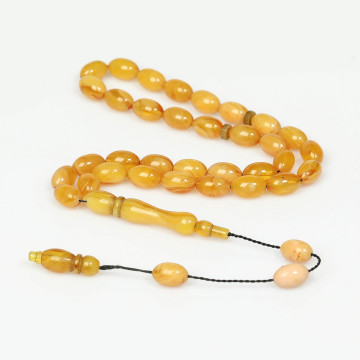
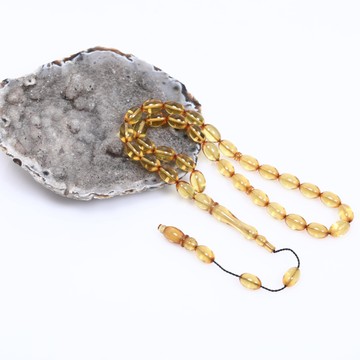
In types known as drop amber prayer beads, the marks thought to come from the natural formation process are considered easier to see than in some other types. Inside, instead of a completely uniform look, there may be small air pockets, microscopic organic remnants, and wavy shape transitions thought to come from natural flow. These features are seen as supporting the view that the material formed over a long time and was shaped by outside factors. Under light, drop amber is thought to offer more than surface shine. It gives a sense of depth that reaches into the inner layers, and the light bends at different intensities to create a layered impression inside the material. Color transitions that are soft and fluid, not sharp-edged, and tones that spread naturally between honey, yellow, and light orange are also counted among this type's distinguishing features. In the hand, the surface becomes smoother and shinier over time, the touch softens, and with warmth the piece takes on a more settled structure. These changes are linked to the natural structure of drop amber.
How Can You Identify Original Fire Amber Prayer Beads?
In prayer beads known as original fire amber, very intense, vivid, eye-catching color tones stand out. These colors are considered to create a strong visual effect close to red, orange, and dark honey tones. This type is often thought to be made from processed resin-based or synthetic materials rather than fully natural amber, so a more uniform, regular, controlled look appears inside. Under light, it offers high shine and deep color saturation. The light spreads through the material more evenly and smoothly, and unlike the irregular layered structure of natural amber, it creates a steadier visual effect. These are counted among this type's distinguishing features. In the hand, friction quickly brings a warm feeling. Because of this warmth, the surface gets slicker and more glass-like, and long contact brings a clear rise in shine. It can also cause a slight static electricity effect and, as use goes on, a more "polished" look. These are counted among this type's characteristic traits.
How Can You Identify Authentic Amber Prayer Beads?
In products regarded as authentic amber, structural marks thought to come from a natural formation process lasting millions of years are seen as an important criterion. In these structures, instead of a perfectly flawless and uniform inner texture, you notice irregular air pockets, areas of different density at microscopic level, soft but clear waves in color transitions, and a layered structure that follows natural flow. These features are counted as basic signs for separating the material from synthetic or heavily processed products. Under light, a translucent sense of depth in place of full transparency, and light that bends differently in different parts of the inner structure, are also visual elements that raise the likelihood of natural formation. In the hand, it takes on ambient heat quickly and gives a mild warm feeling. With friction the surface turns softer and slicker, and with long use it takes on a look that grows shinier and more settled. Over time, the color tone becoming deeper and richer, the surface going through a natural polishing with use, and the touch becoming more fluid are also counted among the characteristic changes linked to authentic amber.
How Can You Tell Whether a Set of Prayer Beads Is Amber?
This distinction comes from examining visual and physical features together. Light transmission, surface structure, and feel in the hand are counted among the key criteria. Natural amber stands out for its light weight and translucent look, while synthetic products can show a more uniform, artificial shine.
How Can You Identify Genuine Fire Amber Prayer Beads?
In products regarded as genuine fire amber, a bright, intense color structure stands out. Giving a sense of depth under light and showing a uniform look inside are among this type's distinguishing features. During use, the surface getting slicker as it warms in the hand is also a commonly observed effect.
How Can You Tell If Amber Prayer Beads Are Original?
In judging originality, irregularities that belong to a natural structure are an important criterion. Small air pockets and color transitions are expected inside, in place of a flawless look. A translucent structure under light and a gain in shine over time during use are linked to natural amber.
How to Identify Amber in Prayer Beads
A general assessment weighs light transmission, a sense of lightness, and surface structure together. Natural amber has a translucent structure, and different densities can be seen in its inner layers. Feeling warm in the hand during use and gaining surface shine over time are also known traits.
How Can You Tell Amber Prayer Bead Types Apart?
Amber prayer bead types are separated by features such as color, density, and light transmission. Types such as fire, drop, and pressed amber differ both in look and in feel during use. Each type is considered to have its own structural traits, and these differences play an important part in the assessment.
How Can You Verify Original Amber Prayer Beads?
The originality of amber prayer beads cannot be settled with certainty through a single test or a single visual feature. Instead, the material's structural features, its behavior under light, its feel in the hand during use, and the changes it shows over time are assessed together. In structures considered natural amber, the inner surface is expected not to be completely flawless and glass-smooth. It should instead show slight waves thought to come from the formation process, microscopic air pockets, small differences in density, and natural irregularities in color transitions. Such details are treated as an important sign for separating the material from synthetic production, because synthetic products usually look more uniform, overly even, and artificially glossy. Light transmission is also an important criterion here. Natural amber mostly looks translucent rather than fully transparent. Looking at it under light, you can notice a sense of depth created by different densities in the inner layers, and this depth gives the impression that the material is layered, not a single piece.
How it reacts in the hand also matters in the assessment. Amber is commonly observed to take on ambient heat quickly and feel warm when held, to turn slicker as friction increases, and to gain a natural shine after long use. This shine develops gradually with time and the intensity of use, not suddenly, and it is read as the material giving an "alive" surface response. Color is another important indicator. In types regarded as natural, honey, yellow, orange, and red tones sit together with soft transitions instead of one fixed color. The colors are not split by hard edges, and the tone shifts with the light. This is read as a strong sign of naturalness.
Surface texture also plays an important role in judging originality. The surface of natural amber is usually not entirely flawless. It can have very small natural roughness, slight surface breaks, and irregularities tied to its formation. These are often accepted as part of natural formation, not as defects. As use goes on, the surface can become more settled, softer, and slightly oily to the feel. This change is read as the material responding to its environment over time, and it is counted among the points that support the impression of natural amber. Taking all these features together allows a sounder and more complete assessment of the originality of amber prayer beads.
How Can You Identify Ottoman Amber Prayer Beads?
When amber prayer beads are thought to date from the Ottoman period, both the material and the craftsmanship are examined together. Darker, deeper color tones are generally understood to develop over time, and these colors are considered to become more characteristic the longer the beads are used. Years of contact can leave the surface naturally worn and, at the same time, slightly glossy, and this is regarded as a sign that supports the age of the piece. In models believed to be handmade, small irregularities that are not seen in modern production, uneven but pleasing transitions in form, and traditional lathe marks stand out. These details are taken to give an idea of both the production methods of the period and the history of use.
How Can You Tell Pressed Amber Prayer Beads?
Pressed amber prayer beads are thought to be made by processing natural amber pieces or powder and reshaping them. For this reason, they can look denser, tighter and more uniform than natural amber. The irregularities seen inside natural amber may be less visible, but they are also expected to look clearly different from plastic. Important features include a semi-translucent body under light, a sense of depth, and soft color shifts in the inner layers. Warming up in the hand, a slight static effect, and a surface that grows softer and glossier over time are also commonly observed traits.
How Can You Tell Old Amber Prayer Beads?
The effect of time is quite visible on amber prayer beads that have been used for many years. It is normal to find both a natural shine and slightly matte patches on the surface. Over time, the color often turns darker, deeper and more settled. Constant contact with the hand makes the surface smoother and slicker, and small signs of use add a natural charm. These changes are considered important clues to the age and history of the piece.
How Can You Tell Old Ottoman Amber Prayer Beads?
With these pieces, historical value and physical features are considered together. Prayer beads believed to come from older production techniques may show hand-worked details, slight departures from symmetry, and marks of craftsmanship that reflect the period. The depth of color that develops over time, natural transitions toward darker tones and a gentle gloss on the surface are regarded as key features that set this type apart. Micro-wear from years of use, a natural harmony between the beads, and the settled feel in the hand are also taken into account during evaluation.
How Can You Tell Iranian Amber Prayer Beads?
Amber believed to be of Iranian origin stands out for its warmer, honey-like, semi-translucent tones. Natural waves inside the material, different depths visible under light, and softly spread color transitions are regarded as distinguishing features of this type. A slight warming sensation in the hand and a glossier surface over time are also known traits. For these pieces, the balance between the natural look and the worked form is an important criterion.
How Can You Tell Good-Quality Amber Prayer Beads?
One of the most important criteria in judging quality is the balanced structure of the material. Pieces that are not overly flawless but keep their natural look are considered more valuable. A balanced feel in the hand and a surface shine that increases over time are also seen as signs of quality.
How Can You Tell Amber Prayer Beads?
In a general evaluation, translucency, a sense of weight and surface texture are examined together. Natural amber is considered light and appears semi-translucent under light. A slight warming and a change in scent when rubbed are also known traits.
How Can You Tell Amber Stone Prayer Beads?
What is known as amber is, strictly speaking, not a stone but fossilized resin. For this reason, it shows different properties from mineral stones. The warm tones it gives under natural light and the natural marks inside are regarded as the main features that set it apart from stone.
How Can You Tell the Quality of Amber Prayer Beads?
When judging quality, color balance, surface craftsmanship and the feel in the hand are examined together. Models with more balanced color transitions and a natural look are considered higher quality. How the beads feel after long use in the hand is also regarded as an important criterion.
How Can You Tell Amber Prayer Beads by Their Scent?
With heat and friction, a faint resin-like scent is thought to appear. This scent is attributed to the natural material and is regarded as a helpful sign for telling it apart from plastic-based products. It is also known that the scent may not be equally strong in every piece.
How Can You Tell Fake Amber Prayer Beads?
Synthetic products stand out for an overly uniform structure and an artificial shine. The absence of natural waves and a very smooth surface are common in fake products. A lack of natural feel in use is also considered a distinguishing trait.
How Can You Tell the Types of Amber Prayer Beads?
Different types of amber vary in color, density and translucency. Types such as fire amber, drop amber and pressed amber are distinguished by these differences. Each type is considered to have its own visual and tactile characteristics.
How Can You Tell Red Amber Prayer Beads?
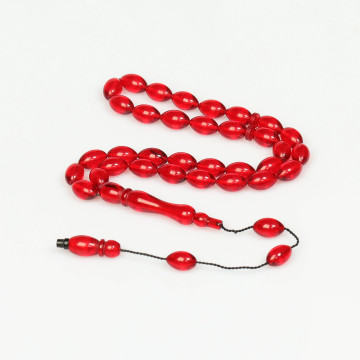
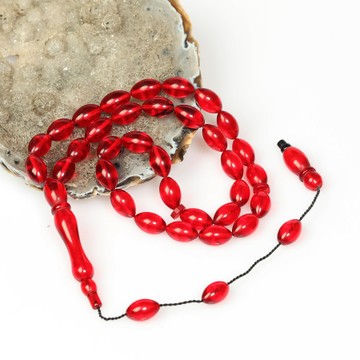
Models with red tones stand out for their intense color. Reflecting deeper tones under light and showing a slight color change with use are among the known features.
How Can You Tell Authentic Drop Amber Prayer Beads?
Natural amber known as drop amber may contain small natural marks and uneven transitions inside. This structure is linked to the material's natural formation process and is considered important in evaluation.
How Can You Tell Authentic Pressed Amber Prayer Beads?
In pressed types, the color can be more intense and uniform. However, a sense of controlled naturalness, rather than a completely artificial look, is the preferred quality. Warming up in the hand during use is also a known trait.
How Can You Tell Ottoman Pressed Amber Prayer Beads?
With this type, traditional production marks and the intense color of pressed amber are considered together. Surface changes and depth of color that develop after many years of use are among the features to watch.
How Can You Tell Yellow Amber Prayer Beads?
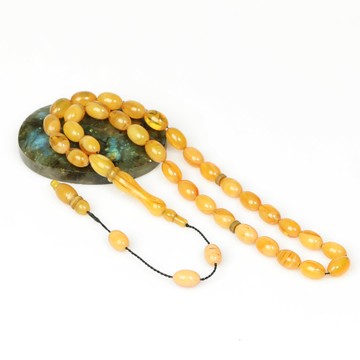
In models with yellow tones, translucency is quite pronounced. Lighter, warmer color tones are considered one of the features that reinforce the impression of natural amber.
How Can You Tell Amber in Prayer Beads?
Across all types, translucency, a light feel and surface changes that develop with use stand out as common criteria. Examined together, these features give a clearer idea about amber.
How Can You Tell Whether Prayer Beads Are Amber?
In the final stage, visual inspection, the feel to the touch and behavior in use are considered together. Natural materials change over time, while this change stays more limited in synthetic products. These differences are regarded as the basis for a general evaluation.
How Can You Tell Powdered Amber Prayer Beads?
In types known as powdered amber, the material can be denser and more uniform. This structure gives a different look because of the processed form. The feel in the hand and the behavior under light are considered important in evaluation.
How Can You Tell the Types of Amber Prayer Beads?
Different types of amber are distinguished by color intensity, translucency and structural features. Types such as fire amber, drop amber and pressed amber differ in both appearance and use. Each type is thought to offer its own feel, and these differences play an important role in evaluation.
How Can You Tell Red Amber Prayer Beads?
Models with red tones stand out for their intense, deep color. Showing a semi-translucent look under light and a slight shift in tone over time are among the known features. Color saturation can be quite pronounced in these types.
How Can You Tell Authentic Drop Amber Prayer Beads?
In types known as drop amber, natural formation marks can be more visible. Small particles or natural transitions inside are considered normal. A lively play of color under light and a surface that slowly gains shine during use are also known traits.
How Can You Tell Authentic Pressed Amber Prayer Beads?
In types called pressed amber, the color is more intense and uniform. However, a sense of controlled naturalness, rather than a completely artificial look, is preferred. A different feel as it warms in the hand and a static effect are also taken into account in evaluation.
How Can You Tell Ottoman Pressed Amber Prayer Beads?
In pressed amber types thought to reflect Ottoman-era production, the details of craftsmanship are an important criterion. Visible hand-production marks, color tones that deepen over time, and natural signs of use on the surface are regarded as the features that set this type apart.
How Can You Tell Yellow Amber Prayer Beads?
In models with yellow tones, translucency is quite pronounced. The dominance of lighter, warmer tones reinforces the impression of natural amber. A slight change in color tone during use is also a known trait.
How Can You Tell Amber in Prayer Beads?
In a general evaluation, translucency, a light feel and surface structure are examined together. Changes that develop over time in natural materials, and the added shine that appears during use, are regarded as important indicators.
How Can You Tell Whether Prayer Beads Are Amber?
In the final stage, visual inspection, the feel to the touch and behavior in use are considered together. Change is observed over time in natural materials, while it stays more limited in synthetic products. This difference is regarded as important in a general evaluation.
How Can You Tell Powdered Amber Prayer Beads?
In types known as powdered amber, the material can be tighter and more uniform. This is linked to the way it is processed. The behavior under light and the feel in the hand are among the factors taken into account during evaluation.
Frequently Asked Questions About Telling Whether Amber Prayer Beads Are Genuine
How can you tell whether amber prayer beads are real?
Amber considered genuine shows small natural marks, slight waves and a surface that is not perfectly flawless. A warm feel in the hand and a change in surface shine over time are among the features to watch. A semi-translucent body under light is also considered important in evaluation.
What is the difference between fire amber and natural amber?
Types known as fire amber are thought to be made from synthetic resin and can show more intense, vivid colors. Natural amber, being fossilized resin, has a more irregular inner structure and softer color transitions. The feel in use and the changes that develop over time also set the two apart.
Why do amber prayer beads warm up in the hand?
The material known as amber is considered to respond to heat and to warm up slowly as it is held. This trait is linked to its resin-like content. Friction can increase the warming, and the change can be felt during use.
What does the scent of amber prayer beads resemble?
After friction or warming, a faint resin-like scent is thought to appear. This scent is linked to the natural material and can differ in synthetic products. It is not expected to be equally strong in every piece, and it can vary with conditions of use.
Why is drop amber considered more valuable?
Types called drop amber are thought to come from a purer, more natural formation process. Natural marks, small air pockets and organic inclusions inside can make this type more special. Its translucency and color transitions can also look more natural.
How is pressed amber made?
Pressed amber is considered to be made by processing amber powder and similar resin-based materials and shaping them. For this reason, it can show a denser and more uniform structure. The feel in the hand and the depth of color are counted among the distinguishing features of this type.
Do amber prayer beads change over time?
In amber considered natural, the color can darken and the surface shine can increase with the length of use. This change is linked to the nature of the material and is regarded by many users as a characteristic feature.
How can you tell whether amber prayer beads are fake?
Fake products stand out for an overly uniform surface and an artificial shine. The absence of natural waves and a weak natural feel in use are common in such products. A very monotone look under light is also considered a distinguishing sign.
What are Ottoman amber prayer beads?
Types called Ottoman amber are thought to have generally been shaped with older production techniques and to have changed color over time. The presence of handcraft details and natural signs of use on the surface are regarded as the features that set this type apart.
Why do amber prayer beads change color?
The material known as amber is thought to interact with light, air and use, and for this reason its color tone can change over time. The change usually takes the form of darkening and is regarded as part of a natural process.