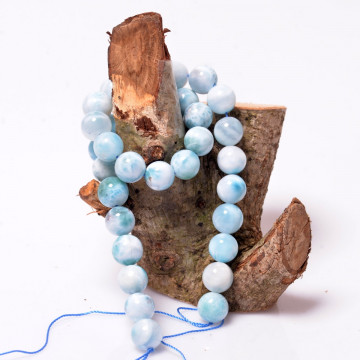
How can you tell if a natural stone is genuine? If you are wondering, you will find all the methods that can help here. As with many other things, fake natural stones are made and sold on the market. That is why it is important to know how to identify a natural stone.
Unfortunately, there is no easy way to spot a fake right away. Some methods give useful clues, but for a certain answer a gemologist needs to examine the stone.
How Can You Tell If a Natural Stone Is Real?
Real natural stones are mineral pieces that formed in nature and were not made artificially. They differ from artificial stones in their appearance, structure, color and other properties. To tell whether a stone is real, you need to look at its physical and chemical properties. Real natural stones are also usually more expensive and found in smaller amounts. Asking an expert for advice can help you tell real stones from artificial ones.
How Can You Tell If Natural Stones Are Genuine?
Synthetic and fake versions of valuable stones have started to be made, because demand is high while supply is low. This has left many people asking, 'Is the stone I bought real or not? How can I tell?'
First of all, to tell whether a stone is real, it is very important to know which group it belongs to. Stones can mainly be grouped like this:
- Natural stones (semi-precious stones such as Topaz, Tanzanite, Alexandrite and Zultanite),
- Precious stones (gemstones such as Sapphire, Ruby, Diamond and Emerald),
- Synthetic stones,
- Treated natural stones,
- Fake stones.
These criteria are generally used to set the value of precious stones:
- Cut,
- Rarity,
- Clarity of the crystal,
- Color,
- Weight (carat), and so on.
Gemstones are priced according to these criteria. These stones are usually sold at high prices. If a stone is sold for less than it is worth, it is most likely not real.
If you are thinking, 'I don't know much about stones. How can I tell if a natural stone is real?', here are the methods you can try:
1. Certificate:
Precious stones have specially issued certificates. However, a certificate belongs only to the stone that was analyzed. In other words, each natural stone needs its own analysis. Certificates issued as a result of that analysis are valid, so you should question any certificate you get from a company in this light!
2. Know the Stone's Properties and Compare:
How can you tell if a natural stone is real? To answer this, research the stones you plan to buy in detail. Learn the chemical and physical properties of that crystal or stone. For example, the minerals it contains, its specific gravity, its hardness value and so on.
When you look at products online, you can evaluate them against these properties. That way it is easier to form an idea of whether the stone you want to buy is fake.
3. Try to Determine the Hardness:
Every precious and semi-precious stone has a hardness value on the Mohs scale. You can run some tests to see whether the stone you are buying has the hardness listed on the Mohs scale.
For example, diamond is the hardest of all stones. Diamonds can scratch glass, but glass cannot scratch a diamond. Only another diamond can scratch a diamond.
The hardness of stones in the quartz group is usually around 7. To scratch these stones, it is enough to use a stone with a higher hardness value.
On a stone known as 'talc', which has a hardness of 1, you can easily make a scratch even with your fingernail.
4. Try Observing the Optical Effects in the Stone's Crystal Structure:
In addition to the methods above, here is another option for those who ask, how can you tell if natural stones are real: look closely at the crystal structure.
Optical effects in the crystal structure of transparent stones can play a deciding role in whether they are genuine or fake. In these stones, reflections and refractions are often easy to spot. If you do not see them, the stone may be glass rather than stone.
Opaque or translucent stones have a veined structure. If you have a stone like this and it has no veining, it is probably not real.
5. Check for Flaws with a Magnifying Glass:
By nature, natural stones are not completely free of flaws. They have bubbles or cracks on their surfaces. Fake stones are extremely flawless and have fewer imperfections.
You can use a magnifying glass to find the flaws on a stone. That way, you can more easily answer the question, how do I know the natural stone is real?
6. Learn About the Crystal Structure:
How can you tell if precious stones are genuine? To answer, we also need to talk about crystal structure. Here is an example:
Amethyst mostly occurs as small-toothed crystals. Citrine, on the other hand, forms crystals with larger teeth.
Tourmaline appears with a different crystal structure. A raw Tourmaline can look like a shiny piece of wood.
7. Pay Attention to the Color:
How can you tell a real natural stone apart? If you are researching this, do not ignore color. If a stone's color is too vivid, it may have been dyed.
Take Rose Quartz as an example. It has light pink areas that lean toward white, as well as vivid pink areas. The darker parts are relatively more expensive, because they are considered higher quality.
8. Expose It to Heat:
How can you tell if natural stones are genuine? If you are asking this, keep in mind that you must use this method very carefully. Otherwise you can seriously damage your stones.
A synthetic stone melts when heated, or its dye runs. Real natural stones do not react like this.
However, if they are exposed to extreme heat, natural stones may deform and change color.
9. Try the Hair Test:
Some sources mention the hair test when answering the question, how can you tell if natural stones are original? It has no scientific validity, but here is a short description anyway:
Wrap a strand of hair around the stone. Then hold it to a flame. If the hair burns, the stone is not real.
- Warning! This method does not apply to stones of organic origin (such as pearl) or resin-based stones (such as amber). Otherwise the stone can be badly damaged and become unusable.
Final Thoughts on the Authenticity of Natural Stones
How can you tell if natural stones are genuine? If you are asking this, you should know that there is no easy method that is one hundred percent reliable. Every stone has a different type and different properties. Sparkle, color, transparency and shape also set stones apart from each other.
The methods above can give you an idea of whether natural stones are real. The most reliable and certain result comes from the assessment of an expert in gemology.