How to Tie a Bracelet Cord
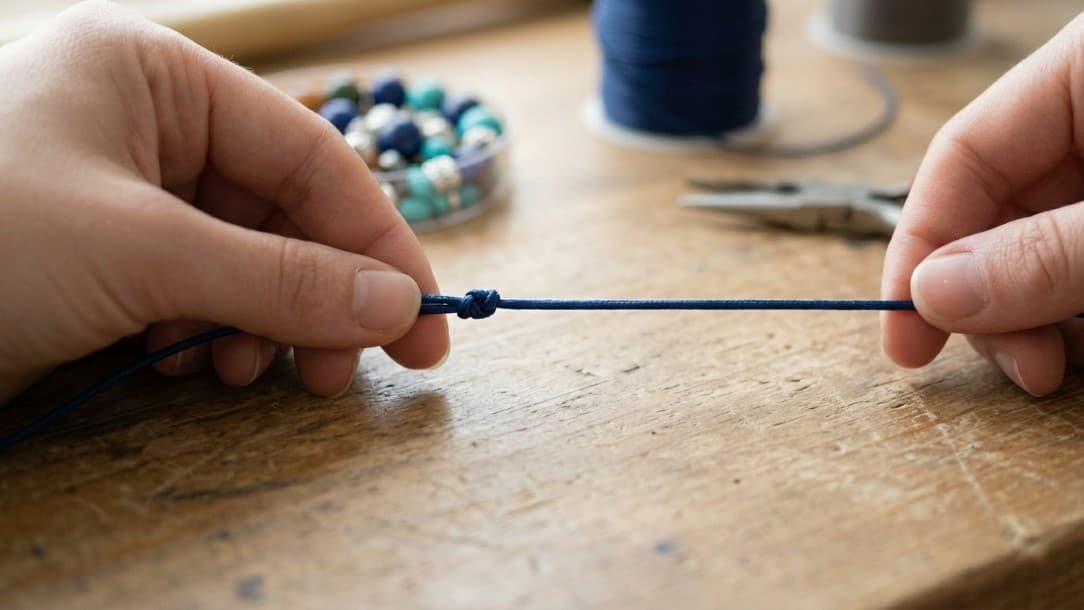
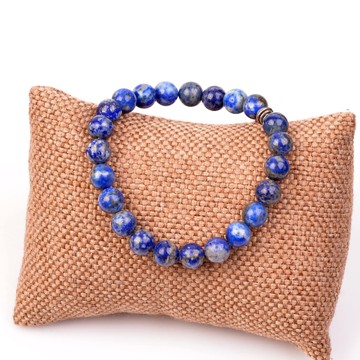
How you tie a bracelet cord depends on the type of material and the purpose of the design, and using the right techniques matters for both looks and durability. It is known that the cord should be cut with enough extra length for the wrist size. It is generally accepted that the knot should be neither too tight nor too loose, because a cord tied too tightly tends to break over time, while a loose one risks coming undone during wear. The square knot, the sliding knot, and the double knot are among the most common methods, and the sliding knot in particular is thought to let a bracelet fit different wrist sizes. The natural stone bracelet designs that use natural stone elements are believed to offer different energies to the wearer and are thought to possibly support inner balance, though it is accepted that these effects are not certain. Repeating the knot a few times, reinforcing it with a clear fixative if needed, and hiding the knot so it does not show are among the key details that help a bracelet last longer and look polished.
How to Tie a String Bracelet
A string bracelet can be tied with a very practical method, and the double knot technique is the usual choice. Cut the cords to equal lengths, cross them over each other, and fasten them with firm knots. The type of cord is an important detail here, because cotton or polyester cords hold a knot better. If you are adding beads or natural stones, thread them onto the cord first and then move on to knotting. With the sliding knot method, the bracelet can easily fit different wrist sizes and becomes more practical for everyday wear.
How to Tie a Lucky String Bracelet
When making a lucky string bracelet, certain colors and numbers of knots are chosen because these bracelets are believed to carry symbolic meanings. Red, black, or white cords are often used, and the number of knots is thought to bring good luck. During tying, the cord is wrapped around the wrist and a few firm knots are made. Some people see making a wish while tying as a traditional habit. Adding natural stone beads is thought to give the bracelet different meanings, and these stones are believed to bring good energy to the wearer, though these effects are not certain. There is also a widespread belief that if the bracelet breaks on its own during wear, the wish has come true.
How to Tie a Red String Bracelet
The red string bracelet is known as an accessory associated with protection, and in many cultures it is chosen to ward off the evil eye. Tying it is very simple, and a few knots hold it in place. A firm knot matters if the bracelet is to last a long time. If you choose the sliding knot technique, the bracelet can be made adjustable. When it is worn together with natural stones, their effect is thought to possibly grow, though this is not certain. Setting an intention while tying is accepted as important.
How to Tie a Leather Cord Bracelet
Bracelets made with leather cord have a more stylish and durable look. Because leather is stiff, classic knotting methods are not always suitable. For that reason, using metal clasps, magnetic locks, or special fittings is a common approach. The ends of the cord should be cut cleanly and, if needed, reinforced with fixing materials. Natural stone or metal accessories can be used on leather bracelets to enhance the look. These bracelets are chosen for both everyday wear and special outfits.
How to Tie a Stretch Bracelet Cord
Stretch cords are very common because they are easy to use, and tying them takes care. Using a double knot or a surgeon's knot makes the bracelet sturdier. Applying a clear adhesive over the knot is recommended so it does not loosen over time. In beaded designs, hiding the knot inside a bead gives a nicer look. In models made with natural stones, these stones are believed to offer balancing effects, but it has not been definitively proven that they do. Being easy to put on and take off in daily use is one of the advantages of these bracelets.
How to Tie a Monofilament Cord Bracelet
Bracelets made with monofilament cord look transparent and delicate. However, because monofilament is slippery, knotting techniques need to be applied correctly. Methods such as the triple knot or the fisherman's knot are preferred to prevent slipping. It is thought that a little heat can be applied carefully to set the knot. When used with crystal or natural stone beads, the result is a very attractive design. It is important to hide the knot so it does not show.
How to Tie an Adjustable Bracelet Cord
Adjustable bracelets are very handy because they fit different wrist sizes. The sliding knot is the most preferred method for these bracelets. The cords are wrapped around each other to form a moving knot, which lets you tighten or loosen the bracelet. Leaving the cord long makes it easier to use. Adjustable bracelets made with natural stone beads are thought to be rich in both looks and meaning, though it is accepted that these meanings depend on personal belief.
How to Tie a Love Bracelet Cord
Love-themed bracelets are usually made by combining two different colors, and a symmetrical look matters. Tying the knots at even intervals gives a nicer result. Using a sliding knot makes the bracelet adjustable. You can choose natural stones that are thought to represent love, and these stones are believed to strengthen emotional bonds, though these effects are not certain. These bracelets are seen as a meaningful accessory between couples.
How to Tie an Adjustable Bracelet Cord: Another Method
The main goal with adjustable models is a bracelet that can be easily tightened and loosened. The sliding knot technique is used for this, and wrapping two cords around each other creates a moving structure. With this method, the bracelet can also be worn comfortably by different people. A durable cord and a firmly tied knot are important during tying. In beaded designs, the knot needs to be hidden carefully so it does not spoil the look.
How to Tie a Men's Cord Bracelet
Men's bracelets usually use thicker cords and simple designs. Durability comes first during tying, and the double knot or sliding knot methods are used. Leather and thick cord combinations are very common. Metal details and natural stones can strengthen the design. These stones are believed to carry different meanings, though this is not certain. Models that are comfortable for daily wear are the most popular.
How to Tie a Miyuki Bracelet Cord
Miyuki bracelets are known for their fine, detailed designs, and tying them takes precision. Because thin cords are used, it is important for the knot to be small and secure. The beads are usually strung with the help of special needles, and then the ends are fastened. The bracelet is finished with a sliding knot or small metal fittings. In bracelets made with Miyuki beads, the look comes first, and the detailed craftsmanship stands out.
Frequently Asked Questions About Tying a Bracelet Cord
Which knot is the strongest for a bracelet cord?
The double knot, the surgeon's knot, and the sliding knot are known to stand out as the strongest options. The choice of knot can change with the type of cord, and tighter techniques are preferred for stretch or monofilament cords in particular so the knot does not slip. To improve durability, it is recommended to repeat the knot a few times and use a fixative if needed.
Why does a bracelet cord come loose?
A cord usually comes loose because the knot was not tied tightly enough or because the cord itself is stretchy. Stretch cords in particular can lose their elasticity over time. Tying the knot with the right technique and choosing a good-quality cord can reduce the problem. Applying a little fixative over the knot is also thought to help.
What should you watch for when tying a natural stone bracelet?
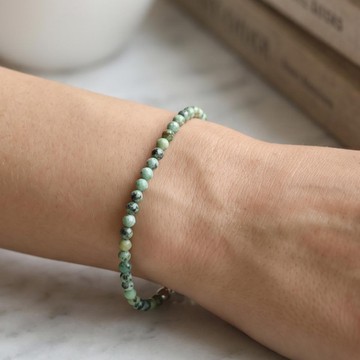
When making a bracelet with natural stones, it matters that the stones are spaced evenly along the cord and the knot is secure. These stones are believed to give energy and are thought to possibly have a positive effect on the wearer, though these effects are not certain. The knotting needs to be done carefully so the stones do not fall off.
How do you set the length of a bracelet cord?
When setting the cord length, take the wrist size into account and leave extra for the knot. A cord cut too short is hard to tie, while one that is too long can hurt the look. For adjustable models, the cord is left a little longer for ease of use.
How does a sliding knot work?
A sliding knot is a moving structure made by wrapping two cords around each other, which lets you tighten or loosen the bracelet. This technique is especially preferred for adjustable bracelets and fits different wrist sizes. Done correctly, it gives a result that is both sturdy and practical.
Which materials are preferred when choosing a bracelet cord?
When choosing a cord, consider the purpose and the design. Cotton, polyester, leather, monofilament, and stretch cords are among the most common options. Choosing the right material for durability and looks directly affects how long the bracelet lasts.
Is it hard to make a bracelet with monofilament cord?
Because it is slippery, monofilament cord takes a little more care than other cord types. The knot can slip, so special knotting techniques are needed. With the right technique, you can make very delicate and stylish designs.
How do you hide a bracelet knot?
The usual way to hide the knot is to tuck it inside a bead. This gives a nicer look, especially with stretch and monofilament cords. Tying small knots and placing them carefully is important.
Which tying methods are used for men's bracelets?
Men's bracelets usually use simpler, more durable methods. The double knot and the sliding knot are the most common options. For models with leather cord, metal clasps or magnetic locks are often used.
Can a broken bracelet cord be tied again?
A broken bracelet cord can often be tied again, but the condition of the cord matters. If the cord is worn out, it is better to use a new one. Tie the knot again with the right technique and use a fixative if needed.