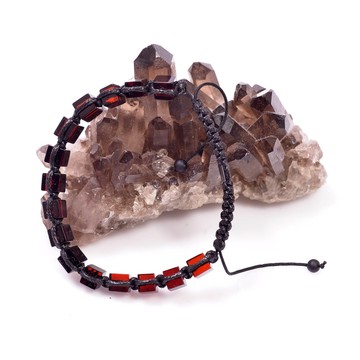
What Is a Martenitsa Bracelet?
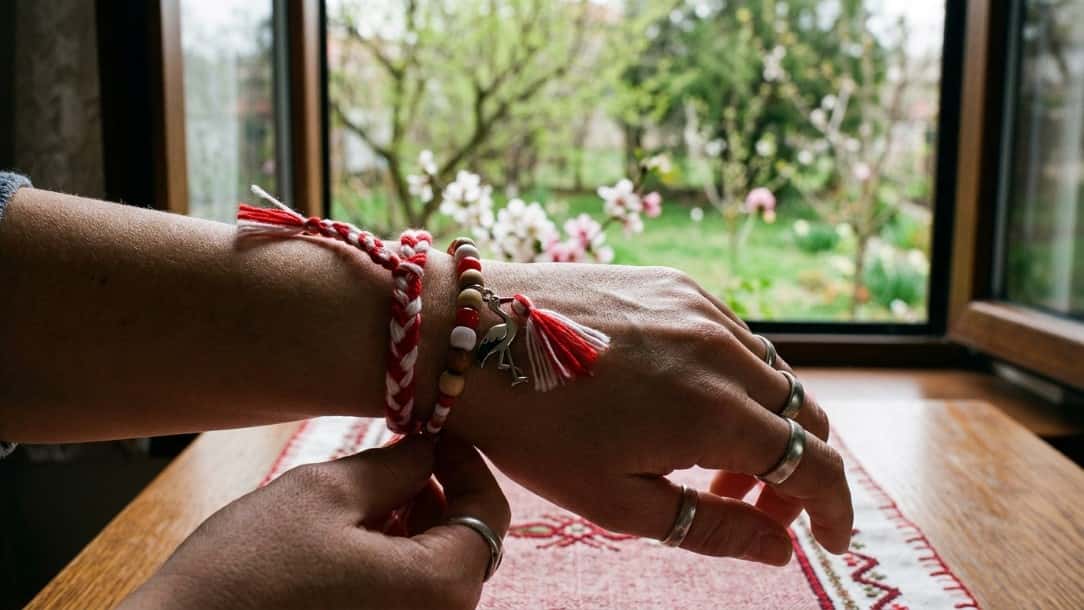
A martenitsa bracelet is a special kind of bracelet that belongs to a traditional custom with deep roots in Balkan culture and symbolizes the arrival of spring. Made by joining red and white threads, it is seen not only as an accessory but as a cultural sign of the cycle of nature, the continuity of life and the symbolic bond people share with that cycle. In traditional belief, the red color stands for life force, vitality, energy and protection, while white stands for purity, cleanliness, peace and new beginnings. Used together, the two colors strongly reflect nature waking up again as winter ends and the sense of renewal that spring brings. Kept alive for centuries, especially in Bulgaria, North Macedonia and neighboring Balkan countries, the tradition has grown beyond a regional ritual into a symbolic practice that resonates in other cultures too, and people have adopted it as an expression of hopes for health, luck and abundance. The martenitsa bracelet is traditionally worn at the start of March. After carrying it for a while, a person takes it off when they see the first stork or come across the first blossoming tree, and this moment is read as a sign that spring has truly arrived. Tying the bracelet to a tree or leaving it in nature when it is taken off means that wishes join with nature and good energy is given back to the universe. Today the tradition has spread across a wider geography with modern interpretations and has diversified through handmade designs. It is no longer only a cultural ritual but also a symbolic gift, a gesture of goodwill and an accessory with personal meaning. Despite all these changes, the martenitsa bracelet keeps its core meaning and continues to represent the relationship between people and nature, the seasonal cycles and positive beginnings.
What Is the Martenitsa Bracelet?
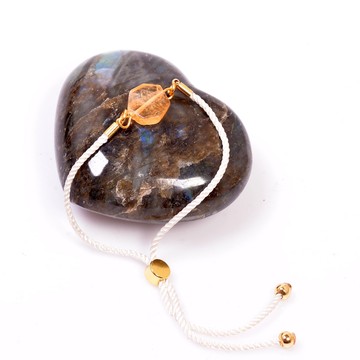
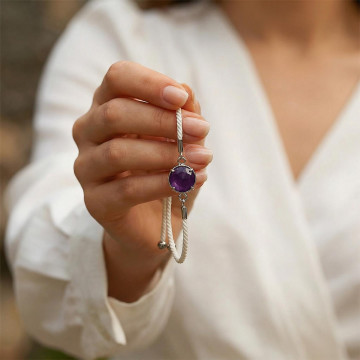
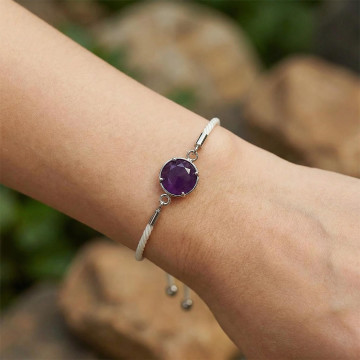
A martenitsa bracelet is a traditional bracelet made by joining red and white threads with braiding or knotting techniques. It looks quite simple, yet it carries a deep meaning. People wear it to welcome the arrival of spring, to mark the end of winter symbolically and to accompany nature's revival with a cultural ritual. According to traditional belief, it is thought to bring its wearer luck, health and abundance throughout the year. This long-standing Balkan practice has gone beyond being a personal accessory and become a custom of shared good wishes, a way of passing on positive energy and goodwill by giving it as a gift. In some regions the bracelet is worn not only by people but also tied to trees and animals, which is seen as a cultural reflection of the wish to live in harmony with nature. Over time the tradition has spread to other regions and diversified with modern interpretations, while keeping its symbolic meaning. Some people even pair these traditional symbols with a natural stone bracelet, which carries its own meaning and energy, in a search for a more personal sense of balance. The core meaning of the martenitsa always rests on the arrival of spring, renewal and the sharing of good wishes, while natural stone is seen more as an element tied to individual belief and symbolic meaning.
Martenitsa Bracelet Meaning
The meaning of the martenitsa bracelet represents the cycle of nature and people's bond with it. Red stands for life energy, and white for purity and new beginnings. Used together, the two colors are thought to push out bad energy and bring in a positive start.
According to traditional belief, the martenitsa bracelet protects its wearer from the evil eye and brings health through the year. It also symbolizes hopes being renewed as spring arrives. That is why it is more than an ornament: it is a cultural object with symbolic meaning.
Where Is a Martenitsa Bracelet Sold?
Today, a martenitsa bracelet can be found at traditional handicraft markets and on various online platforms. Where handmade goods are sold, you can find martenitsa bracelets in many different designs. Some shops that sell cultural items also offer these bracelets seasonally.
Because they are handmade, every martenitsa bracelet can look different. This helps make each piece feel more special and personal. Many people also choose this bracelet as a small gift today.
Martenitsa Bracelet Prices
Martenitsa bracelet prices can vary with the materials, the craftsmanship and the design details. Handmade and specially designed models are valued differently. Standard, simple models are among the more affordable options.
These bracelets are considered economical and accessible. Their symbolic and cultural value matters more than their price, though. For this reason, a martenitsa bracelet stands out for its spiritual meaning more than its material worth.
When Is a Martenitsa Bracelet Worn?
A martenitsa bracelet is traditionally put on in the first days of March. This period is seen as the time when winter ends and spring begins. People wear the bracelet to welcome the new season and make good wishes.
The custom is linked with nature coming back to life and symbolizes a move toward positive energy at this time of year. The bracelet is not limited to one particular day, but it is usually kept on through March.
When Is a Martenitsa Bracelet Taken Off?
A martenitsa bracelet is usually taken off when the first stork is seen in nature. This tradition is taken as a sign that spring has fully arrived. According to some beliefs, it should be taken off by tying it to a blossoming tree.
This ritual means leaving wishes to nature and letting good energy carry on. Taking the bracelet off carries as much symbolic meaning as putting it on, and it is an important part of the cultural ritual.
When Should the Martenitsa Bracelet Come Off?
According to traditional belief, the martenitsa bracelet is taken off at a time tied to the cycle of nature. In the most widely accepted practice, the bracelet is believed to come off when the first stork is seen. This event is read as a symbol that spring has surely arrived and winter is fully behind. In many Balkan cultures, the arrival of the stork is regarded as a sign of good fortune and abundance.
In some regions, the martenitsa bracelet is instead taken off by tying it to the first blossoming fruit tree. This practice is thought to mean leaving wishes to nature and letting good energy join with it. The time to take the bracelet off is not tied to a fixed calendar date. It is set mostly by changes in nature. In this respect, the martenitsa tradition is regarded as a symbolic ritual that stresses people's harmony with nature.
Martenitsa Wish Bracelet
In many beliefs, the martenitsa bracelet is also regarded as a wish bracelet. When putting it on, people usually make positive wishes such as health, luck, peace and abundance. The combination of red and white forms a symbolic structure in which wishes are believed to be backed by positive energy.
Linking the bracelet with wishes takes it beyond being just an accessory. Wearing it through March in particular strengthens the idea that wishes ripen over time and come true with the cycle of nature. As a wish bracelet, the martenitsa is regarded as a cultural symbol of hope and renewal.
How Is a Martenitsa Bracelet Made?
A martenitsa bracelet is usually made by twisting or braiding red and white threads together. The process looks simple, but traditionally it carries a particular meaning. The red thread stands for life force, and the white thread for purity and clean beginnings. Used together, the two threads are believed to create a balanced energy.
In making the bracelet, the threads are mostly twisted into a spiral form or tied with small knots into the shape of a bracelet. In some regions, small beads, evil eye beads or symbolic figures can also be added. These additions are thought to strengthen the bracelet's protective effect. Intention is considered important when making a martenitsa bracelet, and a bracelet made with good wishes is believed to carry a stronger meaning.
Martenitsa Bracelet Designs
Martenitsa bracelet designs have diversified a great deal over time. Alongside the traditional red and white thread designs, more modern and stylish models have appeared today. Some designs may use small symbols, hearts, stars or decorations that resemble natural stones.
Minimal designs are usually a plain braid of thread, while more decorative models may use different color combinations and detailed ornaments. Because they are handmade, every martenitsa bracelet design has a character of its own. This gives each bracelet a personal meaning and makes every one special.
Modern designs sometimes feature metal details or personalized names. These models keep the traditional structure while fitting today's sense of style. Martenitsa bracelet designs are among the symbolic accessories people choose both to keep cultural heritage alive and to reflect personal style.
Frequently Asked Questions About the Martenitsa Bracelet
Is a Martenitsa Bracelet Thrown Into the Sea?
Cultures take different approaches to whether a martenitsa bracelet should be thrown into the sea. In traditional practice, returning the bracelet to nature or tying it to a tree is the more common custom, while throwing it into the sea is thought to have appeared in some modern interpretations. The practice is held to vary from person to person and to carry different meanings in different cultural readings.
Where Can You Buy a Martenitsa Bracelet?
Martenitsa bracelets are known to be available from a range of places. Various models are thought to be found where handmade goods are sold, at gift shops and on online platforms. Some places keep traditional methods of production, while some designs favor more modern interpretations.
Where Is a Martenitsa Bracelet Tied?
Traditional accounts say that after the bracelet is taken off, it is usually tied to a tree in bloom. This practice is thought to mean leaving wishes to nature and passing on goodwill symbolically. In some regions, it is also known to be left on other elements of nature.
Why Is a Martenitsa Bracelet Made?
The martenitsa bracelet is made to welcome the arrival of spring and to express the change in nature symbolically. The combination of red and white is thought to stand for life energy joined with purity. The tradition is widely regarded as a way to express good wishes and strengthen a sense of hope.
What Does a Martenitsa Bracelet Mean?
The martenitsa bracelet is known to be linked with positive meanings such as health, luck and abundance. The symbol is thought to stand for renewal and new beginnings, especially in spring. Some cultural readings also hold that it carries a protective meaning.
Who Can Wear a Martenitsa Bracelet?
The martenitsa bracelet is regarded as open to everyone, with no distinction of age or social class. The tradition is thought to welcome all, and anyone who wishes can take part in this symbolic ritual.
When Is a Martenitsa Bracelet Worn?
The martenitsa bracelet is traditionally known to be worn at the start of March. The timing is thought to be linked with the end of winter and the start of spring. It is regarded as a ritual of beginning in harmony with the cycle of nature.
When Is a Martenitsa Bracelet Taken Off?
There is a widespread belief that the martenitsa bracelet is taken off when the first stork is seen. This is thought to symbolize that spring has surely arrived. In some regions, it is known to be taken off by tying it to the first tree in bloom.
What Colors Is a Martenitsa Bracelet Made Of?
The martenitsa bracelet is generally regarded as made of red and white threads. Red is thought to represent life energy and vitality, and white to represent purity and new beginnings. Using the two colors together is widely said to symbolize balance and renewal.
Why Is a Martenitsa Bracelet Red and White?
The red and white of the martenitsa bracelet are thought to rest on symbolic meanings. The combination of these colors is regarded as representing a balance between life and purity. Traditional accounts link this harmony with the revival of nature.