A ritual is a symbolic act or practice carried out within a set order and tradition. Rituals usually serve a particular purpose. They bring communities together, offer spiritual or devotional experiences, and stand for a specific meaning. Rituals hold an important place in different cultures, religious beliefs, traditions, and communities. Performed in a set sequence and order, they are usually tied to a certain period of time or a certain event. For example, rituals can be held at important stages of life such as birth, marriage, and death.
The purpose of a ritual is usually to emphasize a particular intention, to have an emotional or spiritual experience, to strengthen the unity of a community, or to celebrate an event. Rituals can include symbolic acts, the reading of prayers, music and dance, lighting a fire, or the use of certain objects.
The repetitive nature of rituals can give people a sense of security and stability. Rituals can also meet emotional and spiritual needs, encourage personal transformation, and offer spiritual experiences. They can be performed individually or within a community. Personal rituals can help a person feel safe, find balance in daily life, or focus on their goals. Community rituals aim to share a common purpose, build solidarity, and strengthen the bonds of the community.
In short, rituals are symbolic acts that help meet people's emotional, spiritual, and social needs, and they form a deep part of cultures.
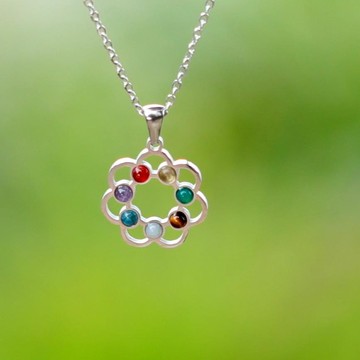
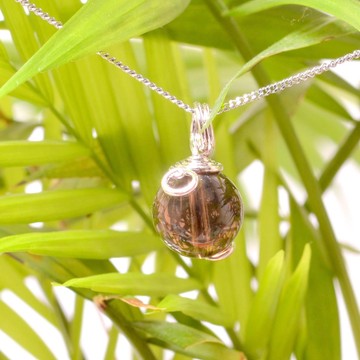
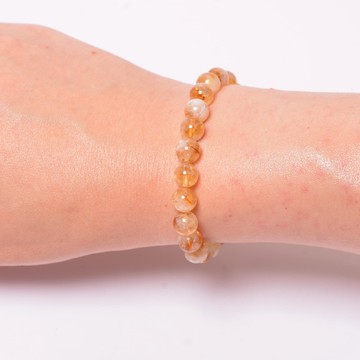
Natural stones have been used in rituals for centuries and have played an important role in many cultures. There are many reasons for natural stone rituals, and they are usually performed for spiritual or personal well-being.
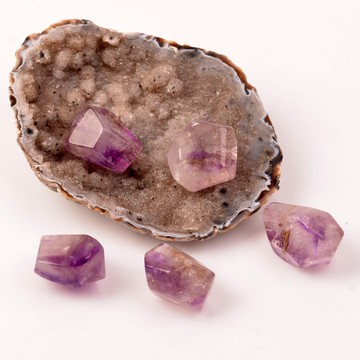
For Balancing Energy and Healing: Many people believe that the energy of natural stones can balance the energy centers of the body and bring physical or emotional healing. Rituals are arranged to draw on the qualities of a particular stone. For example, a person might use amethyst to cope with stress, or meditate with a quartz crystal to encourage spiritual awakening.
For Protection and Warding Off Negative Energy: Natural stones are thought to block or push away negative energies. Many rituals use natural stones to protect a home, a person, or objects from negative energies. For example, black tourmaline is said to absorb and disperse negative energy, so it can be used as a protective amulet.
For Focus and Mental Clarity: Natural stones are thought to improve focus and encourage mental clarity. Working with a particular stone during a ritual is said to calm and deepen the mind during meditation or spiritual practice. For example, lapis lazuli is traditionally associated with strengthening communication and with mental clarity.
For a Spiritual Journey and Personal Growth: Natural stones are thought to encourage spiritual journeys and support personal growth. Using a particular stone during a ritual is done to find inner peace, strengthen inner guidance, or reach a spiritual depth. These rituals often involve meditation, prayer, or setting an intention.
For Connection and a Search for Meaning: Natural stones are thought to connect people to the wider cycles of nature and the universe. Using a particular stone during a ritual can aim at a deeper connection with the natural world or at understanding the mysteries of the universe. This is often seen in rituals held during spiritual quests, turning points, or special ceremonies.
These rituals may help people make their lives more balanced, peaceful, and meaningful by drawing on the power of natural stones. However, the effects of these rituals vary from person to person and are not based on scientific evidence.
Rituals with natural stones can be practiced in different ways across many cultures and traditions.
- Setting Your Intention: Before you begin the ritual, decide on your intention. It could be healing, protection, or inner peace. Your intention will be at the center of the ritual, and you will charge the natural stones with it.
- Choosing the Right Stone: Choose the natural stone that best suits your intention. The stone's energy and symbolism should match your intention. For example, if you are looking for spiritual harmony and inner peace, you might choose stones such as amethyst or rose quartz.
- Preparation and Cleansing: Prepare the space before you start. Create a comfortable setting. You can light candles, play meditation music, or burn incense. Then cleanse the natural stone you will use. You can rinse it under water, leave it in soil, use incense, or leave it in sun and moonlight for a few hours.
- Meditation or Focus: As part of the ritual, you can meditate or focus your mind on your intention. Hold the natural stone in your hands, picture your intention clearly in your mind, and feel the energy of the stone.
- Charging the Stone: Holding the natural stone you feel matches your intention, pass your intention to the stone. You can state your intention silently or aloud. Say that you would like the stone to bring you positive energy, healing, or protection.
- Completing the Ritual: After you set your intention and charge the stone, complete the ritual. To give thanks, you can say a short prayer or affirmation. You can carry the stone with you to hold your intention, or place it somewhere special.
Example Ritual for Inner Peace and Abundance:
Create a comfortable setting and choose a suitable natural stone (for example, jade or a quartz crystal).
Cleanse the stone and feel its energy.
Meditate to calm your mind. Focus your attention on inner peace and abundance.
Hold the stone in your hands and state your intention clearly. For example, "This stone fills me with inner peace and abundance."
After charging the stone with your intention, complete the ritual and give thanks.
Remember your intention and feel the stone's energy by carrying it with you or placing it somewhere special in your home.
Every ritual can be adapted to personal preferences and beliefs. What matters is the sincerity of your intention and using the energy of the natural stone in a way that suits it.
Is a Ritual Magic?
Rituals are practices that have been carried out for centuries in different cultures and belief systems. They serve a particular purpose and usually involve symbolic acts. Magic, on the other hand, is defined as acts performed to achieve a desired result by using supernatural powers.
The relationship between ritual and magic is complex and debated. Some people see rituals as a subset of magic, while others argue that rituals have a broader scope and fall into a category separate from magic.
There is no definitive answer to whether rituals are magic. It depends on a person's beliefs and point of view. Many people say rituals offer real benefits. For example, rituals are often said to ease stress, soothe anxiety and support a sense of well-being.
Views of Those Who Believe Rituals Are Magic:
Rituals set a certain energy in motion to bring about the desired result.
The symbols and actions used in rituals are a way to communicate with supernatural forces.
The belief and concentration of the person performing the ritual play an important role in its success.
Views of Those Who Believe Rituals Are Not Magic:
Rituals work only through the placebo effect, helping a person feel better.
Rituals give people a sense of control, which helps reduce anxiety and stress.
Rituals bring people together and create a shared sense of purpose, which strengthens social solidarity.
What Sets Rituals Apart from Magic
Purpose: Rituals can serve many different purposes. The aim of magic, on the other hand, is usually a material or spiritual gain.
Use of Supernatural Forces: Magic involves using supernatural forces, while rituals do not always call on them.
Action and Symbolism: Rituals usually involve symbolic actions and objects. Magic usually combines words, charms and rituals.
Belief: You do not have to believe in the effect of a ritual, but magic needs belief in order to work.
What Rituals and Magic Have in Common
Repetition: Both rituals and magic usually involve repeated actions.
Intention: Intention plays an important role in both rituals and magic.
Energy: Both rituals and magic are believed to direct and influence energy.
- The benefits of natural stones have not been scientifically proven. For this reason, it is important not to use stones in place of medical treatment and to consult your doctor about any health concern