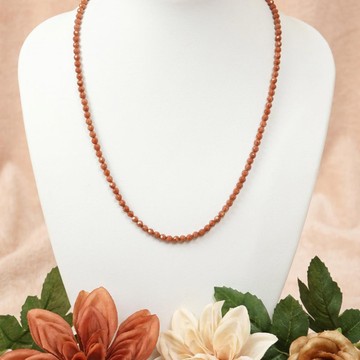
How do you use natural stones for stress? Different stones can be chosen for different goals, such as balancing energy or supporting emotional well-being.
How to Use Natural Stones for Stress
The stress stone is a general name for precious stones that are believed to support the relief of some ailments and psychological difficulties. These stones come in a range of colors and appearances.
Natural Stones for Stress
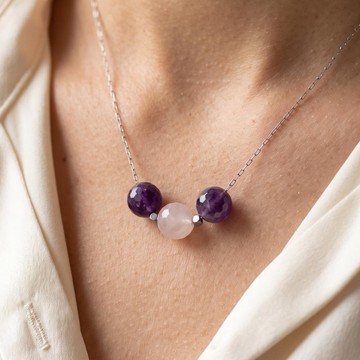
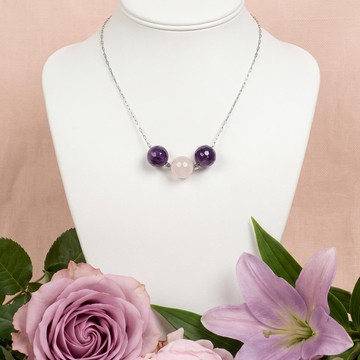
Amethyst (the Stress-Soothing Stone):
Amethyst is known as a natural calming stone and is said to help reduce stress.
It is traditionally associated with easing mood swings, anxiety and fear.
Smoky Quartz:
It is among the natural stones associated with anxiety.
When used with meditation, it is thought to have a relaxing effect.
Citrine:
It is sometimes used as a stone for low moods.
It is said to attract positive energy.
Optical Calcite:
It is regarded as a stone that supports emotional well-being.
It is believed to be helpful for all chakras.
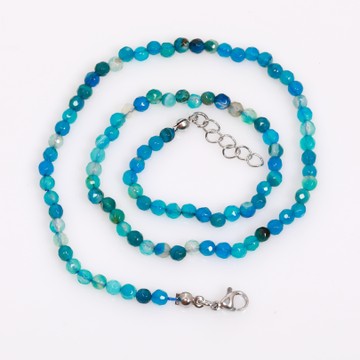
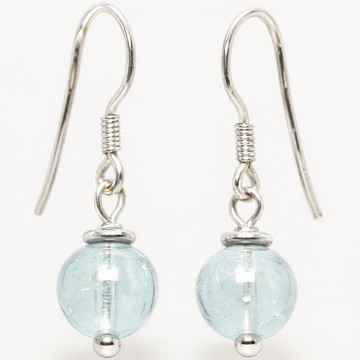
Aquamarine:
It is used to help with tension and stress.
It is said to help overcome negative emotions.
Amethyst:
It is said to calm obsessive thoughts.
Keep in mind that everyone responds differently, and the effect of stones can vary from person to person. Before using any stone, consider your personal preferences and needs.
How to Use Natural Stones for Stress
The rush of daily life and the stress it brings are unavoidable for all of us. There are many ways to manage stress and live a calmer life. One of them is to turn to natural stones associated with stress relief. The healing energies of natural stones are believed to help lower stress and anxiety levels.
There are a few different ways to use natural stones for stress:
- Wearing Stones as Jewelry:
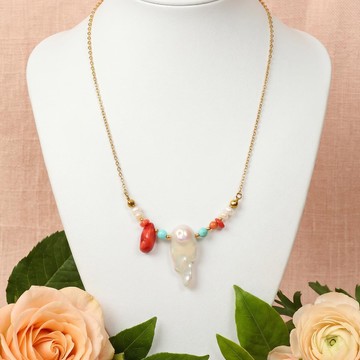
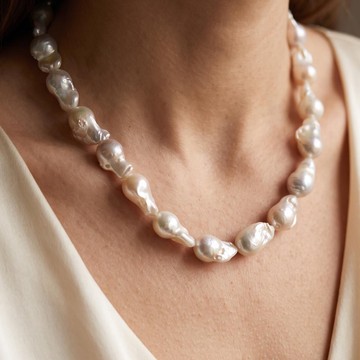
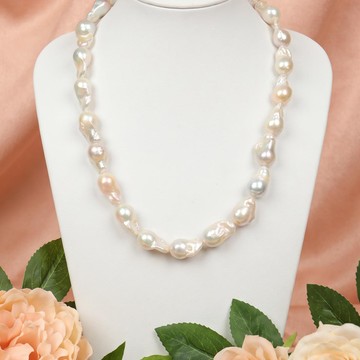
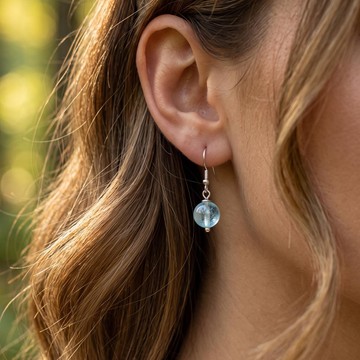
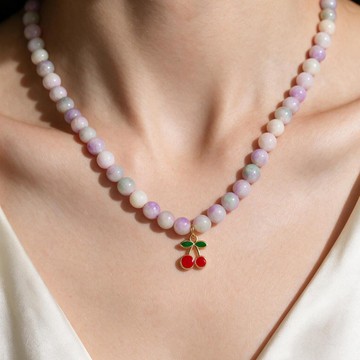
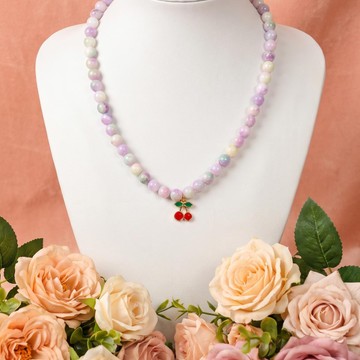
Wearing natural stones as a necklace, bracelet, earrings or ring is a way to keep the stone's energy with you throughout the day. Contact with your skin is said to help carry the stone's energy more effectively.
- Using Stones in Meditation:
Holding natural stones in your hand during meditation, or placing them on your chakras, is believed to help calm the mind and release stress.
- Keeping Stones Around You:
Keeping natural stones on your work desk, by your bedside or in different corners of your home is another way people draw on the stone's energy.
- Placing Stones in Water:
Some people place natural stones in water to make what they call healing-energy water. Drinking this water or applying it to the skin is traditionally believed to help ease stress.
Stones for Stress
Stress has become an unavoidable part of modern life and a daily reality for many people. Its effects can weigh on our physical, emotional and mental well-being, so looking for ways to cope is important. Natural stones and crystals are one tool people turn to when coping with stress. Here are some stones associated with stress relief and their traditional properties:
Amethyst: Amethyst is a stone believed to help reduce stress and increase inner peace. It is known for its relaxing feel. It is said to calm the mind, ease worry and encourage deep sleep.
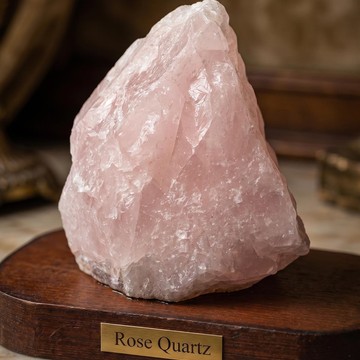
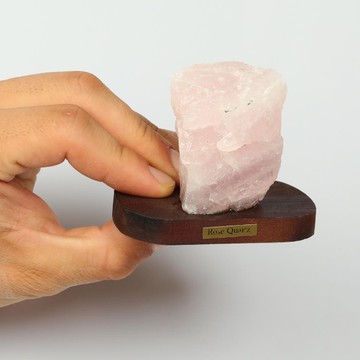
Rose Quartz: Rose quartz is known for its energy of love and compassion. It is thought to help with stress and to support emotional balance. It is said to open the heart center and encourage inner peace by clearing away negative emotions.
Lepidolite: Lepidolite is a stone traditionally associated with relaxation and coping with stress. It is believed to support emotional balance and to help with emotional challenges such as worry, fear or anxiety.
Blue Lace Agate: This stone is associated with a calming effect and is said to help quiet the mind. It is believed to ease stress while supporting clear thinking and communication.
Smoky Quartz: Smoky quartz is said to help disperse negative energy and to support the return of emotional balance. It is thought to relax the mind and body while easing stress.
Selenite: Selenite is a stone associated with a calming effect. It is said to ease stress, clear the mind and encourage inner peace. It is also used to cleanse and recharge the energy of other stones.
When using these stones, it is important to cleanse them regularly and renew their energy. For stress, you can use these stones in different ways, such as meditation, stone placement or everyday wear.
Remember that natural stones and crystals should be seen only as a complementary practice. If you have serious stress that calls for medical help or counseling, it is important to seek professional support.
Calming Natural Stones
The stress and anxiety of modern life are a big problem for all of us. There are many ways to manage stress and live more peacefully. One of them is to turn to calming natural stones. The healing energies of natural stones are believed to help lower stress and anxiety levels, quiet the mind and help you feel more at peace.
Traditional Benefits of Calming Natural Stones:
Said to ease stress and anxiety
Said to support mental clarity and focus
Said to support a regular sleep routine
Said to encourage positive emotions
Said to clear away negative energy.
The Most Popular Calming Natural Stones:
Amethyst: Known for its purple color, amethyst is one of the most popular calming stones. It is believed to help ease stress and anxiety and to support mental clarity and focus.
Lapis Lazuli: Striking for its deep blue color, lapis lazuli is traditionally associated with mental clarity and peace. It is said to help soothe anger and tension.
Rose Quartz: Known as the stone of love and compassion, rose quartz is said to bring inner peace by easing stress and anxiety.
Amazonite: Known for its green color, amazonite is associated with courage and resilience and is thought to build resistance to stress.
Black Tourmaline: It is said to clear away negative energy and offer protection.
Calming natural stones can be a supportive tool for managing stress and living more peacefully. When used with care, natural stones are believed to help ease stress, quiet your mind and help you feel more at peace.
Natural stones have no scientifically proven effect. They are objects commonly used in alternative medicine and energy practices, but their effects are not scientifically supported. There is no scientific evidence for their effects on health or emotional well-being.