Prayer Bead Wood
Prayer bead wood is a general name for the many natural woods used to make prayer beads (tasbih). It does not refer to a single tree species. It covers a range of woods that are hard, dense, and durable enough to be worked, and that have been favored for many years for their appearance and their natural feel in the hand. Thanks to their natural structure, each wood can show its own color tones, grain patterns, scent, and density, and this variety gives prayer bead designs a wide range of options. Once shaped into beads, these woods come into contact with the hand and its natural oils during use, and over time they can develop a smoother, shinier, and more personal surface. For this reason, wooden prayer beads are made from a material valued not only as a raw material, but as a natural one that takes shape and gains character together with its owner over time.
Related reading: How are prayer beads made?
Wooden Prayer Beads
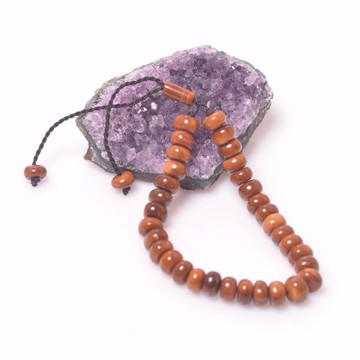
Wooden prayer beads are strung from beads made entirely of natural wood in a set pattern. They are widely preferred for how comfortable they feel in the hand. As the beads are handled, a natural shine is known to form on their surface, which makes each set personal to its owner. The warm feel and light weight of wood are also important features that add to comfort in use.
Types of Wooden Prayer Beads
There are many types of wooden prayer beads, and the distinct traits of different woods create this variety. Rosewood, sandalwood, olive wood, ebony, and juniper are among the best-known options. Each wood offers different color tones, levels of hardness, and textures, so each gives a different experience in both look and use.
Benefits of Prayer Bead Wood
One of the best-known benefits of prayer bead wood is a comfortable grip in the hand and ease during long use. Thanks to the natural structure of wood, the surface can become softer and smoother over time, which improves the experience of using it. According to some beliefs, natural wood is thought to have a calming effect that supports focus, so it is also seen as a tool for easing stress.
Features of Prayer Bead Wood
The most notable features of prayer bead wood are its durability, its natural grain, and the surface shine it gains over time. As you keep using it, it can interact with the natural oils on your hands and become smoother. The different hardness of each wood affects how it is worked and shapes the character of the finished prayer beads.
Prayer Bead Wood and Natural Stone
Prayer bead wood is not classified as a natural stone, but it belongs to the category of natural materials, and some designs combine it with natural stones. Wood gives a warm, organic feel, while natural stones are thought to be colder and denser. Using the two materials together creates balanced designs, both in looks and in use.
Which Wooden Prayer Beads Are the Best?
The best wooden prayer beads depend on personal expectations, because each wood offers a different feel, look, and experience of use. Some users prefer harder, denser woods, while others choose lighter, softer-textured models. For this reason, there is no fixed definition of the best prayer beads. It depends entirely on how you use them.
Trees Used for Prayer Beads
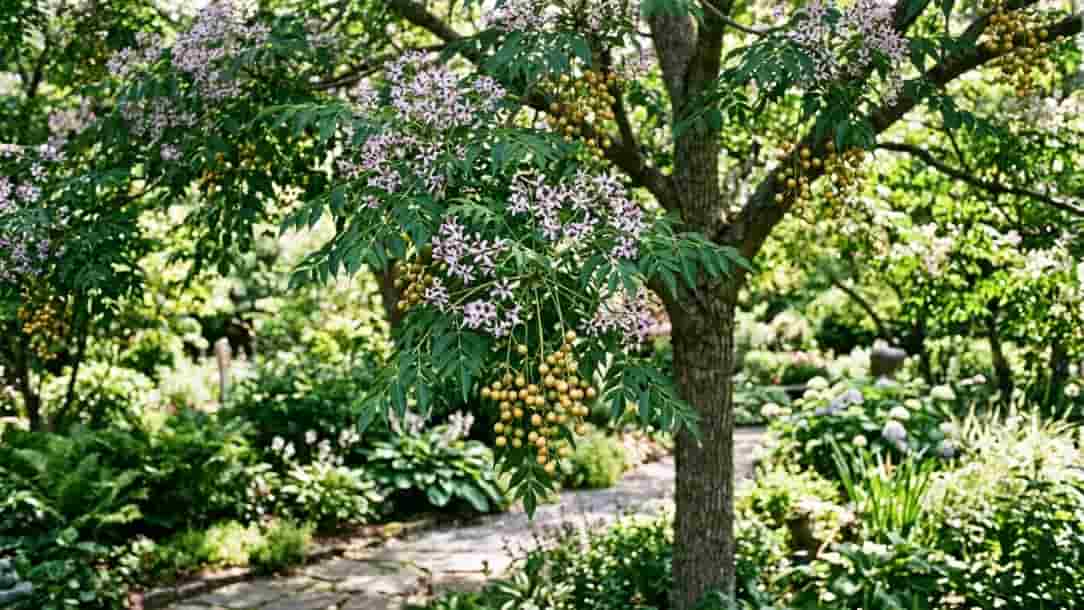
Prayer bead trees generally means the durable, workable tree species that suit prayer bead making. These trees can grow in different regions, and each shows its own color, texture, and density. This variety gives the world of prayer beads a wide product range and produces designs for different tastes.
Types of Wooden Prayer Beads by Wood
Wooden prayer beads come in many options, including rosewood, sandalwood, ebony, olive wood, and juniper. Each type may have its own hardness, color, and natural scent, and these traits directly affect the experience of use. With this variety, every user can find prayer beads that match their expectations.
Frequently Asked Questions About Prayer Bead Wood
What Is Prayer Bead Wood?
Prayer bead wood is the general name for the different natural woods used to make prayer beads, which are worked into beads. Each wood has its own hardness, color, and grain, so the finished prayer beads differ from one another. This brings variety in both looks and feel, and the natural material is what sets them apart.
Why Are Wooden Prayer Beads Preferred?
Thanks to their natural structure, wooden prayer beads feel warm and comfortable in the hand and stay comfortable during long use. Over time, they interact with the natural oils on your hands and can gain a smoother, shinier surface. This makes each set personal to its owner and creates an individual experience of use.
Which Wooden Prayer Beads Are the Best?
The best wooden prayer beads depend on personal expectations, because each wood gives a different feel in the hand. Harder, heavier woods are preferred by users who want durability, while lighter, softer-textured types are chosen by those who look for comfort. For this reason, it is not possible to name one best option.
How Do You Polish Prayer Bead Wood?
With natural use, prayer bead wood can shine on its own over time from the oils on your hands, and regular use supports this process. Wiping it with a soft cloth helps the surface stay cleaner and shinier. We recommend avoiding chemical products, because it is important to protect the natural structure of the wood.
Are Wooden Prayer Beads Water-Resistant?
Wooden prayer beads can tolerate brief contact with moisture, but we do not recommend exposing them to water for long. Water can make the wood swell or damage the surface texture. Storing them in a dry, stable environment helps them last longer.
Does Prayer Bead Wood Have a Scent?
Some prayer bead woods have a natural scent, and it is more noticeable in woods such as sandalwood and rosewood. The scent may fade over time, but it may not disappear completely. This is regarded as part of the natural structure of the wood.
Do Wooden Prayer Beads Change Over Time?
Wooden prayer beads can change in color and surface texture the longer you use them. With contact from your hands, the surface can become shinier and smoother. This change is regarded as a completely natural process, and it gives the prayer beads a personal character.
What Woods Are Prayer Beads Made From?
Prayer beads are generally made from durable woods such as rosewood, sandalwood, olive wood, ebony, and juniper. These woods are preferred for both their workability and their appearance. Each one offers different color and texture traits.
How Should Wooden Prayer Beads Be Stored?
Wooden prayer beads should be stored in a dry place away from moisture and direct sunlight. For long-term protection, we recommend keeping them in a closed box. This helps keep both the color and the surface quality for longer.
What Is the Difference Between Wooden and Natural Stone Prayer Beads?
Wooden prayer beads give an organic, warm feel, while natural stone prayer beads are harder and heavier. Wood can shine in the hand over time, while stones generally keep a constant surface. These differences directly affect the feel of use and the reason someone chooses one over the other.