Quartz is a natural mineral with a wide range of uses, and it matters to many industries and applications. It is a material widely used in the electronics industry.
Quartz Uses
Quartz is one of the most common minerals in the Earth's crust and is made up of fairly pure silicon dioxide (SiO2) crystals1. With a hardness of 7 and a specific gravity of about 2.65 g/cm³, it occurs in nature in both crystalline and amorphous forms. The many colors and forms in which quartz is found make it valuable in many different sectors.
Optics and Electronics: Clean, well-formed quartz crystals have an important place in the optics and electronics industries. They are used especially in precision devices such as frequency control oscillators and frequency filters.
Glass and Ceramics: In the glass industry, quartz is used to make crystal ware and tableware. In the ceramics industry, it is used for glazes and frits, insulators, electro-porcelain, tableware, and sanitary ceramics1. It is also an important raw material in the production of floor and wall tiles.
Detergents and Paints: Milky quartz and vitreous quartz are ground and processed, then used as a filler in the detergent and paint industries.
Metallurgy and Fillers: Quartz, used as a filler in the metallurgy industry, is also preferred in the production of abrasive materials.
Decorative Uses and Building Materials: Quartz grains are put through various chemical processes to become quartzite, which is used for decorative purposes such as flooring, stair steps, and kitchen countertops2. It is also widely used in the glass and chemical industries.
Alternative Medicine: Quartz is also used in the field of alternative medicine for the healing properties traditionally attributed to it. For centuries, it has been regarded in some traditions as a complementary support for various health concerns.
With its wide range of uses and its applications across industries, quartz has become one of the essential minerals of the modern world. Thanks to both its natural beauty and its technical properties, quartz continues to find new uses every day.
Quartz components found inside many electronic devices, such as crystal oscillators, quartz watches, and microchips, provide precise timing and frequency control. Quartz is also widely used in the glass industry. High-purity quartz is used in optical glass production and plays an important role in making optical devices, glassware, and laboratory equipment. Quartz is also widely used in the semiconductor industry. It is used in silicon production, which in turn matters for making solar cells, integrated circuits, and other semiconductor devices. Quartz is also used in medical fields. Quartz lamps that produce ultraviolet (UV) light, in particular, are used in water and air disinfection, in skin treatments, and in medical imaging systems. Quartz is used for decorative purposes in homes and commercial spaces, in items such as kitchen countertops and decorative materials. Because of its durability and variety of colors, high-purity quartz is a popular choice for kitchen countertops and other decorative surfaces. Quartz also plays an important role in the geo-industrial and mining industries. Known as silica sand, quartz is in demand as a raw material in the glass, ceramics, concrete, and metal casting industries. Quartz is also used as a component of building materials. Quartz sand can increase the durability of concrete and can be used to make structures more durable.
Quartz in Jewelry and Gem Making
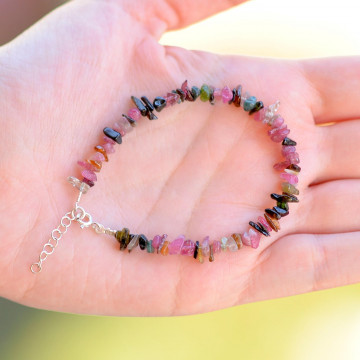
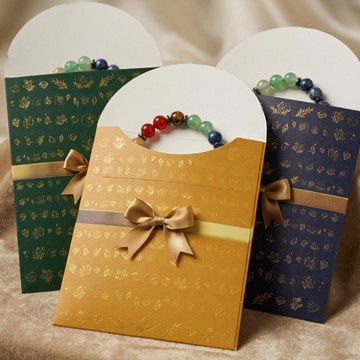
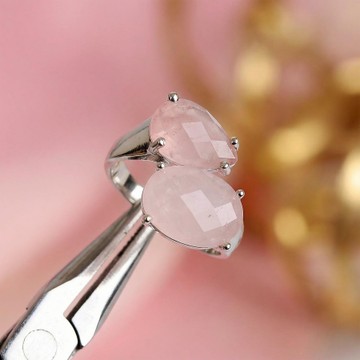
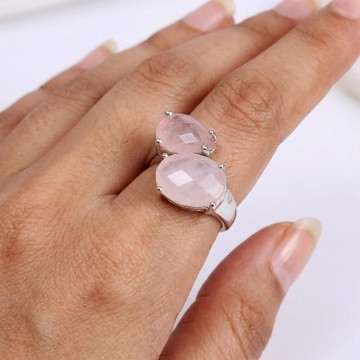
Quartz is a mineral with a long history in jewelry and gem making, and it remains popular today. Found naturally in a variety of colors, quartz gives jewelry designers and gem artisans a broad palette to work with. This variety offers a wide range of colors in gem making. With many varieties, including amethyst, rose quartz, citrine, smoky quartz, and purple quartz, quartz gives jewelry designers rich options. Many types of quartz are optically transparent and offer high clarity. When used as cut and polished stones, this gives jewelry a wonderful brilliance. Quartz is naturally a very durable and hard mineral. This makes it suitable for jewelry, because gems need to resist wear in daily use. Quartz can be worked in different cuts and shapes. Cuts and shapes such as round, oval, brilliant, and heart appeal to different design and style preferences. Quartz can be used in gem making in many ways. It can be used in solitaire rings, earrings, necklaces, bangles, brooches, and many other jewelry and gem designs. Quartz occurs naturally in nature and can also be produced synthetically. This gives jewelry designers and buyers a range of options to suit different budgets and preferences. In some cultures, quartz is believed to have spiritual and metaphysical benefits. These beliefs also encourage the use of quartz jewelry for energy balancing, a positive influence, and spiritual well-being.
What Is Quartz? Its Properties
Quartz is a mineral with the chemical formula SiO2. Chemically, it is formed by the combination of silicon and oxygen. This mineral, which is usually transparent, colorless, or white, is one of the most abundant minerals in nature. Quartz can occur in many different crystal structures, and these structures determine the mineral's different physical and optical properties. Quartz is usually found in sand, in rocks, and as a component of many other minerals. Quartz reserves around the world are quite large, and they play an important role in industrial, commercial, and scientific use. Physically, quartz is a very hard mineral, ranking seventh on the Mohs hardness scale. This is why quartz is used as a building material in various industries. It is also chemically inert, meaning it is relatively stable and has a low tendency to react with other substances. This property allows quartz to be used in making laboratory equipment and glassware. Because of its optical properties, quartz is also regarded as an important material in the optics industry. Its transparency and optical clarity allow it to be used in making optical instruments, lenses, and optical glass products. Quartz is also important for its electrical properties. Quartz crystals can vibrate in an electric field, and this property is used for timing and frequency control in electronic devices. In particular, quartz crystals are used to provide precise timing in watches, computers, and communication devices.
Types of Quartz
Quartz is a mineral that occurs in many different varieties in nature and can form in various crystal structures.
Amethyst: Amethyst is the purple variety of quartz, and it owes its color to the presence of manganese and iron. With its bright, attractive purple color, amethyst is often used in jewelry making.
Citrine: Citrine is the yellowish variety of quartz. Its color is due to the presence of iron. It is rarely found pure in nature and usually forms when amethyst or purple quartz is heated.
Smoky Quartz: Smoky quartz is the variety of quartz in gray or brown tones. Its color may be due to natural radiation or the presence of certain elements. Smoky quartz is used in jewelry making and for decorative purposes.
Purple Quartz: Purple quartz is the purple variety of quartz, and its color is usually due to the presence of iron or lithium. Because of its bright, eye-catching purple color, it is often chosen for jewelry making.
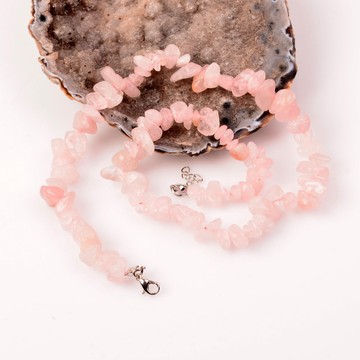
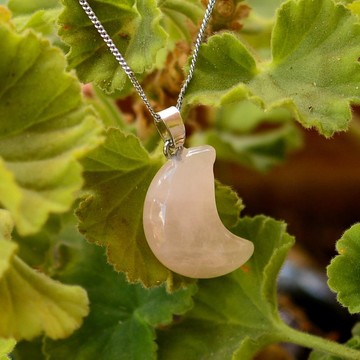
Rose Quartz: Rose quartz is a pink or pinkish variety of quartz. Its color is due to the presence of titanium and iron. Because of its elegant, romantic look, it is popular in jewelry making and for decorative purposes.
Aventurine: Aventurine is the green variety of quartz and may contain shimmering metallic particles. This sparkle usually comes from mineral inclusions such as feldspar, mica, or hematite. Aventurine is used for ornaments and decorative objects.
Black Quartz: Black quartz, as its name suggests, is a black variety of quartz. Its color may be due to the presence of organic matter and other mineral inclusions. Black quartz is used in jewelry making and for decorative purposes.
Quartz Benefits
Quartz is a mineral that is used in many different fields and has a range of benefits.
Some cultures and belief systems hold that quartz has spiritual and metaphysical benefits. Quartz crystals are associated with claims such as balancing energy, cleansing negative energy, and increasing mental clarity. Used in meditation and energy work, they are believed to support spiritual well-being and balance. Quartz crystals are believed to balance the energy around them. Kept in homes, workplaces, or personal spaces, they are thought to help negative energy disperse and positive energy grow. This is believed to support emotional and mental balance. Quartz crystals are believed to have a calming effect. They are thought to help a person cope with stress, worry, and tension. Massages with quartz stones or meditation practices are thought to contribute to reducing stress and to relaxation. Quartz crystals are believed to increase mental clarity. They are thought to improve focus and concentration, to support cognitive function, and to bring mental clarity. These qualities are considered useful in work settings or during learning. Quartz crystals are thought to help support emotional balance. They are believed to help a person deal with emotional difficulties such as emotional hurt, fear, or worry. They are also thought to build self-confidence and a sense of inner peace. Some people believe that quartz crystals may support physical well-being. They are said to balance the flow of energy and release blockages in the body, and they are also traditionally associated with a sense of vitality and general well-being. Quartz crystals are thought to absorb and clear negative energy. For this reason, when kept in homes or work areas, they are believed to help clear negative energy and purify the atmosphere. Some people believe quartz crystals have a protective effect. They are thought to act as a shield against negative energies or ill-intentioned people and to protect the wearer.
Beliefs and claims about the benefits of quartz are generally based on personal and cultural beliefs and have not been scientifically proven. Even so, many people see quartz crystals as a support for spiritual and emotional well-being, and that is why they are so widely used.