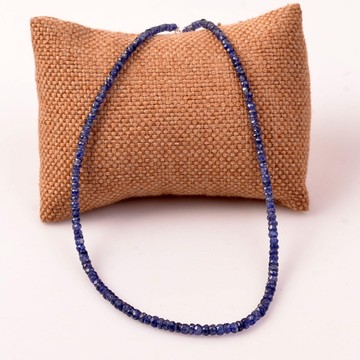
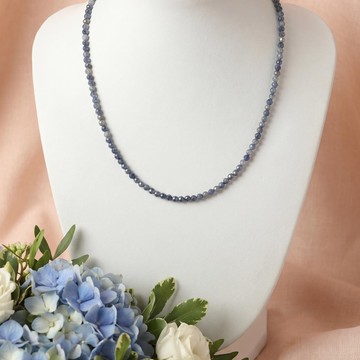
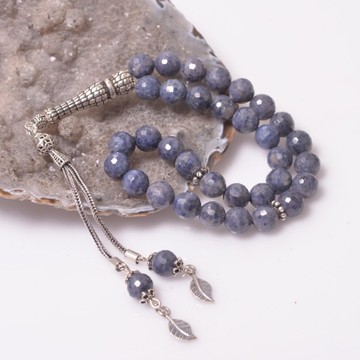
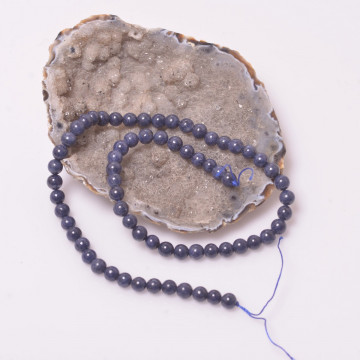
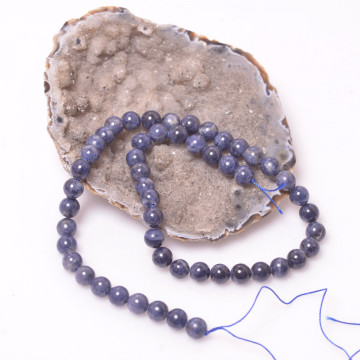
What Does Sapphire Mean?
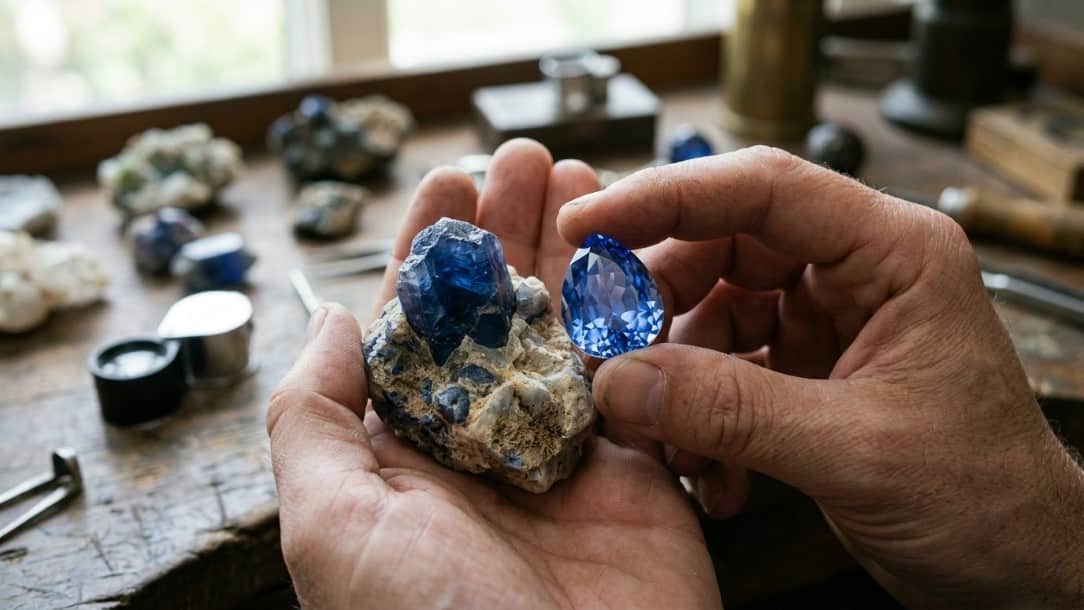
What does sapphire mean? Sapphire is a precious stone of the corundum mineral group, known for its high hardness and crystal structure. Sapphire stone forms when aluminum oxide crystals take shape under high heat and pressure over millions of years of geological activity. This long formation process is why sapphire is rare and highly valued. Its tightly packed, orderly crystal lattice makes sapphire very resistant to outside forces, so it can keep its form for many years.
Sapphire has held an important place in many cultures throughout history and was especially favored by nobles and royal families. This preference comes not only from its beauty but also from the symbolic meanings attached to it. It is known to be associated with wisdom, loyalty and inner balance. Physically, its high hardness makes it very resistant to scratches, which sets it apart from many other types of natural stone. Its resistance to heat and pressure means its uses are not limited to jewelry.
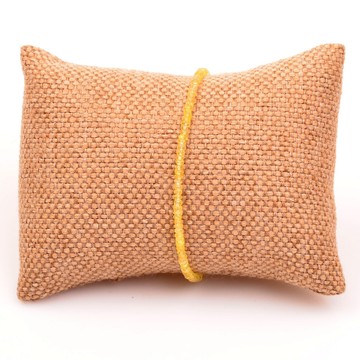
Sapphire occurs in a range of colors. Blue is the best-known color, but sapphire can also be found in yellow, pink, green and colorless tones. This variety comes from differences in the trace elements inside the stone, and it gives each piece its own look. Its optical properties let it refract light to a degree, which gives jewelry a beautiful brilliance.
Sapphire is used widely in technical fields as well as for decoration. It is chosen for watch crystals, camera lenses and optical systems that need high durability because it resists scratches so well. Its long life and difficult formation make it a valuable material, both economically and functionally.
What Is Sapphire?
Sapphire is a mineral found in crystal form in nature and is known for its hardness, which gives it a special place among precious stones. It ranks right after diamond on the Mohs hardness scale, so it resists scratches extremely well and keeps its surface intact even after long use. This durability takes sapphire beyond a purely ornamental stone and makes it a choice for technical and industrial fields too. Its use in precision optical systems, watch crystals and surface coatings that need high durability shows how strong its physical properties are. Its ability to refract light in measured amounts also gives it a striking look, both in transparency and in brilliance. Its color range is wide: blue is the best-known tone, but sapphire can also occur in yellow, pink, green and colorless varieties. This variety comes from differences in the trace elements within the crystal structure, and it gives each sapphire its own character. With these qualities, sapphire holds an important place among natural stones for both visual beauty and physical durability.
General Properties of Sapphire Stone
Sapphire stone is a natural stone noted for its physical durability and optical clarity, and these qualities make it valuable for both beauty and function. Its high hardness lets it keep its structure for many years and gives it strong resistance to outside forces. This makes sapphire useful for much more than looks. It is favored in jewelry because it does not wear down over time and keeps its brilliance for a long while. It also matters in technical fields, since its optical clarity lets light pass through cleanly, which is a major advantage in precision instruments. Because it resists heat, it keeps its physical form even at high temperatures, which suits it to demanding working environments. This property is the reason it is common in optical systems and in technological equipment that needs high precision. The long natural formation process makes sapphire rare, and that rarity is one of the biggest factors in its value. Both the difficulty of its formation and the strength of its physical properties give sapphire a special place among natural stones.
Sapphire Color Structure
Sapphire can form in many shades, depending on the mineral components present. Blue is the most common color, but other tones occur in nature too. This color variety is an important factor in the stone's beauty.
Light transmission and color intensity are the main elements that shape how the stone looks. Stones in different colors create different visual effects and are chosen according to how they will be used.
Sapphire Glass Structure
Glass made from sapphire crystal is a special material known for its high durability. It resists scratches well and so lasts a long time in use. It is preferred especially for watch crystals and technological devices.
This material performs very well in optical clarity and strength. It protects against the knocks of daily use and helps devices last longer.
Sapphire Crystal Glass
Sapphire crystal glass is a surface material made by turning the sapphire mineral transparent through special processes. It is known for its high light transmission and durability.
It is commonly used as a protective layer in technological devices. It offers excellent looks and durability, and it is preferred in premium products.
Sapphire Value
Sapphire is a highly valued stone because of its rarity and physical properties. Color quality, clarity and size are the main factors that determine its value.
The length of its natural formation and the difficulty of mining it add to its worth. For this reason it holds an important place in the jewelry market.
Sapphire Stone and Its Uses
Sapphire has a wide range of uses thanks to its aesthetic and technical properties. It is often chosen for jewelry designs, and it is also used in watchmaking and the optical industry.
Its durability earns it a place in long-lasting products, and it serves as a functional material in various industrial fields.
What Is Sapphire Glass?
Sapphire glass is a special surface material made from synthetic sapphire crystal and known for its high durability. It stands out for being extremely resistant to scratches, so it is preferred in products that need to last a long time. Producing sapphire glass takes advanced technology: pure aluminum oxide is crystallized in a controlled environment. The result is a top-grade material in both transparency and hardness.
Sapphire glass is used widely in the watch industry because it protects well against the scratches of daily wear. It is also chosen for optical devices, camera lenses and some premium electronics. It lets a high share of light through while forming a protective barrier against outside forces, and this is one of the main things that sets it apart from other types of glass.
What Color Is Sapphire?
Sapphire is a mineral that is not limited to a single color in nature. Blue is the best-known color, but sapphire can also be seen in yellow, pink, green and colorless varieties. These color differences come from changes in the trace elements inside the stone, and they give each stone its own look.
The color of sapphire changes with the chemistry of the environment where it formed. Elements such as iron, titanium and chromium can directly affect the stone's color. So even though they belong to the same mineral group, sapphires appear in different colors, and this adds to the stone's beauty.
What Is the Meaning of Sapphire?
Throughout history, different cultures have linked sapphire with various symbolic meanings. It is generally known to be associated with concepts such as wisdom, loyalty and inner peace. These symbolic meanings led people to see sapphire not only as a physical stone but also as a cultural value.
The meaning of sapphire is also linked with purity and spiritual balance. In ancient civilizations, people believed the stone had a protective power and used it to decorate special objects. Today it is valued mostly for its aesthetic and traditional meanings.
How Much Is Sapphire?
The value of sapphire varies with many factors. The stone's color, clarity, size and the quality of its natural formation are the most important ones. Sapphires in rare color tones are considered more valuable.
The price range of sapphire is not fixed, because each stone has its own characteristics. The long natural formation process and the difficulty of mining also affect its value. For this reason, sapphire is counted among the high-value stones on the market.
What Does Sapphire Stand For?
Sapphire is regarded as a stone that carries different meanings in historical and cultural terms. It is generally seen as a symbol associated with loyalty, wisdom and spiritual balance. These meanings have helped the stone hold a special place in different societies.
The meaning of sapphire is also tied to strength and durability. Its hard physical structure played a part in shaping these symbolic meanings. For this reason it is seen as an important stone both aesthetically and culturally.
What Does Sapphire Glass Mean?
Sapphire glass is a special type of glass made from sapphire crystal and known for its high durability. It is known especially for its resistance to scratches, which gives it an advantage in long-term use.
Sapphire glass also does very well in optical clarity. It lets a high share of light through while giving strong protection against outside forces. For this reason it is regarded as a premium material, preferred especially in watchmaking and the technology sector.
What Is the Price of Sapphire?
The price of sapphire varies with the stone's quality and characteristics. Color intensity, clarity and size directly affect the price. Rare types of sapphire are valued higher.
The price of sapphire can also vary depending on whether the stone is natural or treated. Natural, untreated stones are considered more valuable. For this reason, the sapphire market has a wide price range.
What Does Sapphire Signify?
Throughout history, different cultures have regarded sapphire both as a physical precious stone and as a special mineral that carries symbolic meanings. It is generally associated with concepts such as wisdom, loyalty and inner balance. For this reason it is seen not only as a gemstone but also as a natural formation loaded with meaning.
Because of its hard structure and long-lasting durability, sapphire has also been linked with strength and stability. These qualities have widened the stone's cultural meaning and made it special.
How Valuable Is Sapphire?
Sapphire holds a high position among precious stones, and its value varies with many factors. Color intensity, clarity, size and the quality of natural formation are the main elements that determine it.
The rarity of sapphire and its formation over long geological periods are among the biggest factors that raise its value. Natural, untreated sapphires in particular are considered more valuable.
What Is Sapphire Used For?
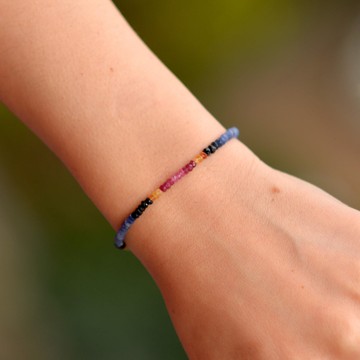
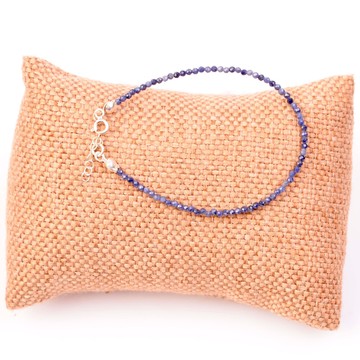
Sapphire is a natural stone used for both aesthetic and technical purposes. In the jewelry industry, it is chosen for its beauty in pieces such as rings, necklaces and bracelets.
Sapphire's high hardness also makes it useful in industry. In precision systems such as watch crystals, optical devices and camera lenses, it serves as a material that protects against scratches.
What Is Sapphire Stone Used For?
Thanks to its durable structure, sapphire stone serves as a functional material in different fields. Its most common use is in jewelry design, where it is chosen for its beauty.
In technical fields, sapphire stone is used in optical systems and watch crystals because it resists scratches so well. Its long life also makes it suitable for industrial applications.
What Color Is a Sapphire Stone?
Sapphire stone is best known for its blue color, but in nature it is not limited to one color. It can also be found in yellow, pink, green and colorless tones.
This color variety comes from differences in the trace elements inside the stone. Each color is shaped by the chemistry of the environment where the stone formed, and this makes sapphire richer to look at.
What Is White Sapphire?
White sapphire is a type of sapphire that is colorless or has very low color intensity. Because of its transparent look, this type of sapphire can create an effect similar to diamond.
White sapphire is chosen in the jewelry industry for simpler, more elegant designs. Its durability is the same as other types of sapphire, so it lasts a long time in use.
What Is Untreated Sapphire?
Untreated sapphire means a sapphire that keeps its natural structure and has had no heat treatment. These stones are entirely the result of the natural formation process.
Untreated sapphire is rarer than treated stones and is therefore considered more valuable. Because its natural structure is undisturbed, it can become a collector's piece.
Sapphire Properties
Sapphire is a stone known for its high hardness, its resistance to scratches and its optical clarity. Its high rank on the Mohs hardness scale makes it a very sturdy mineral.
Its resistance to heat and pressure also allows sapphire to be used in both aesthetic and technical fields. These properties give it a special place among natural stones.
How Much Does a Sapphire Stone Cost?
The price of sapphire stone varies with the stone's color, clarity, size and the quality of its natural formation. Rare, high-quality stones are considered more valuable.
There is no fixed price range for sapphire stone on the market, because every stone has different properties. This means the value of each stone is set individually.
What Is Sapphire Stone Believed to Be Good For?
Some cultural beliefs attach meanings to sapphire stone, such as bringing mental calm and focus. These beliefs rest on traditional interpretations, not on science.
Some people believe sapphire has stress-relieving and balancing effects. For this reason it may be chosen for personal use as a symbolic value.
What Are the Properties of Sapphire Stone?
Sapphire stone is known for physical properties such as high hardness, durability and optical clarity. These properties make it suitable for both jewelry and technical use.
Its availability in different colors and its long-lasting structure also give sapphire an important place among precious stones. The length of its natural formation process is one of its most notable features too.
Frequently Asked Questions About Sapphire
Sapphire forms in the earth's crust when aluminum oxide crystals transform over a long time under high pressure and temperature. This process can take millions of years and is one of the main reasons the stone is rare.
Where Do We Come Across Sapphire in Daily Life?
We meet sapphire mainly as a durable material in watch crystals, camera lenses and some electronic devices. It is also common in jewelry designs.
Why Is Sapphire Considered So Durable?
Sapphire has a high value on the Mohs hardness scale, which makes it very resistant to scratches. Its tight, orderly crystal structure adds to its durability.
What Color Varieties Does Sapphire Have?
Sapphire is best known in blue tones, but it also occurs in yellow, pink, green and colorless forms. The color differences come from the mineral components inside the stone.
Why Is Sapphire Used in Technological Products?
Sapphire resists scratches strongly, so it is preferred especially for protective screen surfaces and optical systems. Its long life improves the durability of technological devices.
What Factors Determine the Value of Sapphire?
Color intensity, clarity, size and the quality of natural formation determine the value of sapphire. Rarer stones with a clearer look are considered more valuable.
Why Is Sapphire Glass Considered a Special Material?
Sapphire glass is made from synthetically produced sapphire crystal, so it has high hardness. This makes it very resistant to scratches.
In Which Areas Is Sapphire Used for Decoration?
Sapphire is used for decoration mainly in jewelry designs such as rings, necklaces and bracelets. Its brilliance and color variety make it visually valuable.
How Rare Is Sapphire in Nature?
Sapphire is among the rare stones in nature because its formation process is long and complex. This is an important factor in raising its value.
What Sets Sapphire Apart From Other Stones?
Sapphire stands apart from many other natural stones through its high hardness and long-lasting structure. It performs strongly in both aesthetic and technical use.