Stones That Are Good for Sleep
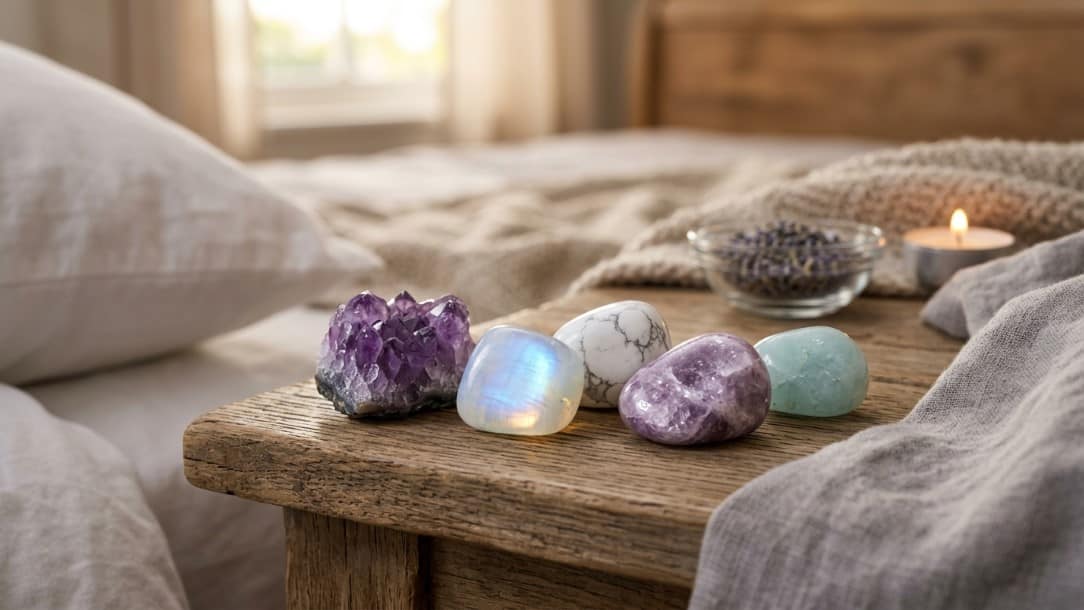
Stones that are good for sleep stand out as one of the areas where natural stones are associated with peace, balance and relaxation in human life. This view has taken shape across many cultures throughout history, where stones were seen not only as beautiful objects but also as something that supports inner balance. Today, factors such as heavy stress, mental fatigue, long hours in front of screens and irregular sleep habits can affect sleep quality, so interest in natural methods has grown. Some natural stones are believed to soften the energy of a space, calm the mind and contribute to a more balanced mood. Amethyst is often chosen for winding down before bed because it is associated with calm and inner peace, while moonstone is believed to support emotional balance and ease mental ups and downs. Turning to these stones goes hand in hand with the wish to create a quieter atmosphere amid the pace of modern life, and it adds a new dimension to people's bedtime rituals. These effects are not scientifically proven, though. They are mostly judged through personal experience, traditional beliefs and individual perception.
Natural Stones for Sleep
People who choose natural stones for sleep usually turn to stones associated with calm and inner peace. Amethyst, moonstone, selenite, aquamarine and lepidolite are among the best-known options. A common belief holds that these stones ease mental tension, lighten stressful thoughts and make it easier to drift off. Using them in bedtime rituals is quite common. Combined with habits such as meditation, breathing exercises or resting in a quiet room, they are thought to create a more balanced atmosphere. Some people keep these stones out in the open in the bedroom, while others prefer to place them near the pillow. The shared goal is a calmer, more peaceful place to sleep.
Sleep Stones
Natural stones known as sleep stones are usually used in the search for mental relaxation and emotional balance. Stress that builds up in the busy rhythm of daily life is known to affect sleep patterns. For this reason, some natural stones are thought to support the process. Stones such as amethyst, moonstone and selenite stand out in this category. A softer, more balanced energy is believed to form in a space where these stones are kept. Choosing a sleep stone depends entirely on personal experience, because each person connects with stones differently. Some people feel a clear sense of calm, while others may have a more neutral experience. For that reason, personal affinity matters more than any single "right" stone.
Does Amethyst Help You Sleep?
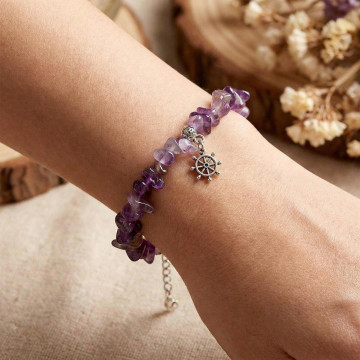
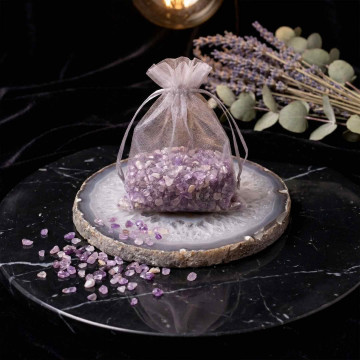
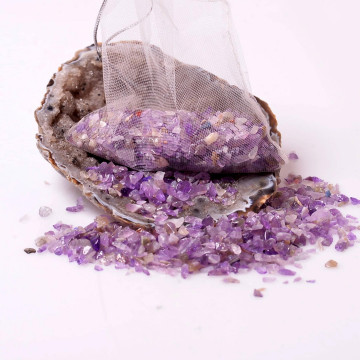
Amethyst is one of the natural stones known for its purple color and beautiful look. There is a strong belief that this stone supports mental calm, eases stressful thoughts and brings a quieter mood. Used before bed, it is thought to help a person unwind more easily. It is especially popular with people who have a busy stream of thoughts. That said, amethyst cannot be claimed to cause sleep directly. The effects depend entirely on personal experience and may not be the same for everyone. Some people feel they relax faster with this stone, while others notice no clear difference. This shows that the effect of natural stones is subjective. Amethyst is usually kept as a decorative object in the bedroom or used during short moments of relaxation before bed.
Does Agate Help You Sleep?
Agate is one of the natural stones that has been used for many years and is known for its range of colors and patterns. It is generally regarded as being associated with a sense of balance, confidence and stability. It is thought to play a supportive role in coping with the stress and mental fatigue of daily life. When it comes to sleep, there are comments that it may increase a feeling of relaxation rather than act as a direct sleep aid. Some people who use agate say they feel calmer, while others may notice no clear change. This difference shows that the effect of the stone depends on personal perception. Agate is among the natural stones often preferred in bedrooms and resting areas.
Frequently Asked Questions About Stones That Are Good for Sleep
Do stones that are good for sleep really affect sleep quality?
The effect of these stones on sleep quality may vary with personal experience and expectations. It is believed that natural stones create an energy field and that this field may support mental calm. Some people say they feel a more relaxed atmosphere in a space with stones after a stressful day. These effects have not been confirmed scientifically, though, and are mostly judged through traditional beliefs and personal observation. The factors that really determine sleep patterns are lifestyle, stress level and sleep habits.
How are natural stones used for sleep?
Natural stones for sleep are usually placed at different points in the bedroom. Keeping one on the nightstand, placing it near the pillow or holding it during meditation are among the most common methods. Some people prefer to use stones in short relaxation rituals before bed. The aim of this use is to calm the mind and make the move into sleep more peaceful. Cleaning stones regularly and caring for them with methods believed to renew their energy are also common practices.
Why is amethyst associated with sleep?
Amethyst is one of the natural stones that has long been associated with calm and peace. Because of its purple color and structure, it is believed to support mental stillness. There are views that it may help reduce the intensity of thoughts and make it easier for a person to relax. For this reason, it has become one of the most popular stones used before bed. Some users say they settle into sleep more easily with amethyst, while others may notice no clear change.
Does amethyst really bring sleep?
There is no firm evidence that amethyst directly brings sleep. This stone is mostly thought to support a feeling of relaxation and mental calm. When the stress and tension around falling asleep ease, getting ready for sleep may become easier indirectly. This does not happen the same way for everyone, though. Some people feel more at peace while using amethyst, while for others the effect may be quite limited. For this reason, amethyst is seen as a supportive element, not a treatment.
Is agate effective for sleep?
Agate is generally associated with a sense of balance, confidence and stability. Because of these qualities, some people choose it as a stone that supports the sleep process. It is thought to contribute to easing mental fatigue and daily stress. Its effect on sleep may vary from person to person, though. Some users say they feel calmer with agate, while others notice no clear effect. This shows that the effects of natural stones can be subjective and may change with expectations.
Where should sleep stones be kept?
Sleep stones are usually kept in the bedroom, at the bedside or on the nightstand. Some people prefer to keep them close to the pillow, while others use them as decoration in different corners of the room. What matters is that the stone sits somewhere the person feels comfortable. A tidy, simple space may also create an atmosphere in which the stones are believed to feel more effective. These ways of using stones can vary entirely with personal preference.
Which natural stones are most often chosen for sleep?
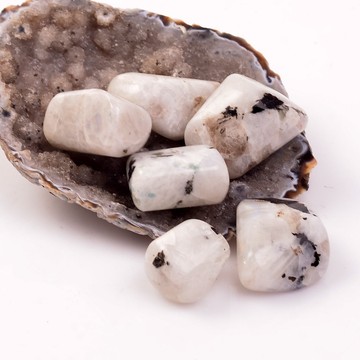
Among the natural stones most often chosen for sleep, amethyst, moonstone, selenite and aquamarine stand out. These stones are believed to have calming and balancing qualities. Amethyst is associated with mental relaxation, while moonstone is thought to support emotional balance. Selenite is one of the stones believed to cleanse the energy of the space it is in. Aquamarine is interpreted as something that may bring a softer, calmer mood. Personal feeling and affinity play an important role in choosing among these stones.
Do sleep stones have the same effect on everyone?
The effect of sleep stones can differ from person to person. Some people feel they relax faster when using these stones, while others notice no clear change. This is closely tied to a person's psychological state, expectations and lifestyle. The effects of natural stones are generally regarded as supportive and do not promise definite results. For this reason, the same effect is not expected for everyone. Personal experience is the most decisive factor here.
How are sleep stones cleaned?
Many people see cleaning sleep stones as a practice that is believed to renew the stone's energy. It is usually done by briefly rinsing with water, cleansing with incense smoke or leaving the stone in moonlight. Because each stone has a different structure, it is important to check whether it is water-safe. When cleaning is done at regular intervals, the stone is thought to give off a more balanced energy. These practices rest entirely on traditional beliefs.
Do sleep stones replace a medical solution?
Sleep stones are not a medical treatment and are not considered enough on their own to solve sleep disorders. They are mostly seen as a supportive and complementary element. If sleep problems continue, it is important to get an expert's opinion. Natural stones may give some people a feeling of relaxation, but this does not replace professional health care. For this reason, sleep stones should be seen only as a helper that supports a lifestyle.