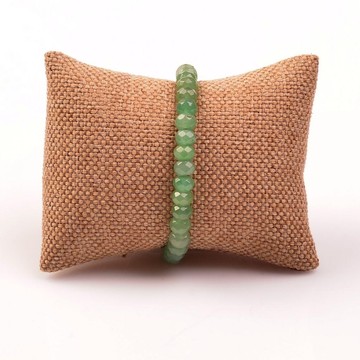
What is a transparent stone? What is a transparent natural stone? Where are transparent stones found? Which natural stone is white and transparent? Where is transparent agate found?
Transparent stones are natural or synthetic stones that let light pass through and usually have a clear, see-through structure. Thanks to the crystal structure of the minerals they contain, these stones reflect and bend light, which gives them their brilliance and sparkle. The best-known transparent stone is zircon, a natural stone that usually occurs in small grains. Its original color is colorless, but it can also appear in gray, blue, red, pink, orange, yellow, brown, and green.
Transparent natural stones can be found in many places around the world. For example, most zircon is mined in Australia, while in Türkiye transparent stones such as agate can be found in regions like Eskişehir, Bilecik, and Camlidere.
White transparent natural stones include varieties such as white diamond, white opal, and white spinel. These stones are valued for their clarity and purity and are mostly used in jewelry making.
Transparent agate, on the other hand, can be found almost anywhere. It occurs mostly along seashores, in deserts, and around hot springs. In Türkiye, the areas with the densest agate deposits include the Black Sea region, Bilecik, Camlidere, Eskişehir, Erzurum, and Yozgat.
Transparent stones add an aesthetic touch to our jewelry and living spaces, and they are believed to help balance energy and bring positive effects. The choice of transparent stones can vary with personal taste and intended use.
Transparent Stone
A transparent stone is a natural mineral or mineraloid material that lets light through thanks to its crystal structure and usually shows brilliance. Because of their beauty and sparkle, these stones are widely used in jewelry and decoration. Transparent stones are clear because their crystal structures are orderly and have few gaps between atoms. Light can pass through this orderly structure almost without obstruction, which makes the stone transparent. Transparent stones can be made of different minerals or mineraloids. Minerals are crystal structures with a specific chemical composition, while mineraloids are naturally occurring substances that are not minerals and are not crystalline. For example, minerals such as quartz, diamond, zircon, and tourmaline, and mineraloids such as opal and amber, are among the transparent stones.
Transparent stones occur naturally in a variety of colors. Quartz, for example, comes in many different colors. Color depends on the elements the stone contains and on its mineral or mineraloid structure. Some transparent stones can take on different shades because of the elements they contain. Transparent stones are usually found in nature, but some are used worked, and others unworked. Worked stones go through processes such as cutting, polishing, and finishing, which make them more attractive and better suited to use. Some natural stones can also be used directly in their natural shapes. Transparent stones are among the most popular choices for jewelry making. Some transparent stones, such as diamond, are valued for their high brilliance and hardness, and they are indispensable parts of jewelry such as rings, necklaces, and earrings. They are also used for decorative purposes, widely in glass art, sculpture, and architecture.
Transparent natural stones hold an important place in the world of jewelry and decoration because of their natural beauty, brilliance, and aesthetic appeal. They can be used as found or worked into different forms, and they come in a wide range of colors.
Transparent Natural Stone
Transparent natural stones are among the most striking gifts nature offers us. They form over millions of years of geological processes deep inside the earth. Their transparency makes them indispensable both in jewelry making and in energy work.
Clear Quartz: Known as the queen of transparent stones, clear quartz is a symbol of purity and strength. It is said to amplify energy and is often used in meditation practices.
Diamond: Sitting at the top of the hardness scale, diamond dazzles with its transparency and sparkle. With its durability and rarity, it is the greatest representative of luxury and love.
Bergamot: Bergamot stone represents peace and calm and is traditionally associated with easing stress and tension. With its transparent, shiny structure, it draws attention through the tiny air bubbles inside it.
Citrine: Regarded as the stone of abundance and wealth, citrine is said to carry the energy of the sun. Its bright yellow tones are associated with joy and vitality.
Transparent natural stones are valued not only for their beauty but also for the meanings they carry. They are believed to play an important role in personal growth and spiritual awakening through the energy they hold. Using them in daily life adds an aesthetic touch, and many people also feel they bring positive energy.
Properties of Transparent Stones
Transparent stones are minerals or mineraloids that naturally let light through and usually show brilliance. They hold an important place thanks to both their natural beauty and their many uses.
Transparency: The most obvious property of transparent stones is, of course, their transparency. Because their crystal structures are orderly, light can pass through the stone almost without obstruction. This gives the stones a bright, sparkling look.
Clarity: The clarity of a transparent stone depends on how few air bubbles, cracks, or mineral flaws it contains. Stones with fewer internal flaws and a high clarity grade let more light through and look brighter.
Color Variety: Transparent stones occur naturally in a variety of colors. For example, amethyst, a transparent stone of the quartz family, is purple, while citrine can be yellow. This color variety relates to the elements and chemical composition the stone contains.
Hardness: The hardness of transparent stones is usually determined with the Mohs hardness scale. Some transparent stones, such as diamond, rank at the very top of the Mohs scale, while others have lower hardness. Hardness matters for a stone's durability and scratch resistance.
Luster: Transparent stones naturally have a shiny surface. This shine comes from a smooth surface that reflects light evenly. The luster of a stone can be increased by the quality of the cut and by polishing.
Chemical Resistance: Many transparent stones resist chemicals. Some stones, however, can be sensitive to chemicals such as acids or bases. For this reason, the chemical properties of the environment where a stone will be used should be taken into account.
Natural and Worked Forms: Transparent stones are usually found in nature, but some are used worked, and others unworked. Worked stones go through processes such as cutting, polishing, and finishing, which make them more attractive and better suited to use.
Uses: Transparent stones are widely used for decorative purposes, above all in the jewelry industry. Transparent stones such as diamond, zircon, sapphire, and quartz are used in rings, necklaces, and earrings, as well as in sculpture, architecture, and glass art.
Transparent stones are important and valuable minerals because of their natural beauty, color variety, and uses. They can be used as found or worked into different forms, and they have a wide range of uses.
Names and Properties of Different Types of Transparent Stones
It can range from colorless to different colors. It has a high clarity grade, a special sparkle, and high brilliance. It is used in jewelry, industrial cutters, and tools.
Blue is the most common color, but it can also be yellow, pink, green, or colorless. It has a high clarity grade and a bright appearance. It is used in jewelry, watch crystals, and optical components.
It can come in various colors such as colorless, yellow, brown, blue, and green. It can have a high clarity grade and a bright appearance. It is used in jewelry and decorative stones.
It can come in various colors such as colorless, purple (amethyst), pink (rose quartz), yellow (citrine), and purple-yellow (ametrine). It has a high clarity grade and a bright appearance. It is used in jewelry, decorative stones, electronics, and industrial applications.
It can come in various colors such as colorless, blue, yellow, red, and brown. It can have a high clarity grade and a bright appearance. It is used in jewelry, decorative stones, and industrial applications.
It is purple and can come in different shades. It has a high clarity grade and a bright appearance. It is used in jewelry, decorative stones, and spiritual practices.
It is a stone group that can come in various colors such as colorless, blue, green, and yellow. It has a high clarity grade and a bright appearance. It is used in jewelry, decorative stones, and optical lenses.
Aquamarine is a blue transparent stone associated with the sea and calm. It is often used in jewelry and accessories.
With their different colors, hardness levels, and uses, these transparent stones have a wide range of applications in the jewelry industry and the world of decoration.
There are other stones besides the transparent stones mentioned above. In addition, non-transparent versions of the mentioned stones also exist.
Believed Benefits of Transparent Stones
Transparent stones are believed to offer both physical and emotional benefits to people through their natural beauty and properties.
Transparent stones are said to help balance the chakras and regulate the flow of energy. Transparent stones such as quartz in particular are thought to help cleanse the chakras and bring them into balance. They are also said to help reduce stress and calm the mind. Transparent stones such as diamond are thought to increase mental clarity and bring spiritual peace. Some transparent stones are believed to help improve focus and prevent distraction, which may make work or study more productive. Used in meditation and spiritual practice, transparent stones are said to allow deeper inner exploration. These stones are believed to calm the mind and make it easier to reach inner guidance. They are also said to help increase mindfulness and spirituality. When used in the right way, they are believed to support spiritual growth and help a person reach a deeper understanding.
Transparent stones are traditionally associated with attracting positive energy and letting go of negative energy. This is believed to help a person keep emotional balance and stay in a positive mood. They are also believed to bring the energy centers of the body into balance, which is traditionally thought to support physical well-being. According to these beliefs, they may support the body's natural healing process. These are traditional beliefs, not medical claims. Transparent stones can also be used for aesthetic and decorative purposes, not only for their spiritual and physical associations. In jewelry, home decoration, and works of art, transparent stones can add an aesthetic look.
Transparent stones are traditionally associated with many spiritual and physical benefits. Everyone's experience is different, though, and the effects of transparent stones may vary from person to person. For this reason, you should consider your individual needs and your purpose before using transparent stones.
Cleaning and Care of Transparent Stones
Transparent stones need regular cleaning and care to keep their long-lasting, shiny look.
It is important to use a gentle cleaning method for transparent stones. Gently wiping the surface of the stone with a soft brush or a clean cloth can help remove built-up dirt and oil. Warm water and a mild soap can be used to clean transparent stones. It is important, however, to wash the stone with a soap that is not chemically harsh. The surface of the stone is gently rubbed with a soft brush or cloth dipped in soapy water, then rinsed. Acids, alcohols, and other chemicals should not be used to clean transparent stones. Such substances can scratch or damage the surface of the stone. Also avoid harsh and abrasive cleaning materials during cleaning. After cleaning, the stone should be rinsed thoroughly with clean water and then gently dried with a soft cloth or towel. This keeps water droplets or residue from staying on the surface of the stone. Some transparent stones can be given a protective coating to help keep their color and brilliance for a long time. This coating should be applied by experts, however, and a suitable material that will not damage the natural structure of the stone should be chosen. Transparent stones should be kept away from direct sunlight and extreme heat. To keep stones from touching each other, it is also recommended to store them in separate compartments or wrapped in a soft material. Transparent stones should be checked and maintained at regular intervals by a professional jeweler or stone expert. This helps the stones last long and keep their natural beauty.
Jewelry or decorative items with transparent stones should be handled with care during daily activities. Avoid heavy impact or friction, and take care to keep the stones from being scratched or damaged.