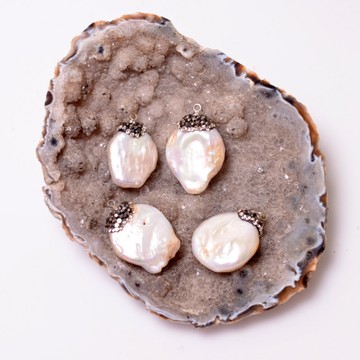
What Does Pearl Mean?
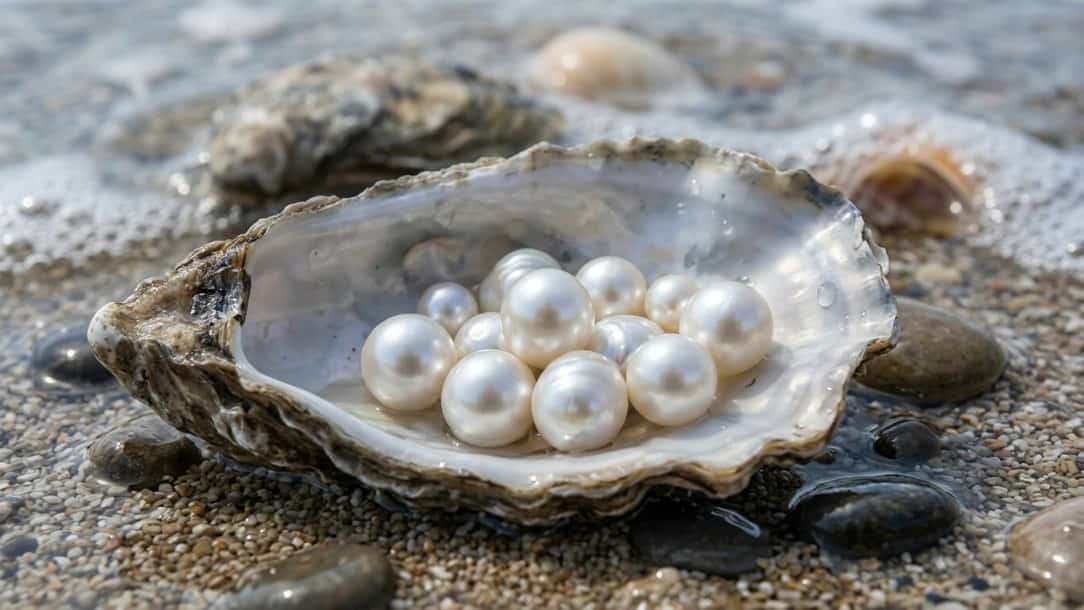
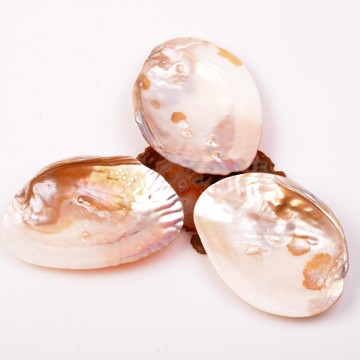
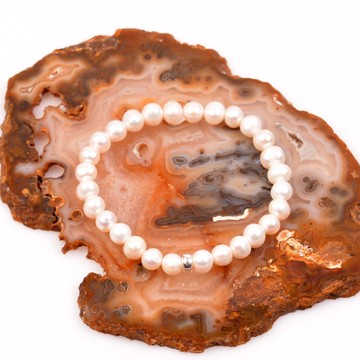
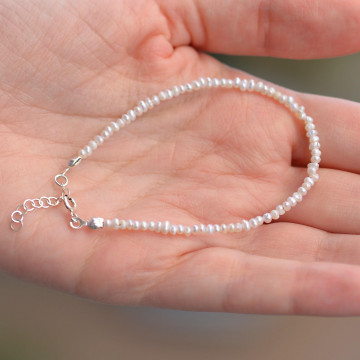
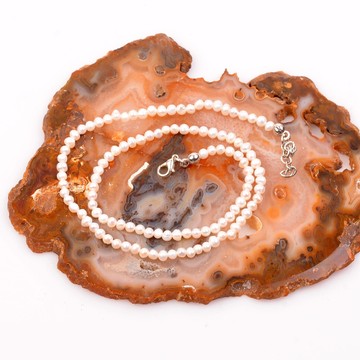
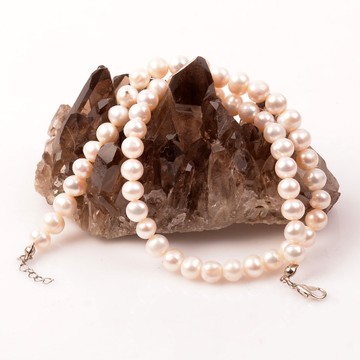
A pearl is an organic formation that develops over time inside the shells of certain mollusks. It is considered valuable for its lustrous surface and beautiful appearance. It forms when a foreign particle enters a sea creature such as an oyster or mussel, and the creature coats it with layers of mother-of-pearl to protect itself. Because of this long, layered process, pearl is rare in nature and has been treasured throughout history. Its natural luster and soft reflection of light give it an important place in the jewelry world. A pearl necklace offers an elegant, classic look, while a pearl bracelet and similar accessories bring understated, graceful style. A pearl is therefore seen as more than an ornament. It is a special formation that nature shapes with patience.
What Is a Pearl?
A pearl is a biological formation that develops inside certain mollusks living in sea and freshwater environments. When a foreign substance enters its body, the creature makes it harmless as a defense mechanism by coating it layer by layer with mother-of-pearl. As these layers build up over time, the pearl forms. When the process is complete, each pearl has its own structure, degree of luster, and surface shape. Because of these differences, no two pearls in nature have exactly the same features, and each carries its own character. This adds to their beauty and to their importance in collecting and the jewelry trade.
What Is the Meaning of a Pearl?
In many cultures, the pearl is a symbol associated with purity, elegance, innocence, and value. Its bright, smooth structure reflects light softly, and it is thought to represent inner beauty and clarity. Because it forms patiently, layer by layer, over a long time, it is also seen as a symbol of effort, maturity, endurance, and valuable processes that take time. For this reason, the pearl is considered more than a decorative stone. It is a cultural symbol with deep meanings. Throughout history, different societies have treated it both as an accessory for special occasions and as an expression of high spiritual value.
What Does Pearl Signify?
In general, a pearl is seen as a symbol of elegance and precious formations. Its rarity in nature and the long time it takes to form give it a special meaning. In many cultures it is a symbol of important moments and treasured bonds. It is also regarded as a symbol that emphasizes inner value over outward appearance.
How Much Is a Genuine Pearl?
A genuine pearl is a natural product whose value depends on many factors, including how it formed, its luster, its surface quality, and its size. Natural pearls that form on their own are rare, so they are considered more valuable. Cultured pearls grown in controlled environments are more common and more accessible. Pearl values are therefore not fixed. They are known to vary with the features of each piece.
How Much Is a Single Pearl?
A single pearl is an individual formation judged by its own physical and aesthetic features. Each pearl forms under different conditions in nature, so it is quite hard to find two pearls with exactly the same features. This makes every pearl unique, and it becomes one of the most important factors in determining its value.
How Much Is a Pure Pearl?
A pure pearl is a pearl that has had no treatment, or only minimal intervention, and keeps its natural structure. These pearls are rarer, so they fall into a special value category. Luster, surface smoothness, and natural formation features are the main factors that determine a pure pearl's value.
What Does Pearl Stone Mean?
The term pearl stone is used for formations with a luster and look similar to a pearl. Some sources mention it alongside pearl, but it can differ in structure. These formations are mostly used for decorative purposes. They are known not to go through the same biological process as a natural pearl.
What Does Black Pearl Mean?
A black pearl is a special type of pearl with dark tones. Its color can appear with gray, greenish, or dark purple reflections. Black pearls are rare and stand out with their varied color tones, so they carry a special aesthetic value and create a bold look in jewelry designs.
What Does the Word Pearl Mean?
A pearl is generally defined as a natural formation that develops over time inside sea and freshwater creatures and is coated with layers of mother-of-pearl. It is considered a valuable material with both aesthetic and symbolic meanings. Because of its elegant look and rarity, it has been used throughout history as an important ornament and status symbol.
Frequently Asked Questions About the Meaning of Pearl
A pearl forms when a foreign particle enters a mollusk such as an oyster or mussel and is gradually coated with layers of mother-of-pearl. The creature does this as a defense mechanism, and the process can take many years. As the layers build up, the shiny, hard structure known as a pearl emerges.
Why is a pearl valuable?
A pearl is considered valuable because it is rare, takes a long time to form, and looks beautiful. It is not always possible to find pearls of the same quality in nature, so each piece has its own character. This makes the pearl important for both jewelry and collecting.
Is a pearl a natural stone or something else?
A pearl is not a mineral stone. It is a biological formation. In other words, it is not a mineral extracted from underground. It is an organic product that develops inside living organisms. This sets it apart from other precious stones.
What colors can a pearl be?
Pearls are best known in white tones, but they also come in cream, pink, gray, black, and gold. Color differences depend on the environment where the pearl formed, the type of creature, and the structure of the mother-of-pearl layer. This variety adds to the pearl's beauty.
How do you clean pearl jewelry?
Pearl jewelry is delicate, so it should not be cleaned with harsh chemicals. Wiping it with a slightly damp, soft cloth is usually enough. We recommend not leaving it in water for long and keeping it away from chemical products.
How can you tell a genuine pearl?
A genuine pearl usually has a slightly rough surface and reflects light softly. The weight and the temperature feel of genuine pearls differ from synthetic products. These features can help tell them apart when you look closely.
Where are pearls used?
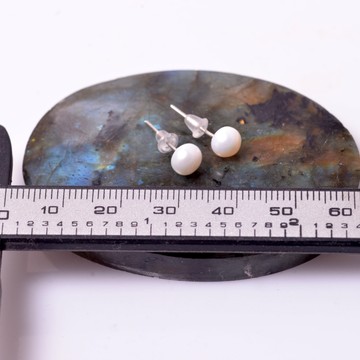
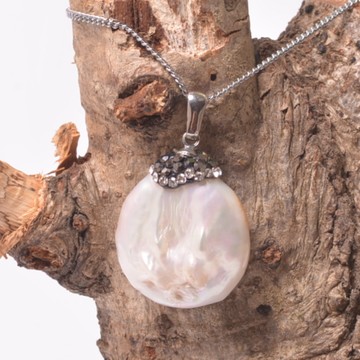
Pearls are used most often in jewelry designs and are an important part of accessories such as necklaces, bracelets, and earrings. They are also chosen for decorative products and custom design objects. Their elegant look gives them a place in both classic and modern designs.
Does a pearl deteriorate over time?
A pearl is a natural organic material, so over time it can be affected by moisture, chemicals, and improper storage. Its luster may fade or its surface may turn matte. Proper care is therefore important.
Why does a pearl look shiny?
A pearl's luster comes from the mother-of-pearl layer reflecting light softly. This layered structure bends light at different angles, which gives the pearl its own distinctive glow. This feature sets it apart from other materials.
What does a pearl represent in different cultures?
In many cultures, a pearl represents purity, elegance, and inner beauty. Because it forms with patience, it is also seen as a symbol of maturity and valuable processes. It is therefore a formation with strong aesthetic and symbolic meaning.