What is a chakra? Which are the 7 chakra points? What are chakras for? According to the view accepted in Asian cultures and Indian philosophy, a chakra is an energy connection point in our body. These are said to cover both biophysical and metaphysical energies.
What is a chakra? What does chakra mean? What is the sacral chakra? What are the properties and meanings of chakras? What are the 7 chakras? What are the chakra stones and colors? Chakra is a concept rooted in ancient Indian teachings and used to describe the energy centers in the human body. The word chakra means 'wheel' or 'spinning disk' in Sanskrit, and it describes specific points where life energy is believed to flow in the body. According to the traditional understanding, the human body has seven main chakras, and each one is associated with physical, emotional, mental, and spiritual areas. The root chakra is associated with trust, belonging, and vitality. The sacral chakra is associated with creativity, emotions, and relationships. The solar plexus chakra is associated with self-confidence and willpower. The heart chakra is associated with love, compassion, and a sense of connection. The throat chakra is associated with communication and self-expression. The third eye chakra is associated with intuition and awareness. The crown chakra is associated with spiritual connection and inner wholeness. Balanced chakras are believed to help a person feel calmer, more harmonious, and more energetic. These concepts should not be taken as definite diagnoses or treatments from the standpoint of modern medicine. They are approached instead within spiritual, personal awareness, and holistic lifestyle practices. Practices such as meditation, breathing exercises, yoga, affirmations, color therapy, and the use of natural stones are traditionally thought to support chakra balance. For example, natural stones such as amethyst, quartz, agate, lapis lazuli, and jade are believed to carry energies in harmony with certain chakras. These effects may vary with personal experience and belief. The chakra system is seen as a symbolic and spiritual guide that helps a person observe their own body, emotions, and inner world more closely. The answer to 'what is a chakra' is therefore not limited to energy centers. It is also a broad teaching about the human search for balance, awareness, and inner harmony.
What Is a Chakra?
The word chakra comes from Sanskrit. Its literal meaning is 'turn,' 'wheel,' or 'disk.' Chakra is a Sanskrit word meaning 'wheel.' Used in Hindu and Buddhist belief systems, the term names the points in the human body that are regarded as energy centers. These energy centers are said to be linked to the nervous system, the endocrine glands, and other organs in our physical body. The chakra system also plays an important role in many yoga and meditation techniques that aim to support spiritual and physical balance.
According to various beliefs, and Hindu traditions in particular, chakras are energy centers located in the human body. These centers are believed to be made up of energy fields that spin like whirlpools. This is why they are called 'chakras.'
What Does Chakra Mean?
What does chakra mean? Chakra is a word of Sanskrit origin, and it refers to the energy centers that hold an important place in Eastern cultures such as Hinduism and Buddhism. The word chakra means 'wheel' or 'spinning energy.' The seven main chakras in our body are said to represent the flow of life energy, and they are believed to influence our physical, emotional, mental, and spiritual well-being.
First Chakra: Root Chakra (Muladhara)
The root chakra is located at the base of our body, at the bottom of the spine. It is associated with security, stability, and basic needs. Its color is red.
Second Chakra: Sacral Chakra (Svadhisthana)
The sacral chakra is located in the abdomen, just below the reproductive organs. It is associated with creativity, emotional balance, and sexuality. Its color is orange.
Third Chakra: Solar Plexus Chakra (Manipura)
The solar plexus chakra is located just above the breastbone, in the stomach area. It is associated with personal power, self-esteem, and willpower. Its color is yellow.
Fourth Chakra: Heart Chakra (Anahata)
The heart chakra is located in the middle of the chest and is linked with the heart. It is associated with love, compassion, forgiveness, and relationships. Its color is green.
Fifth Chakra: Throat Chakra (Vishuddha)
The throat chakra is located in the throat area and is associated with communication. It is associated with self-expression, honest communication, and creativity. Its color is blue.
Sixth Chakra: Third Eye Chakra (Ajna)
The third eye chakra is located in the forehead area and is associated with insight, intuitive perception, and spiritual awareness. Its color is indigo blue or purple.
Seventh Chakra: Crown Chakra (Sahasrara)
The crown chakra is located at the very top of the head and is associated with spiritual connection, universal wisdom, and spiritual enlightenment. Its color is purple or white.
Balanced chakras are believed to let the life energy in our body flow freely and to support our physical, emotional, mental, and spiritual well-being. Practices such as yoga, meditation, breathing exercises, and reiki are said to help chakras work in balance and harmony.
When chakras are unbalanced or blocked, it is believed that physical discomfort, emotional imbalance, or spiritual distress may follow. For this reason, balancing and cleansing the chakras is considered important. Practices used for this purpose include chakra meditations, stone therapy, aromatherapy, and energy work.
Knowing the meaning and traditional effects of chakras can help us understand our own body and spirit better. Shaped by thousands of years of Eastern wisdom, chakras are growing in importance in the modern world. Knowledge of chakras and their practices can be a valuable resource for getting to know ourselves, finding inner balance, and balancing our life energy.
Definition and Origin of Chakras
Chakras are energy centers located at specific points in the body and are believed to regulate the flow of life energy. The Sanskrit word 'chakra' means 'wheel' or 'spinning.' The concept emerged in ancient India through yoga and meditation practices, and over time it also found a place in modern alternative medicine.
How Chakras Work
Chakras are thought to sit along an energy line that runs the length of the spine, and energy is assumed to flow through it. This energy line is known as 'kundalini.' It starts at the base of the spine and extends to the top of the head. Open and balanced chakras are said to let energy flow freely, which is considered important for physical well-being, emotional balance, and spiritual growth.
Energy Flow and Blockages
Chakras are believed to let energy flow smoothly, but factors such as stress, trauma, or negative emotions are thought to block this flow. Energy blockages are believed to lead to physical discomfort, emotional imbalance, and spiritual stagnation. Chakra work and meditation are said to clear these blockages and let energy flow freely again.
What Are Chakras For?
According to the claim, chakra points channel energy correctly and direct it to the related areas of the body. By balancing the flow of energy, they are said to bring order to physical and mental processes.
For chakras to show these effects, they are said to need to be open. An imbalance is thought to bring the flow of energy to a halt.
Each chakra represents specific areas. When a chakra is blocked, mental, psychological, and bodily problems are said to appear.
Chakra Stones
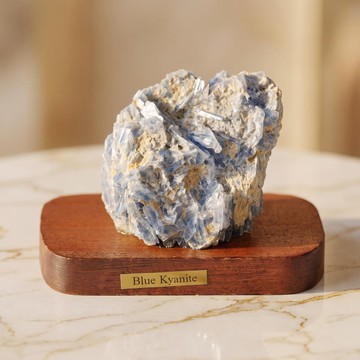
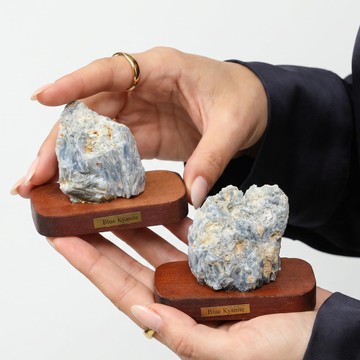
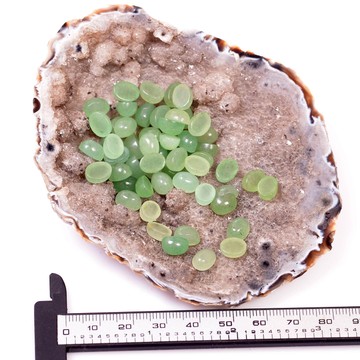
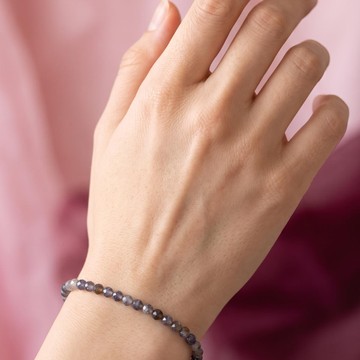
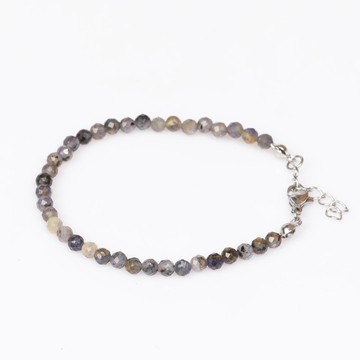
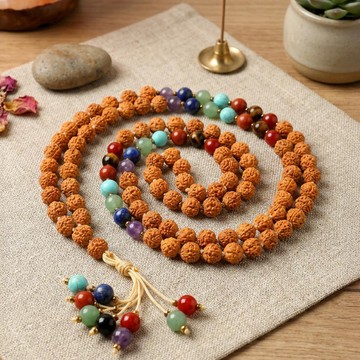
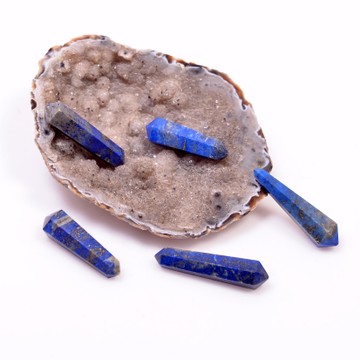
Chakra stones are natural stones associated with the chakras, which are regarded as the body's energy centers. They are especially popular in meditation, yoga, energy work, and personal awareness practices. According to the traditional understanding of chakras, the human body is thought to have seven main chakras, and each one is believed to be linked to a particular color, emotion, area of life, and kind of energy. For this reason, people choosing chakra stones look at the stone's color, its symbolic meaning, and the energy center it represents. For the root chakra, stones such as red jasper, hematite, or obsidian are generally thought to support a sense of security and grounding. For the sacral chakra, stones such as carnelian and moonstone are associated with creativity, emotional balance, and vitality. For the solar plexus chakra, stones such as citrine, tiger's eye, and yellow agate are believed to support self-confidence and willpower. For the heart chakra, rose quartz, jade, and aventurine are mentioned alongside love, compassion, and inner peace. For the throat chakra, blue-toned stones such as aquamarine, lapis lazuli, and sodalite are known to be favored for communication and self-expression. For the third eye chakra, stones such as amethyst and fluorite are associated with intuition, awareness, and mental clarity. For the crown chakra, stones such as amethyst, selenite, and clear quartz are traditionally used in work on spiritual connection and inner balance. Chakra stones should not be seen as a definite treatment. They are better understood as symbolic aids that strengthen a person's intention, help with focus, and accompany the search for inner balance. The effects of natural stones may vary from person to person, so when choosing a chakra stone, it is a good idea to consider both traditional meanings and your own feelings.
Chakra Colors
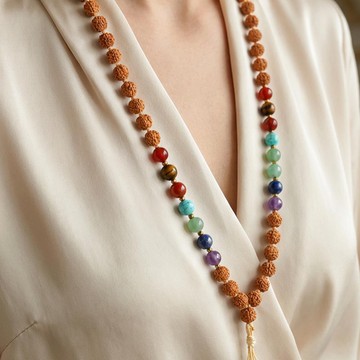
Chakra colors are the symbolic colors associated with the seven main chakras, which are regarded as the body's energy centers. Each color is thought to represent a different emotion, thought, and area of life. In the traditional teaching, the root chakra is linked with red and is associated with security, belonging, vitality, and grounding. The sacral chakra is associated with orange and is considered together with creativity, emotions, a sense of pleasure, and vitality. The solar plexus chakra is represented by yellow and is believed to carry symbolic meaning for self-confidence, willpower, personal strength, and determination. The heart chakra is expressed in green and sometimes pink tones, and is thought to be associated with love, compassion, forgiveness, empathy, and emotional balance. The throat chakra is linked with blue and is associated with communication, self-expression, speaking honestly, and making your inner voice heard. The third eye chakra is represented by navy or indigo tones and is known to be associated with intuition, awareness, insight, and mental clarity. The crown chakra is symbolized by purple, violet, or white light and is discussed alongside spiritual connection, wholeness, spiritual awareness, and universal consciousness. Chakra colors can be used as a guide in meditation, yoga, breathing practices, color therapy, and the choice of natural stones. For example, red jasper may be associated with root chakra work, carnelian with the sacral chakra, citrine with the solar plexus, rose quartz with the heart chakra, lapis lazuli with the throat chakra, and amethyst with third eye and crown chakra work. These colors and stones should be seen not as practices that deliver definite results, but as symbolic supports that strengthen a person's intention and are believed to increase awareness. Chakra colors are regarded as a meaningful guide that helps people observe their body, emotions, and spiritual balance more consciously. They are said to represent the vibration and energy of each chakra. These colors are believed to offer important clues for balancing the chakras and letting energy flow freely. Colors are also used in chakra balancing and healing practices.
1. Root Chakra (Muladhara) - Red
- Location: Base of the spine
- Color: Red
- Meaning: Red represents energy, vitality, and survival. The root chakra is associated with safety, physical identity, and basic needs. The color red is said to energize and strengthen the energy of the root chakra.
2. Sacral Chakra (Svadhisthana) - Orange
- Location: Lower abdomen
- Color: Orange
- Meaning: Orange represents creativity, sensuality, and emotional balance. The sacral chakra is associated with creativity, emotional identity, and pleasure. The color orange is said to increase and balance the energy of the sacral chakra.
3. Solar Plexus Chakra (Manipura) - Yellow
- Location: Just above the navel
- Color: Yellow
- Meaning: Yellow represents personal power, self-confidence, and willpower. The solar plexus chakra is associated with personal identity, power, and willpower. The color yellow is said to support and strengthen the energy of the solar plexus chakra.
4. Heart Chakra (Anahata) - Green
- Location: Chest, the heart area
- Color: Green
- Meaning: Green represents love, compassion, and emotional bonds. The heart chakra is associated with love, empathy, and emotional balance. The color green is said to help balance and open the energy of the heart chakra.
5. Throat Chakra (Vishuddha) - Blue
- Location: Throat area
- Color: Blue
- Meaning: Blue represents communication, expression, and truthfulness. The throat chakra is associated with self-expression, communication, and honesty. The color blue is said to increase and balance the energy of the throat chakra.
6. Third Eye Chakra (Ajna) - Indigo
- Location: Forehead, between the eyebrows
- Color: Indigo (dark blue)
- Meaning: Indigo represents intuition, insight, and mental clarity. The third eye chakra is associated with intuition, insight, and spiritual awareness. The color indigo is said to strengthen and open the energy of the third eye chakra.
7. Crown Chakra (Sahasrara) - Purple or White
- Location: Top of the head
- Color: Purple or White
- Meaning: Purple and white represent spiritual connection, enlightenment, and universal consciousness. The crown chakra is associated with spiritual harmony, universal consciousness, and enlightenment. The color purple or white is said to increase and help balance the energy of the crown chakra.
The Chakra System
The chakra system is a concept that refers to the body's energy centers and holds an important place especially in Hinduism, Buddhism, and other Eastern philosophies. These energy centers are regarded as channels that are believed to influence and balance a person's physical, emotional, and spiritual states. The chakra system is believed to help people optimize their energy flow and lead a healthier, more balanced life. It consists of seven main energy centers in our body. Each chakra is associated with a particular color, vibration, and symbol. It is also believed that each chakra has a particular physical, emotional, and mental influence.
The Seven Main Chakras
In Hindu and Buddhist traditions, seven main chakras are described. Each has its own color, symbol, and mantra. Here are the characteristics of these seven chakras:
1. Root Chakra (Muladhara)
- Location: Base of the spine, the perineum area
- Color: Red
- Element: Earth
- Mantra: Lam
- Function: Safety, survival, physical identity
- When Balanced: Sense of trust, stability, vitality
- When Imbalanced, Traditionally Linked To: Fear, insecurity, physical discomfort
2. Sacral Chakra (Svadhisthana)
- Location: Below the navel, the lower abdomen
- Color: Orange
- Element: Water
- Mantra: Vam
- Function: Creativity, sensuality, emotional identity
- When Balanced: Creativity, sexual energy, emotional balance
- When Imbalanced, Traditionally Linked To: Emotional imbalance, lack of creativity, sexual difficulties
3. Solar Plexus Chakra (Manipura)
- Location: Just above the navel
- Color: Yellow
- Element: Fire
- Mantra: Ram
- Function: Personal power, self-confidence, willpower
- When Balanced: Self-confidence, willpower, ability to make decisions
- When Imbalanced, Traditionally Linked To: Lack of self-confidence, powerlessness, digestive discomfort
4. Heart Chakra (Anahata)
- Location: Chest, the heart area
- Color: Green
- Element: Air
- Mantra: Yam
- Function: Love, compassion, emotional bonds
- When Balanced: Loving relationships, empathy, emotional balance
- When Imbalanced, Traditionally Linked To: Heartbreak, emotional coldness, hatred
5. Throat Chakra (Vishuddha)
- Location: Throat area
- Color: Blue
- Element: Ether
- Mantra: Ham
- Function: Communication, expression, truthfulness
- When Balanced: Effective communication, self-expression, honesty
- When Imbalanced, Traditionally Linked To: Difficulty expressing yourself, communication problems, throat discomfort
6. Third Eye Chakra (Ajna)
- Location: Forehead, between the eyebrows
- Color: Indigo
- Element: Light
- Mantra: Om
- Function: Intuition, insight, the mind
- When Balanced: Strong intuition, clear thinking, insight
- When Imbalanced, Traditionally Linked To: Mental confusion, lack of intuition, headaches
7. Crown Chakra (Sahasrara)
- Location: Top of the head
- Color: Purple or white
- Element: Cosmic energy
- Mantra: Silent (the mantra is repeated silently)
- Function: Spiritual connection, enlightenment, universal consciousness
- When Balanced: Spiritual harmony, universal consciousness, enlightenment
- When Imbalanced, Traditionally Linked To: Spiritual disconnection, lack of meaning, low mood
What Are the 7 Chakras? What Are Their Properties?
Every chakra has its own color, function, and location. So, what is a chakra? What are the chakras and their properties? The question is answered for each one separately below:
1. Root Chakra:
The chakra with the most intense energy, it is located around the tailbone. Also known as the 1st chakra, the Root Chakra is symbolized by a four-petaled lotus flower. Its color is red.
- It is associated with a sense of connection to life,
- Trust,
- Belonging,
- And the foundation of existence.
- When this chakra is said to be active, a person feels trust in themselves and their surroundings. When it is said to be blocked, feelings such as fear and anxiety are believed to appear. Digestive discomfort and financial difficulties are also among the other troubles traditionally thought to follow when this chakra is blocked.
2. What Is the Sacral Chakra?
Located about 2 fingers below the navel, this chakra is orange. Its symbol is a 6-petaled lotus flower.
- It is regarded as the representative of productivity,
- A sense of pleasure,
- Sensuality,
- And imagination.
- Imbalances in this chakra are said to lead a person to constant guilt, a victim mindset, and pessimism. It is also traditionally believed that a blockage here may set the stage for problems related to reproduction, the urinary tract, and the kidneys.
- When the sacral chakra is said to work actively and correctly, you express yourself easily. You do not experience sexual reluctance and you form healthy relationships.
3. Solar Plexus Chakra:
It sits 3 fingers above our navel. The symbol of this yellow chakra is an 8-petaled lotus flower.
- It is a symbol of empathy,
- Self-respect,
- Resilience,
- Strength,
- Courage,
- And willpower.
- Constantly feeling shame and lacking self-confidence are said to point to a blockage in this chakra. Extreme tiredness, mood swings, and low mood are also described as some of the signs of a blockage here.
- It is also traditionally claimed that when this chakra is not working properly, it may be linked to ulcers, pancreas problems, diabetes, and liver disease. These are traditional beliefs, not medical claims.
4. Heart Chakra:
It sits right in the middle of the rib cage. It is green. The symbol used for this chakra is a lotus flower with 10-12 petals.
- It is associated with love, passion, and peace.
- It is said to be connected with the lungs and respiratory tract.
- When this chakra is said to be active and healthy, a person can always feel loving, peaceful, calm, and serene.
- If the heart chakra channels are said to be blocked, feelings such as resentment, anger, grudge, jealousy, sadness, and grief are believed to appear.
5. Throat Chakra:
As its name suggests, it is located at the throat. Symbolized by a lotus flower with 16 petals, this chakra expresses honesty and healthy communication.
- Neck pain, the thyroid, the vocal cords, and goiter are identified with this chakra in tradition.
- If your throat chakra is said to be open, you do not struggle to voice your thoughts and you get along well with people.
- You do not hesitate to speak frankly.
- A closed throat chakra is said to make it hard to express yourself. If you feel a constant need to lie or cannot build long-term relationships, the blockage in this chakra may need to be cleared, according to this belief.
6. Brow Chakra:
The question what is the brow chakra? can also be answered with 'Third Eye Chakra.' Its flower is a lotus with 100 petals, and its color is purplish blue.
- Clairvoyance,
- Intuition,
- Inner knowledge,
- The ability to focus,
- Perceptiveness,
- And telepathy are seen as its symbols.
- It is said that people whose brow chakra works in a healthy way show a balanced mood.
- If you think you often make wrong decisions or fail to see the truth behind many events, this is said to point to a blockage in your brow chakra.
- When this chakra is said to be blocked, you are believed to experience loss of hearing or sight, sinusitis, or headaches.
7. Crown Chakra:
It is shown with a thousand-petaled lotus flower and the color purple. It is the chakra located at the top of our head.
- It is linked with concepts such as divine power,
- The true self,
- Living in the moment,
- Conscious awareness,
- And purpose in life.
- It has been said that if this chakra is blocked, an excessive attachment to material matters will develop and a person will limit themselves to the physical world.
- If you have problems such as feeling like a stranger to yourself or difficulty learning, this is said to mean there is a blockage in your crown chakra.
Chakra Balancing
Chakras working in a balanced and harmonious way is considered important for a person's spiritual and physical well-being. It is believed that imbalanced or blocked chakras may be linked to various health problems. For this reason, many different methods are used to balance the chakras. These include techniques such as yoga, meditation, reiki, tai chi, aromatherapy, stone therapy, color therapy, and healing practices.
Yoga and meditation are among the methods most often used to balance the chakras. Certain yoga poses (asanas) and breathing techniques (pranayama) are used to balance and activate the chakras. Meditation, by calming the mind, is believed to help balance the energy of the chakras.
Another method used to balance the energy centers. In this technique, the practitioner places their hands on specific chakra points and tries to balance the flow of energy. Aromatherapy is believed to help balance the chakras through the use of various plant extracts. For example, lavender oil is traditionally used to balance the heart chakra, while orange oil is said to help balance the sacral chakra.
Chakra Balancing and Healing
Balancing the chakras is considered important for maintaining physical, emotional, and spiritual well-being. Here are some methods traditionally used to balance the chakras and for healing practices:
1. Meditation
Meditation is regarded as one of the most effective methods for balancing the chakras. Repeating a specific mantra for each chakra or focusing on the chakra colors is believed to balance energy.
2. Yoga
Yoga is regarded as an excellent tool for awakening and balancing the body's energy centers. Certain asanas (poses) and breathing techniques in particular are believed to help open the chakras and let energy flow freely.
3. Crystals
Each chakra is associated with particular crystals. For example, red jasper can be used for the root chakra and green aventurine for the heart chakra. You can place crystals on the chakra points or carry them with you, with the intention of balancing your energy.
4. Sound Therapy
Sound therapy is a method believed to help balance the chakras. Bells, Tibetan bowls, and other sound therapy tools can be used to balance the energy of the chakras.
5. Reiki and Energy Healing
Reiki and other energy healing techniques are believed to help balance the chakras. In these methods, the healer uses their hands to direct energy and is said to help open the chakras.
Functions and Effects of the Chakras
Each chakra is believed to have particular effects on physical, emotional, and spiritual well-being. For example, the root chakra is associated with basic needs and a sense of security, while the heart chakra is linked with feelings of love and compassion.
Methods for Balancing the Chakras
There are many methods for balancing the chakras, such as yoga, meditation, reiki, and crystal therapy. A balanced chakra system is believed to contribute to a general sense of well-being and a higher level of awareness.
Chakras in the Modern Age
Today, chakras are used as both a spiritual and a therapeutic tool. Their importance in stress management, emotional healing, and personal growth is said to be growing.
What Is a Chakra? What Are Chakra Stones? An Overview
According to various belief systems, chakras are points of energy connection. They are believed to balance physical, spiritual, and mental well-being. Chakra stones are the names of the stones attributed to each of the 7 chakras and traditionally used to regulate their energies:
- Muladhara: Red Tourmaline
- Svadhishthana: Fluorite
- Manipura: Amethyst
- Anahata: Marble
- Vishuddha: Sapphire
- Ajna: Lapis Lazuli
- Sahasrara: Quartz
These natural stones can be used with techniques such as meditation and reiki. When these points are believed not to work properly, they are said to bring many health and psychological problems. Examples include irritability, insecurity, restlessness, body aches, and fatigue.
Frequently Asked Questions About Chakras
What does chakra mean?
Chakra is a concept of Sanskrit origin and is generally used to mean 'wheel,' 'disc,' or 'spinning energy center.' In traditional Indian teachings, chakras are regarded as centers in the human body through which life energy is believed to flow. According to this understanding, chakras are associated not only with the physical body but also with emotions, thoughts, behaviors, and spiritual awareness. The chakra system is not regarded in modern medicine as a definite treatment method. It is approached mostly as a symbolic guide within meditation, yoga, breathing practices, and personal awareness practices.
What is a chakra?
A chakra refers to an energy center thought to exist at specific points in the body. According to the traditional chakra teaching, each chakra is believed to be linked to a different color, emotion, body region, and area of life. It is thought that the balanced working of these centers may contribute to a person feeling more peaceful, harmonious, and energetic. Chakras are associated with areas such as trust, creativity, self-confidence, love, communication, intuition, and spiritual awareness. They are mostly regarded as holistic practices that support the search for inner balance and awareness.
What are the 7 chakras?
The 7 chakras are the best-known main energy centers in the traditional chakra system. They are listed as the 1st chakra, the root chakra; the 2nd chakra, the sacral chakra; the 3rd chakra, the solar plexus chakra; the 4th chakra, the heart chakra; the 5th chakra, the throat chakra; the 6th chakra, the third eye chakra; and the 7th chakra, the crown chakra. Each chakra is thought to sit in a different region of the body and to be linked to different areas of life. The root chakra is associated with trust, the sacral chakra with creativity, the solar plexus with self-confidence, the heart chakra with love, the throat chakra with communication, the third eye with intuition, and the crown chakra with spiritual awareness.
What is the sacral chakra?
The sacral chakra is regarded as the 2nd chakra in the traditional chakra system. It is generally associated with the area below the navel and symbolized by the color orange. The sacral chakra is believed to be linked to creativity, emotions, relationships, a sense of pleasure, productivity, and vitality. It is thought that a balanced sacral chakra may support a person in expressing their feelings more easily, enjoying life, and using their creative side more freely. Stones such as carnelian, moonstone, and orange calcite are known to be favored in sacral chakra work.
What are the chakra colors?
Chakra colors are the colors that symbolize the 7 main chakras. The 1st chakra is associated with red, the 2nd chakra with orange, the 3rd chakra with yellow, the 4th chakra with green or pink, the 5th chakra with blue, the 6th chakra with navy or indigo, and the 7th chakra with purple or white. Each of these colors is regarded as representing different emotional and energetic areas. Chakra colors can be used as a guide in meditation, yoga, color therapy, and the choice of natural stones. For example, amethyst is thought to be in harmony with the 6th and 7th chakras, and rose quartz with the 4th chakra.
What is the 1st chakra?
The 1st chakra is known as the root chakra and, in the traditional understanding, is associated with the base of the spine. The root chakra, symbolized by the color red, is believed to be linked to trust, belonging, vitality, resilience, and a sense of grounding. It is thought that a balanced root chakra may contribute to a person feeling safer, steadier, and more connected to life. Stones such as red jasper, hematite, obsidian, and smoky quartz may be chosen for root chakra work. These stones are regarded as supporting a sense of grounding and balance.
What is the 2nd chakra?
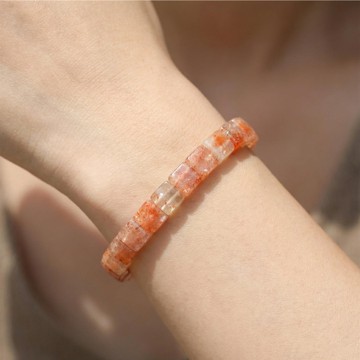
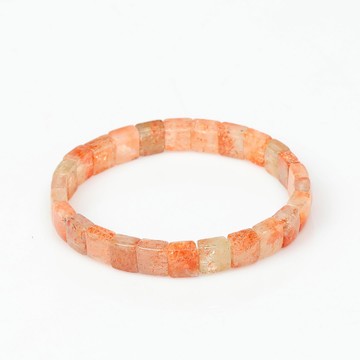
The 2nd chakra is called the sacral chakra and is generally associated with the area below the navel. This chakra, represented by the color orange, is thought to be linked to emotions, creativity, relationships, productivity, and enjoying life. A balanced 2nd chakra may support a person in experiencing their emotional flow more easily and expressing themselves creatively. Natural stones such as carnelian, moonstone, sunstone, and orange calcite are known to be used for the sacral chakra. The energetic effects of these stones may vary from person to person and are regarded mostly as symbolic supports.
What is the 3rd chakra?
The 3rd chakra is known as the solar plexus chakra and is associated with the upper abdomen. This chakra, symbolized by the color yellow, is believed to be linked to self-confidence, willpower, personal strength, determination, and motivation. When the solar plexus chakra is balanced, a person is thought to be able to feel braver, clearer, and more determined. Stones such as citrine, tiger's eye, yellow agate, and amber may be chosen for work with this chakra. Citrine in particular is regarded as associated with a sense of vitality and self-confidence, but these effects should be seen as beliefs assessed according to personal experience, not as definite results.
What are the 5th and 6th chakras?
The 5th chakra is known as the throat chakra, and the 6th chakra as the third eye chakra. The 5th chakra is symbolized by the color blue and is associated with communication, self-expression, speaking honestly, and making your inner voice heard. Stones such as lapis lazuli, aquamarine, and sodalite are known to be favored for this chakra. The 6th chakra is associated with the forehead area and represented by navy or indigo. It is thought to be linked to intuition, awareness, insight, and mental clarity. Stones such as amethyst, fluorite, and labradorite are regarded as usable in 6th chakra work.
What is the 9th chakra?
The 9 chakra system is one of the approaches that offers a broader understanding of energy in addition to the classic 7 chakra system. In this system, besides the 7 basic chakras, energy centers such as the earth star chakra and the soul star chakra are generally mentioned. The earth star chakra is thought to represent a person's connection to the world and a sense of rootedness, below the body. The soul star chakra is regarded as located above the head and associated with higher consciousness, spiritual guidance, and spiritual connection. This system is considered mostly within spiritual practices, energy balancing practices, and advanced awareness practices.
What are the benefits of chakra stones?
The benefits of chakra stones are discussed in terms of symbolism, energy, and personal awareness, not definite medical effects. Natural stones are thought to strengthen intention in chakra work, support focus during meditation, and perhaps help a person feel more balanced. For example, red jasper may be associated with the 1st chakra, carnelian with the 2nd, citrine with the 3rd, rose quartz with the 4th, lapis lazuli with the 5th, and amethyst with the 6th and 7th chakras. The effects of these stones may vary according to personal beliefs and experiences. For this reason, chakra stones should be seen not as a treatment but as supportive objects that accompany holistic living and awareness practices.