What is meditation? What does meditation mean? Meditation is a deep practice that has been used in different cultures for thousands of years to calm the mind and body, build focus, and find inner balance. Today, as stress and mental tension increase, meditation is becoming more and more popular. But meditation is not only a way to relax. It is also seen as a tool for deep inner exploration and spiritual growth.
Basic Principles of Meditation
Calming the Mind: Meditation involves moving from the normal state, where the mind is constantly in motion and complex thoughts arise, to a state of awareness. In this process, the mind quiets down and thoughts pause for a while.
Breath Focus: Many meditation techniques involve focusing on the breath. The rhythm and movement of the breath direct the mind's attention to awareness of the moment and increase inner peace.
Acceptance and Awareness: Thoughts and feelings that arise during meditation are accepted and observed with awareness. This lets the mind simply be aware, without judging, criticizing, or questioning.
Different Types of Meditation
Focused Attention (Concentrative) Meditation: In this type of meditation, attention is focused on an object or a mantra. For example, focusing on the rhythm of the breath or repeating a certain word.
Mindfulness (Open Monitoring) Meditation: In this type of meditation, the emphasis is on accepting and being aware of everything inside and outside the mind. The focus is on the passing nature of sensations and thoughts.
Transcendental Meditation: This technique is based on silently repeating a mantra. Repeating the mantra helps quiet the mind and reach deep inner peace.
Benefits of Meditation
Reduced Stress and Anxiety: By helping reduce stress hormones and mental tension, meditation may lower stress and anxiety levels.
Better Mental Focus and Concentration: Regular meditation practice may improve mental focus and concentration, which can support more productive work and life experiences.
Emotional Balance: Meditation is a strong tool for emotional balance. Accepting emotions and observing them with awareness may reduce emotional reactivity and increase inner peace.
Meditation is a deep practice that supports mental and physical well-being and provides inner balance. When practiced regularly, meditation can bring a deep transformation to people's lives and encourage a happier, more balanced, and more conscious way of life.
Meditation With Natural Stones: Keep Your Mind and Spirit in Balance
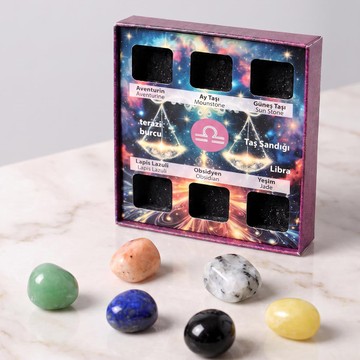
Meditation is a powerful practice that people have used for thousands of years to find mental and emotional balance. Natural stones, in turn, are striking tools that can strengthen a meditation practice by balancing energy and bringing calm and focus.
The Energy and Meaning of Natural Stones
Properties of Different Stones: Natural stones come in many types, each with its own energy and meaning. For example, amethyst is said to calm the mind, while quartz is said to bring clarity and focus. The energies of these stones may help support mental and emotional balance during meditation.
The Effect of Colors and Shapes: The colors and shapes of natural stones are said to play an important role in influencing emotional and mental balance during meditation. For example, the color blue is associated with a sense of calm and peace, while the energy of round shapes may ease the flow.
Using Natural Stones in Meditation Practice
How to Choose Them: When choosing a natural stone for meditation, focus on your personal needs and goals. It is important to pick the right stone depending on which energy you want to balance. For example, if you are looking for peace, you can choose stones such as quartz or amethyst.
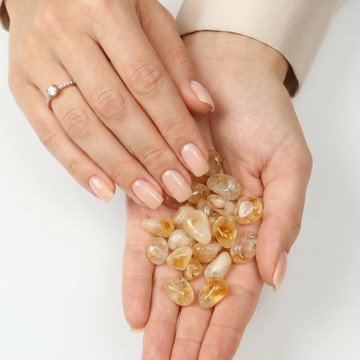
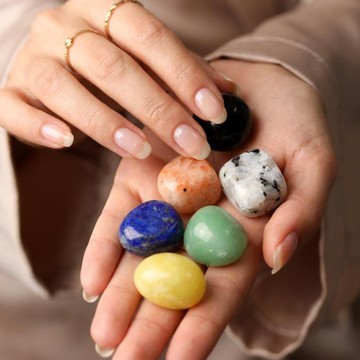
Placing the Stones: During meditation, you can place natural stones on various points of your body. These can be stones you hold in your hand, place in your palm, or arrange around your body. Placing the stones is said to increase the flow of energy and create a deeper meditation experience.
Breath and Focus: When meditating with stones, do not forget to focus on your breath. Deep, regular breathing calms the mind and deepens your meditation practice. By focusing on feeling the energy of the stones, you can build mental and emotional balance.
Benefits of Meditating With Natural Stones
Increased Mental Balance: Natural stones are believed to reduce mental tension and increase focus. This is said to give a deeper and more effective meditation experience.
Emotional Balance and Greater Peace: Working with natural stones during meditation is regarded by many as an effective way to find emotional balance and increase inner peace.
Improved Energy Flow: Natural stones are believed to help balance the flow of energy in the body. This is traditionally thought to support physical and spiritual well-being and create a general sense of wellness.
Meditation with natural stones is a powerful tool for finding mental and emotional balance, increasing inner peace, and supporting spiritual growth. Including natural stones in everyone's meditation practice may help them experience a deeper and more meaningful inner exploration.
Which Natural Stones Are Used for Meditation?
Natural stones used in meditation are believed to help balance energy and support your meditation experience. Here are some natural stones used during meditation and their reputed effects:
Amethyst (Purple Stone): Is believed to help reduce stress and calm the mind. It is said to encourage clear thinking during meditation.
Clear Quartz: Is believed to help cleanse energy and increase focus. It is said to bring mental clarity and inner peace.
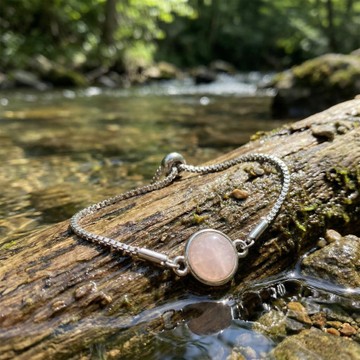
Rose Quartz: Is said to increase the energies of love, compassion, and emotional well-being. It is traditionally associated with balancing the heart chakra.
Selenite: Is believed to help clear negative energies and offer spiritual protection. It is said to calm the mind and support the meditation process.
Lapis Lazuli: Is believed to help strengthen communication and increase insight. It is said to encourage spiritual awakening.
Turquoise-Colored Stone: Is believed to help bring balance and increase inner peace. It is said to reduce stress and encourage clear thinking.
When using natural stones during meditation, try to feel the stone's energy and focus your mind. You can support your meditation practice by holding the stone in your hand or placing it on certain areas of your body. Because each stone has its own energy, it is important to choose the one that suits you best.
How to Meditate With Natural Stones?
Meditation is a powerful tool for finding inner peace and mental balance. Natural stones are an effective helper for deepening this meditation practice and balancing energy. Meditating with natural stones is a strong way to calm your mind, increase inner peace, and support spiritual growth.
Step 1: Choose the Right Stone
When choosing a natural stone for meditation, focus on your personal preferences and needs. Stones are traditionally associated with different energies and qualities. For example, amethyst is said to calm the mind, while quartz is thought to bring clarity and focus. To find the stone that suits you best, explore the traditional meanings of different stones.
Step 2: Prepare a Comfortable Space
Create a quiet, comfortable and calm space for meditation. Move away from noise, soften the light and find a comfortable place to sit. If possible, meditating outdoors in contact with nature can also be very beneficial.
Step 3: Take Your Meditation Position
Get into a comfortable position. If you prefer to sit, sit with a straight back and settle your feet on the floor. If you prefer to lie down, lie on your back and let your body relax. Decide whether to hold the natural stone or place it on specific points of your body.
Step 4: Focus on Your Breath
Close your eyes and take a deep breath. Breathe in and out calmly and steadily. Focus your attention on your breathing and notice your body rising and falling with each breath. With every breath, relax your body and let your mind grow quiet.
Step 5: Feel the Energy of the Stone
Take your natural stone in your hand or place it on specific points of your body. Notice the stone's energy and the sensation at every point where it touches your body. Pay attention to the sense of calm, peace and balance you feel.
Step 6: Acknowledge Your Thoughts and Let Them Go
Different thoughts may arise in your mind during meditation. Acknowledge them and let them go, without dwelling on them, criticizing them or judging them. Calm your mind by bringing your attention back to your breath and your stone.
Step 7: Be Present and Give Thanks
Stay aware of the moment throughout your meditation practice. Notice the sensations in your body, the sounds around you and the energy of the stone. Appreciate the value of this moment and the peace and stillness you are experiencing.
Step 8: Return Slowly
When you finish your practice, slowly open your eyes and take a deep breath. Gently stretch your body and stay aware of where you are. Carefully remove the natural stone from your hand or body, and carry the peace and balance of meditation into your daily life.
Meditating with natural stones can be a powerful tool for finding mental and emotional balance. Meditating regularly every day with natural stones from Taş Sandığı may help increase your inner peace and support your spiritual growth.
The benefits of natural stones have not been scientifically proven. For this reason, do not use stones in place of medical treatment, and consult your doctor about any health concern.