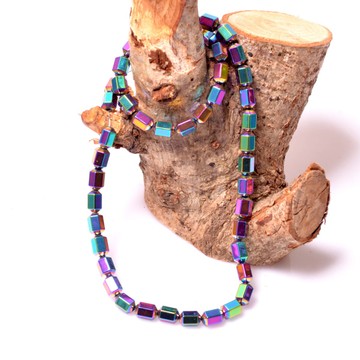
How Do Stones Get Their Colors?
Why is every stone a different color? The colors of natural stones come from a range of complex geological processes and the interaction of several factors. Color is usually determined by a stone's mineral composition, microstructure, chemical properties, outside influences and the way it formed.
The color of a natural stone depends on the types of minerals it contains. Each mineral has its own chemical composition, crystal structure and optical properties. For example, calcite is usually white or transparent, quartz can be clear or opaque, and feldspars are usually white, pink, yellow or gray. This variety of minerals gives stones a wide range of colors. A stone's color can also change with the amount of each mineral in it. Granite, for instance, contains feldspar, quartz and mica. The proportions of these minerals determine the color of the granite. A granite with more feldspar can be lighter in color. Some minerals take on certain colors because of the chemical elements in them or their oxidation state. For example, minerals that contain iron can turn reddish, brown or yellowish when they oxidize. This color change can come from changes in the mineral's internal chemical structure.
The crystal structure of natural stones can reflect or absorb light in different ways, which affects the colors we see. Depending on their crystal structure, some stones scatter or absorb more light. This can change a stone's color and give it different tones. The way a stone formed and its surroundings can also shape its color. Sedimentary rocks, for example, usually form as various minerals build up, and the density and type of those minerals affect the stone's color. During metamorphism, high temperature and pressure cause minerals to transform, which can also change the color of stones.
Stone Colors
Stones taken from deep in the earth are known for their striking and varied color palettes. These colors change depending on the stone's mineral composition, crystal structure, the way it formed and environmental effects.
White and Transparent: Stones such as calcite, quartz and limestone are usually white or transparent. They are known for the colorlessness or transparency that comes from the minerals they contain. Pure quartz, for example, is colorless, but it can be tinted by various additives or trace elements.
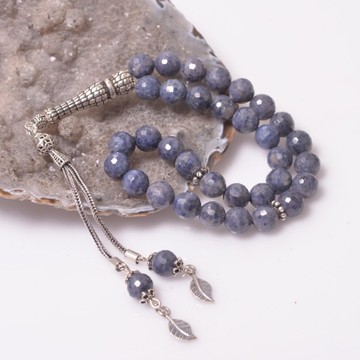
Blue and Turquoise: Turquoise-colored stones, feldspar and lapis lazuli can appear in blue and turquoise tones. These colors usually come from the mineral content. The blue of lapis lazuli, for example, comes from the mineral lazurite.
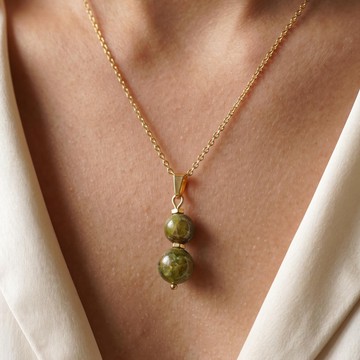
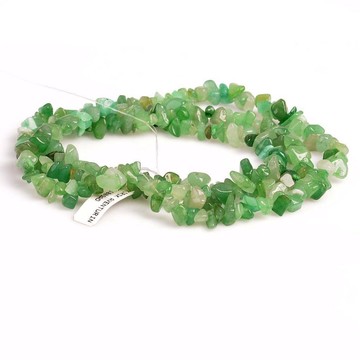
Green: Green stones can contain many different minerals and compositions. Green quartz, amethyst or agate, for example, can get their color from various minerals. Green is often linked to the presence of iron oxides.
Red and Pink: Stones in red and pink tones usually get their color from the iron oxides they contain. Red jasper and rose quartz, for example, owe these colors to iron minerals.
Yellow and Gold: Stones in golden tones usually get their color from the iron, sulfur or copper minerals they contain. The golden yellow of pyrite, for example, comes from its iron sulfide content.
Brown: Many brown stones get their color from the iron oxides they contain. Brown quartz or jasper, for example, can take on a brown color through the effect of iron oxides.
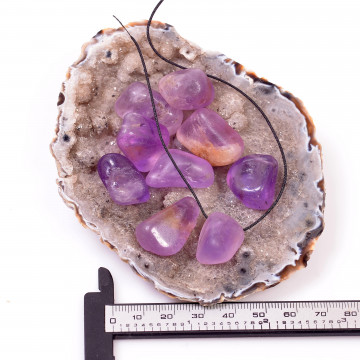
Purple and Lilac: Purple or lilac stones usually get their color from the manganese or lithium minerals they contain. The purple of amethyst, for example, comes from the effect of iron or manganese compounds.
The colors of stones are the complex result of natural processes and environmental effects. They reflect the beauty and variety that people have valued for centuries in jewelry making, decoration and spiritual practice.
Why Is Every Stone a Different Color?
There are a few main reasons why every stone has a different color. They are tied to geological, chemical and physical properties.
Chemical Composition: The color of a stone is usually determined by the chemical elements in it. Some elements absorb or reflect light at different wavelengths, and this sets the stone's color. Iron oxides, for example, give stones red, yellow or brown colors, while copper oxides can produce green or blue.
Mineral Structure: The crystal structure of the minerals in a stone also plays an important role in color. Some minerals refract or absorb light in different ways and give off certain colors. This can lead to different shades in the same stone, depending on its crystal structure.
Natural Formation Process: The way a stone forms also affects its color. Air bubbles or mineral flaws that form under certain conditions, for example, can make light reflect or refract in different ways inside the stone, which can cause color changes.
Solid Solution: Color differences in some stones can come from a phenomenon called solid solution. It happens when other elements settle irregularly inside the crystal structure. These extra elements change the stone's color and create different tones.
Conditions in the Earth: The environmental conditions where a stone forms affect its color. Factors such as temperature, pressure, moisture and chemical interactions can all influence the colors of stones.
Underground Minerals: The colors of some stones are determined by the underground minerals they contain. These minerals interact during the formation process and change or enrich the stone's color.
When these factors come together, the colors of natural stones can be extremely varied, and every stone has its own story. That is why natural stones are not only visually appealing but also fascinating and diverse from a geological and chemical point of view.
Why Stones Differ in Size and Shape
The size and shape of natural stones are shaped by various geological processes and environmental factors. The complex interaction of these factors leads to stones forming in different sizes and shapes.
Natural stones usually form through geological processes such as magma cooling, sediment buildup or metamorphism. During these processes, rocks can be exposed to different temperatures, pressures and chemical conditions. These conditions affect mineral crystallization, the buildup of sedimentary layers and metamorphic transformations, all of which influence a stone's size and shape. The size and shape of natural stones can also depend on the type and density of the minerals they contain. Some minerals form large crystals, while others form smaller, finer ones. This can determine the overall size and shape of the stone. Natural stones are also exposed to erosion and wear over time. Environmental factors such as wind, water, ice and chemical interactions can shape and wear down a stone's surface, leaving it with different shapes and sizes. These processes can flatten, break or round the stones.
Tectonic movements in the earth's crust can break rocks and cause layers to fold and rise. These movements affect the shape and size of rocks and can encourage the formation of stones with different structural features. Natural fractures and cracks in rocks can split stones into particular shapes and break them into pieces of different sizes. These cracks are usually caused by geological processes or outside forces, and they affect the final shape of the stones.
The size and shape of natural stones can vary with the features and conditions of the geological region they come from. Each region's different geological history affects how its stones form and take shape.
The size and shape of natural stones result from the complex interaction of the factors above. Geological processes, environmental effects and the internal properties of rocks lead natural stones to form in a variety of sizes and shapes, which adds to the variety and richness of the natural world.