How to Use Prayer Tasbih?
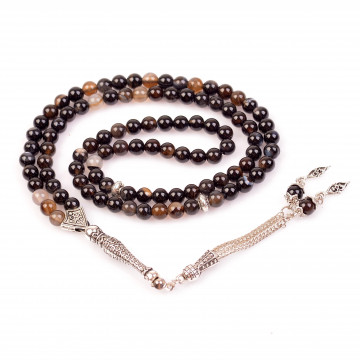
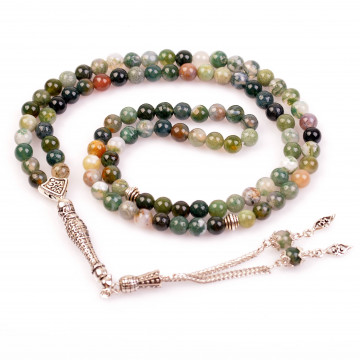
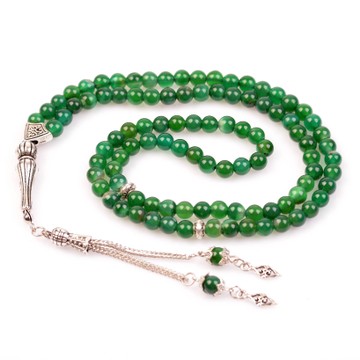
Using prayer tasbih is a regular dhikr (remembrance) practice that begins right after the prayer and is thought to help a person calm down both mentally and spiritually. When the prayer ends, the person stays where they are for a while without rushing, says "Astaghfirullah" in sincere repentance, and then tries to collect the heart with a short supplication. This preparation stage is considered important for reducing distraction and focusing fully on the dhikr. Next, the prayer tasbih is taken in hand and the recitation begins. In the most common practice, Subhanallah is said 33 times, Alhamdulillah 33 times, and Allahu Akbar 34 times, and each repetition is counted bead by bead in a steady, controlled rhythm. This regular counting is thought to settle the mind and help the dhikr be done more consciously. A quiet, calm setting with few distractions is usually preferred when using prayer tasbih, because such a setting is believed to deepen spiritual focus. The tasbih itself can be chosen from different materials such as wood, glass, metal, or natural stone, and some people find that natural stone tasbih gives a more balanced feeling and makes it easier to focus. The practice is seen not only as finishing the counts, but also as a way to carry on the spiritual atmosphere that follows worship and to strengthen a sense of peace and balance within.
How to Use Prayer Beads?
How do you use prayer beads? Using prayer beads is a form of worship in Islamic culture, performed to remember God through dhikr. Prayer beads usually consist of a cord with 33 or 99 beads, and each bead is used to recite one of God's names or a particular dhikr. Using prayer beads is said to bring spiritual relief and is regarded as an act of worship that increases closeness to God.
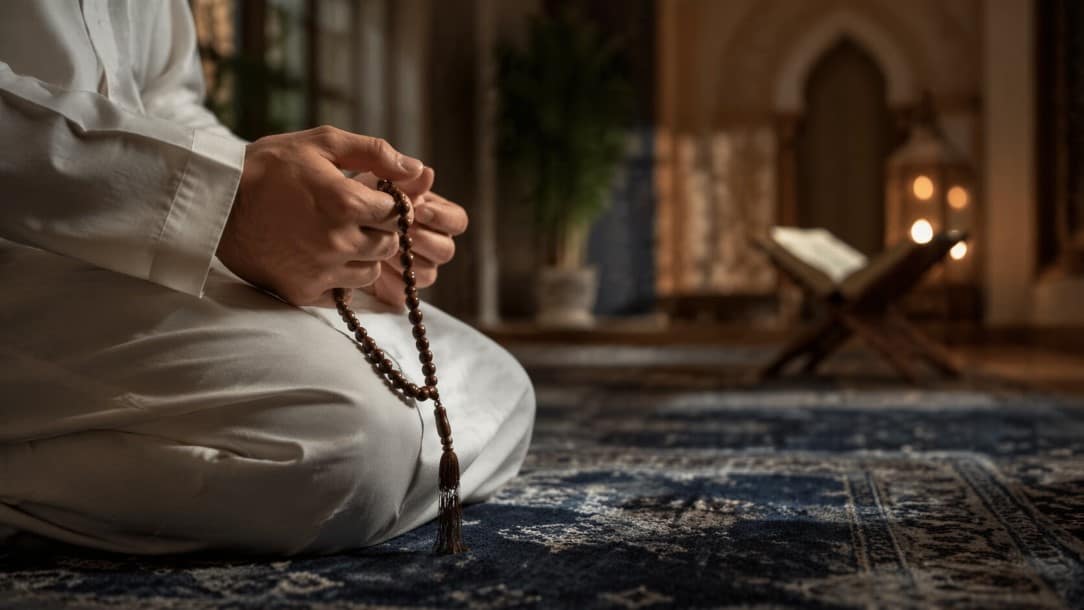
When starting, the first step is to make an intention. The intention means that the dhikr will be done with the heart turned toward God. Then, at the first bead, "Bismillahirrahmanirrahim" is said and the dhikr begins. The prayer beads are held in the right hand, and the fingers move from one bead to the next as the dhikr is recited. Each bead stands for a dhikr or a phrase of prayer. For example, words such as "Subhanallah" (God is free of all imperfection), "Alhamdulillah" (all praise belongs to God), or "Allahu Akbar" (God is the greatest) are often recited.
The most important point while using prayer beads is to focus on the meaning and spirit of the dhikr. Saying the words with the tongue alone is not enough; the heart should turn to God as well. The dhikr is not only a ritual, but also a prayer and a means of spiritual cleansing. As the dhikr continues, each word and each bead is believed to help a person find inner peace and draw closer to God. It is also said that using prayer beads brings patience and order. Dhikr done in this way is thought to help a person move away from daily stress and troubles. Using prayer beads is also seen as a way to set a person apart from worldly affairs and bring them to a spiritual stillness.
How to Use Prayer Beads After Prayer?
How to use prayer beads after prayer? Right after the prayer ends, the person stays calmly where they are for a while and moves into the tasbih with a short repentance and supplication, as a way of collecting themselves inwardly. This stage is regarded as preparation for clearing the mind of daily thoughts and focusing fully on the dhikr. Then the tasbih is taken in hand and the dhikr is repeated in a set order. Most commonly, Subhanallah, Alhamdulillah, and Allahu Akbar are said a set number of times, and each repetition is counted bead by bead at a controlled pace. This counting order helps the person gather their attention and do the dhikr consciously. Throughout, the aim is not only to finish the counts, but also to keep the spiritual state that follows worship, calm the heart, and reach a mental stillness. For this reason, a quiet, distraction-free, and if possible peaceful setting is usually chosen, since such a setting is thought to increase focus and help the tasbih be used more consciously. The material used is a matter of personal preference; wooden, glass, or natural stone tasbih can be chosen, and some people find that natural stone tasbih gives a more balanced feeling and therefore makes it easier to focus during dhikr.
How to Use Prayer Beads After the Prayer?
How to use prayer beads after the prayer? The practice begins right after the prayer, when the person sits calmly where they are and collects their mind. A short repentance and a sincere supplication are meant to settle the heart, and then the dhikr begins with the agarwood prayer beads that some people prefer. Dhikr such as Subhanallah, Alhamdulillah, and Allahu Akbar is repeated in a set order, and the repetitions are counted bead by bead in a steady, controlled rhythm. This regular counting is thought to help a person gather their attention and do the dhikr more consciously. The aim is not only to complete certain numbers, but also to keep the spiritual feeling that follows worship, relax the mind, and build an inner balance by stepping away from daily thoughts. For this reason, a quiet, calm, and distraction-free setting is preferred, so the person can focus entirely on the dhikr. The prayer beads can vary by personal preference and may be chosen from materials such as wood, glass, or natural stone, and some people find that natural stone prayer beads give a more peaceful and balanced feeling, which is thought to make focusing easier.
How to Use Prayer Beads After Praying?
How to use prayer beads after praying? The practice begins when the person, having finished the worship, sits calmly where they are and settles into an inner balance. First comes a short repentance and then a sincere supplication, meant to soften the heart and move the mind away from daily thoughts. Then the prayer beads are taken in hand and the dhikr begins, with Subhanallah, Alhamdulillah, and Allahu Akbar repeated in a set order. Counting the repetitions bead by bead creates a rhythmic flow, and this order is thought to help the person gather their attention, reduce mental scatter, and do the dhikr more consciously. What matters is not only completing the counts, but also keeping the spiritual atmosphere after worship and carrying that feeling through the rest of the day. For this reason, a quiet, calm, and distraction-free setting is preferred, and the person focuses fully on the dhikr. The prayer beads depend on personal preference; materials such as wood, glass, or natural stone can be used, and some people find that natural stone prayer beads give a more balanced feeling, which is thought to make focusing easier.
How to Use Prayer Beads Once the Prayer Is Over?
How to use prayer beads once the prayer is over? After the prayer ends, the practice begins with the person sitting calmly where they are without hurrying. This short pause helps the mind adjust to the spiritual atmosphere after worship. A sincere repentance and supplication follow to settle the heart, and then the prayer beads are taken in hand and the dhikr begins. Dhikr such as Subhanallah, Alhamdulillah, and Allahu Akbar is repeated in a set order, and each repetition is counted bead by bead, creating a rhythmic flow. This regular counting is thought to help the person gather their attention, reduce mental scatter, and do the dhikr more consciously. The aim is not only to complete certain numbers, but also to keep the spiritual feeling that follows worship, increase inner peace, and carry that calm through the rest of the day. For this reason, a quiet, distraction-free setting is preferred, and the person tries to focus fully on the dhikr. The prayer beads can vary by personal preference; wood, glass, or natural stone can be chosen, and some people find that natural stone prayer beads give a more balanced feeling, which is thought to make focusing easier.