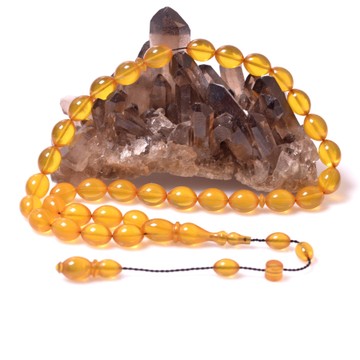
What Is Pressed Amber?
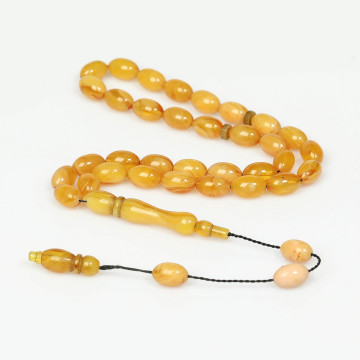
Pressed amber prayer beads are widely searched in the world of natural stones and stand out for their appearance. This material is thought to differ from natural amber in how it forms: it is believed to be made by putting various resin derivatives and some binding components through special processes. During production, the raw mixture is said to be compacted under high heat and pressure, which gives it a form that is both durable and easy to work. Over time, small changes in the surface can deepen or darken the color tones, and prayer bead users value this as an aesthetic feature. Friction and warmth from the hand are said to give the material a shinier look, and this is regarded as a characteristic trait of pressed amber. Unlike natural amber, which is a fossilized organic substance, it is a composite shaped by human hands. So even though the amber stone look is often compared to other natural stones, it is classed in a different category structurally. Color transitions, quality of craftsmanship and changes with use are said to give this material a special place in prayer bead culture.
Related content: How can you tell amber prayer beads?
Pressed Amber Models
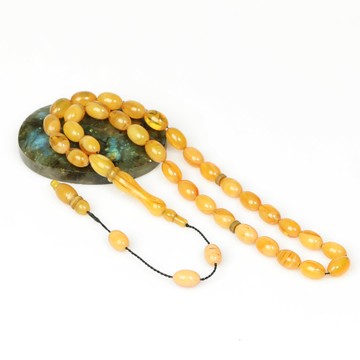
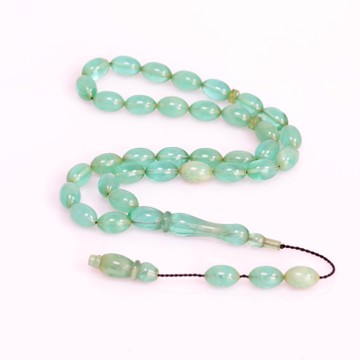
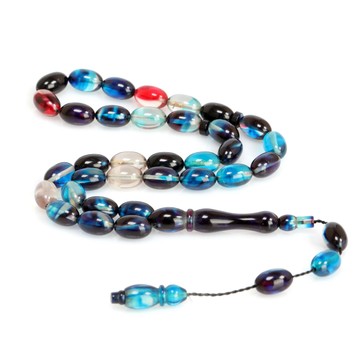
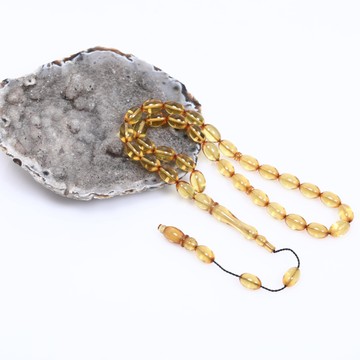
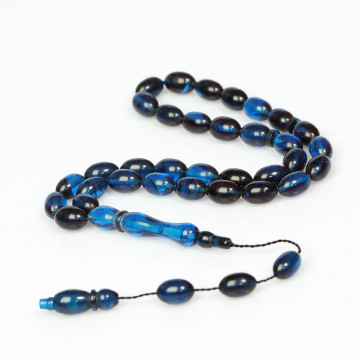
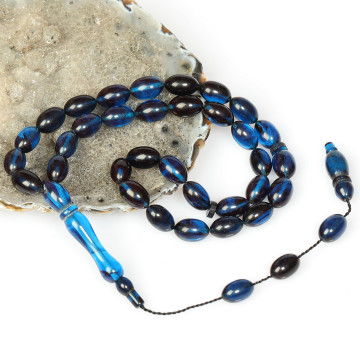
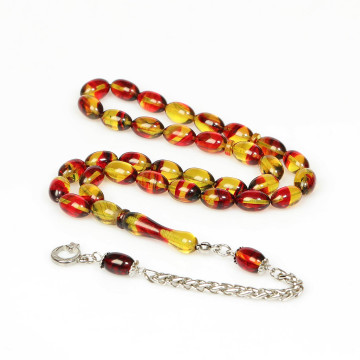
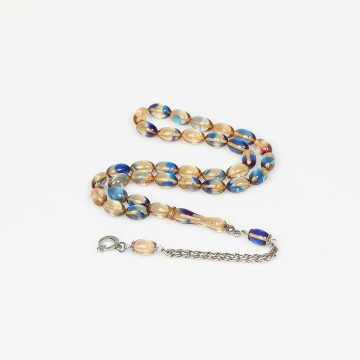
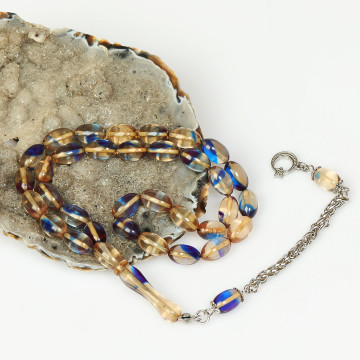
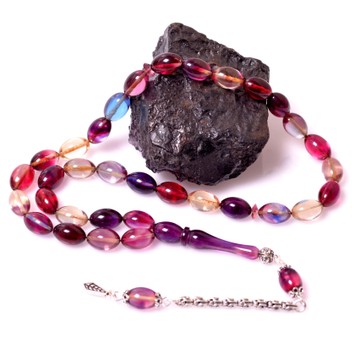
Pressed amber models are divided into different types by production technique, color structure and shape. Solid-colored, moire, veined and semi-translucent options are among the best known. Some models favor darker tones, while other designs feature light colors with gradual transitions. These models are known to be used for both everyday wear and collecting in the prayer bead world. The composition of the material and the working technique used in production are considered factors that directly shape the overall look of a model.
Pressed Amber Prices
Pressed amber prices vary depending on the quality of the craftsmanship, the design details and the composition of the material. Models with a lot of handwork are considered more special, so they fall into different value ranges. Designs with rare color transitions also draw more attention. There can be clear differences between collector pieces and models made for everyday use. In general, pricing is shaped by appearance and craftsmanship details.
What Is Ottoman Pressed Amber?
Ottoman pressed amber refers to a special design approach associated with traditional prayer bead culture. This style is thought to draw inspiration from the aesthetic lines of the Ottoman period. Darker color tones, a classic form and traditional craftsmanship details are considered its defining traits. These models carry collector value, are said to reflect a historical atmosphere and attract particular interest from prayer bead enthusiasts.
What Is Rod Pressed Amber?
Rod pressed amber is regarded as a type made by shaping the raw material into a rod during production. This method is thought to give a more even color distribution and a more regular texture. The rod is later cut and worked into prayer beads. This production technique is considered to give more balanced results, especially in appearance.
What Is Fire Pressed Amber?
Fire pressed amber is known as a type in which the heat treatment is more pronounced, so it can have brighter tones. Processing at high temperatures is thought to deepen the color, and different tone transitions can appear over time with use. This trait is one of the reasons it is preferred for its visual appeal.
What Is Beirut Pressed Amber?
Beirut pressed amber is considered a type that stands out through its commercial name. The name refers to the style and color sense used in the Middle Eastern market. It is known for its warmer tones and striking color transitions. Collectors regard it as a distinct style.
What Is Original Pressed Amber?
Original pressed amber refers to products of high production quality that are prepared to standard. Here, the word "original" does not mean natural formation. It refers to the production technique and quality of craftsmanship. Its ability to change color over time and the particular feel it leaves in the hand are considered its defining traits.
How Is Pressed Amber Made?
The process of making pressed amber starts by combining different resin derivatives and some binding materials in set proportions. This mixture is thought to be compressed under high heat and pressure into a homogeneous structure. The resulting raw form is then made into rods or blocks. After that, cutting, turning and sanding turn it into prayer beads or accessory forms. Because the process is controlled, each piece may have its own texture.
What Is Oven-Fired Pressed Amber?
Oven-fired pressed amber is considered a type in which heat treatment is used more intensively during production. This process is thought to make the material harder and more durable. It is also known to give the color a deeper, more balanced look. Oven firing helps the material keep a stable structure, especially with long-term use. For this reason, it is considered a preferred form for both appearance and durability.
What Is the Raw Material of Pressed Amber?
The raw material of pressed amber consists of resin-based components combined with various additives. This mixture is regarded as being processed with special methods into a structure that can be shaped. The composition of the raw material can vary with the production technique. The main goal, however, is a material that is both durable and workable for appearance. This structure is also known for lasting a long time in prayer bead production.
What Are Pressed Amber Prayer Beads?
Pressed amber prayer beads are prayer beads made from this special material. Their most striking feature is that the color tones can change as the beads are used. Constant contact with the hand is thought to create a natural shine on the surface, and the color is said to darken over time. Prayer bead users value this as an aesthetic quality. The workable structure of the material also allows models to be made for different designs.
How Can You Tell Pressed Amber?
Telling pressed amber apart is considered to require observing some physical traits. These pieces give a slight feeling of warmth in the hand and may change color over time. Compared with natural amber, they are thought to have a more homogeneous texture. A more controlled shine under light is also among the distinguishing traits. Changes in tone on the surface as use increases are also seen as an important sign.
What Are the Properties of Pressed Amber?
One of the most notable properties of pressed amber is its capacity to change color. Differences in tone are said to appear over the course of use because of friction from the hand. A durable structure and easy workability are also important properties. In terms of appearance, it offers a shiny, smooth surface. The combination of these traits is one of the main reasons it is preferred for making prayer beads.
What Is Pressed Amber and How Can You Tell It?
Pressed amber is recognized through how it is used and how it looks. The ability to change color over time and the warm feeling in the hand during use are regarded as the clearest signs. Compared with natural amber, it is thought to have a more regular internal structure. The homogeneous look that comes from production is an important detail showing that this material is a processed form.
What Is Oven-Baked Pressed Amber?
Oven-baked pressed amber is a type whose durability is increased by additional heat treatment during production. This process is thought to make the internal structure of the material more stable. The color tones are also regarded as gaining a deeper, more balanced character. Oven baking reduces deformation, especially with long-term use.
What Is Moire Pressed Amber?
Moire pressed amber is known as a type with wavy, gradient color patterns on its surface. These patterns are thought to come from differences in density within the material during production. The moire structure gives a more eye-catching look in terms of appearance. Such patterns in prayer beads are regarded as carrying collector value.
What Is New Pressed Amber?
New pressed amber refers to products that have not yet gone through the process of use and color change. These pieces usually have lighter tones and gain color over time with use in the hand. As use continues, they are thought to take on a darker, more distinct character. This is why there is a visible difference between new pieces and older, used ones.
Frequently Asked Questions About Pressed Amber
Is pressed amber a natural stone?
There is no clear, settled definition of whether pressed amber is a natural stone. In general, it is thought not to be a fossilized material like natural amber and to be made instead by processing different resin derivatives. For this reason, it is regarded as a composite shaped by human hands rather than a natural stone. Even so, it is known to resemble natural stones in appearance.
Does pressed amber change color over time?
Pressed amber is known to change color depending on how long it is used. Friction and warmth from the hand are thought to cause differences in tone on the surface. Some people regard this change as the piece gaining character and value it as an aesthetic feature.
What is the difference between pressed amber and natural amber?
The main difference between pressed amber and natural amber comes from how they form. Natural amber is regarded as resin that fossilized over millions of years, while pressed amber is known to be a material made and processed by people. There are similarities in appearance, but the internal structure and formation are entirely different.
Why are pressed amber prayer beads preferred?
Appearance, the feel in the hand and the ability to change color over time all play a part in why pressed amber prayer beads are preferred. The surface is thought to become shinier during use and take on different tones. Prayer bead users find these traits appealing.
How can you tell pressed amber?
Some physical traits are considered when identifying pressed amber. A slight feeling of warmth in the hand and a color change over time are regarded as important signs. The internal structure is thought to be more homogeneous and to look more regular than natural amber.
Why does pressed amber change color?
The color change in pressed amber is thought to come from tiny changes in the surface structure caused by warmth and friction from the hand during use. Over time, this process can lead the material to reach darker, richer tones. This trait makes the piece seem to age naturally.
Why do pressed amber prayer beads warm up in the hand?
The warm feeling pressed amber gives in the hand is linked to the structural properties of the material. A light warmth is known to build up on the surface from friction, and it can be felt. This is regarded as a natural part of the experience of using it.
How can you tell the quality of pressed amber?
Craftsmanship, color transitions and surface smoothness are considered important when judging the quality of pressed amber. A more balanced color distribution and well-finished surfaces are generally regarded as higher quality. Balanced color change during use is also seen as a sign of quality.
Why is pressed amber made in different colors?
Pressed amber is made in different colors to offer aesthetic variety and appeal to different tastes. The mixture and processing techniques used in production can affect the color tones. That is why many models appear in light, dark or gradient colors.
Does pressed amber have collector value?
Some pressed amber models with special craftsmanship and older production are thought to carry collector value. Pieces that have gained color over time and were skillfully worked are regarded as more valuable. This depends entirely on how people perceive aesthetics and rarity.